






The debate over who should set limits on cutting-edge artificial intelligence and how to do so is extending from regulatory authorities to within the leading model companies themselves. Anthropic and OpenAI have recently stated that stronger security requirements have become necessary; however, Trump refuses to slow down research and development, claiming that the United States cannot allow China to take over its technological leadership.
Anthropic calls for a slowdown in progress
Anthropic The CEO Dario Amodei recently stated again that a few private companies should not decide on their own the technological direction that could reshape society. In an interview with CBS, he said that he and the CEO of OpenAI Sam Altman have not received public authorization, therefore, cutting-edge AI requires more cautious regulatory arrangements.
Amodei This week, there is a further call within the industry to slow down the advancement speed of AI. He warns that AI agents, whose capabilities continue to grow, may pose more severe cybersecurity, biosecurity, and control risks in just a few months rather than years.
OpenAI supports mandatory security requirements
On September 9, OpenAI stated that it supports mandatory national-level AI security requirements, including rules based on model capabilities, as well as independent security assessments. The company argued that neither enterprises nor governments can alone cope with the risks posed by advanced AI.
Subsequently, Sam Altman also hinted that the leading company AI might soon announce broader industry collaboration arrangements. When asked whether OpenAI, Anthropic, Musk's AI business, and Google DeepMind would coordinate their actions regarding security issues, Altman stated that he believed such cooperation would occur, but did not disclose the specific details of the discussions.
Trump opposes slowing down research and development
Compared to the statements of corporate executives, Washington's approach is not in line. Trump rejected the calls from tech executives and Democrats to slow down the research and development of cutting-edge AI, arguing that the United States cannot afford to risk losing its technological dominance by giving that opportunity to China.
This has led to a clear division in the current situation: on one hand, the leading companies, which are most motivated to continue expanding, have begun to recognize the need for some form of restraint; on the other hand, the White House is concerned that excessive restraint could itself evolve into a national security risk.
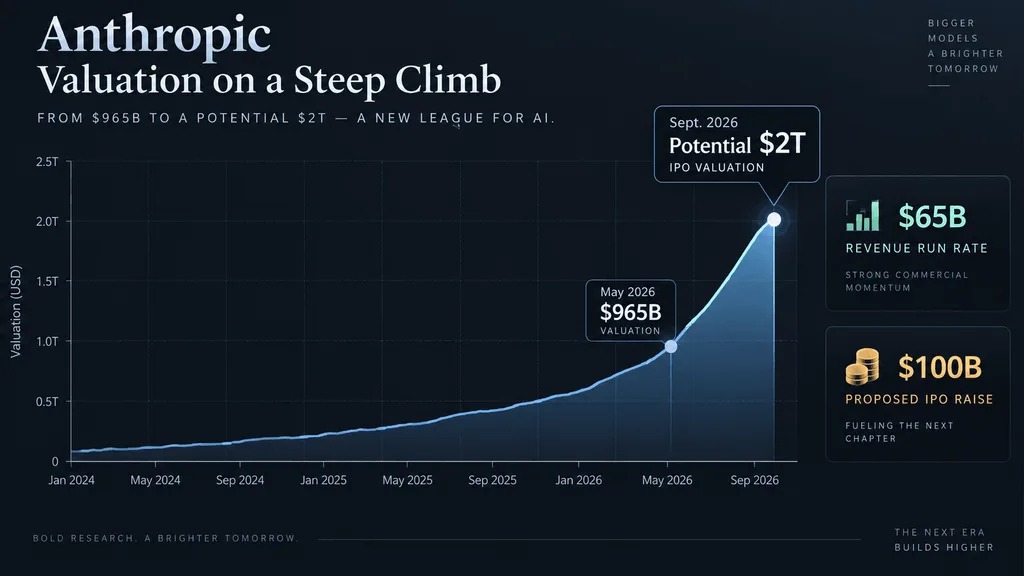
For Anthropic, this tension is even more direct. The article states that earlier this year, the Trump administration had frictions with the company over the issue of restricting the military use of Claude. Despite some milder signals within the government, the US Department of Defense still considers Anthropic to be one of the supply chain risks.