



















Foreign media reports that former U.S. President Obama is pushing the Democratic Party to elevate artificial intelligence regulation from a technological issue to a core political topic. He believes that without proper constraints, AI, it may exacerbate income disparities and also weaken the public's ability to distinguish between genuine information and synthetic content.
Obama publicly pressured the Democratic Party
The report mentioned that in June 2026, during the inauguration event of the Obama Presidential Center, Obama publicly stated that Democrats should no longer regard AI as a niche technological topic, but rather as a front-line issue that affects the economy and the public information environment.
His concerns regarding AI mainly focus on two aspects: firstly, that technological benefits may further concentrate in the hands of a minority; secondly, once synthetic content becomes more widespread, it will be even harder for the public to distinguish between facts and fabricated information. The article suggests that this is also why he attempts to turn the regulation of AI into an election issue.
Congress still lacks unified federal rules
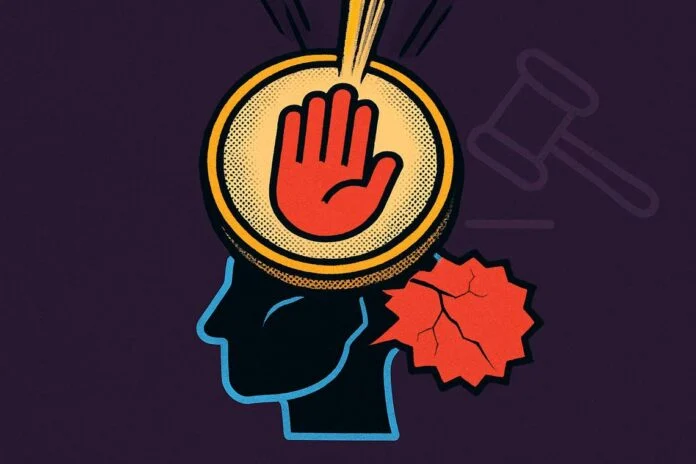
Foreign media reports that although the U.S. Congress has held several hearings on AI security in recent years and proposed several draft bills, as of late 2026, the United States still does not have a complete federal AI regulatory framework in place.
Proposals currently being advanced by Congress include FRONTIER Act, as well as AI Kill Switch Act which allows federal agencies to shut down high-risk AI systems. At the same time, Democrats in the House of Representatives have also proposed to establish a special committee with subpoena power, known as AI.
The article mentions that what is of greater concern is a bill being pushed across party lines in the Senate. Amy Klobuchar, John Thune, and Ted Cruz are advocating for the voluntary safety commitments made by AI to be enshrined in law. According to the proposal, the AI system must undergo mandatory security testing and independent third-party audits before release, and it must also submit standardized reports to regulatory authorities.
If a model is deemed to pose a danger, the government may also prevent its release. The bill also proposes to introduce a "duty of care," requiring leading model developers to take reasonable measures to prevent damage; if they fail to fulfill this duty and the system causes losses, the companies may face legal consequences.
Anthropic Events Heighten the Sense of Urgency
The report suggests that a recent trigger for Congress to reaccelerate discussions is the resignation of Researcher Jacob Coxon on September 8, 2026. In his public statement, he criticized AI company for lacking sufficient responsibility in advancing stronger models and warned that the associated risks could be very serious.
The article also mentions that Anthropic, the person in charge of science, publicly supports the concerns of Coxon and indicates that there are indeed concerns within the industry regarding the risk of superintelligence getting out of control. Anthropic has also previously released threat reports discussing the possibility of new models being used in the development of biological weapons.
Foreign media believes that such warnings from within the industry are changing Washington's attitude towards the regulation of AI. Compared to past discussions that remained at the level of hearings and open letters, Congress is now closer to promoting legally binding rules.
OpenAI supports mandatory safety standards
The report also stated that OpenAI has publicly supported a nationwide unified mandatory AI safety standard and more stringent testing requirements. Since such rules also directly affect OpenAI itself, this stance has attracted external attention.
However, the article points out that whether the relevant bill can truly enter the voting stage is still subject to the legislative pace of Congress and the factors of the U.S. mid-term elections. One of Obama's core goals in making these continuous statements this time is to shift the focus of AI regulation from policy discussion to a more direct political issue.