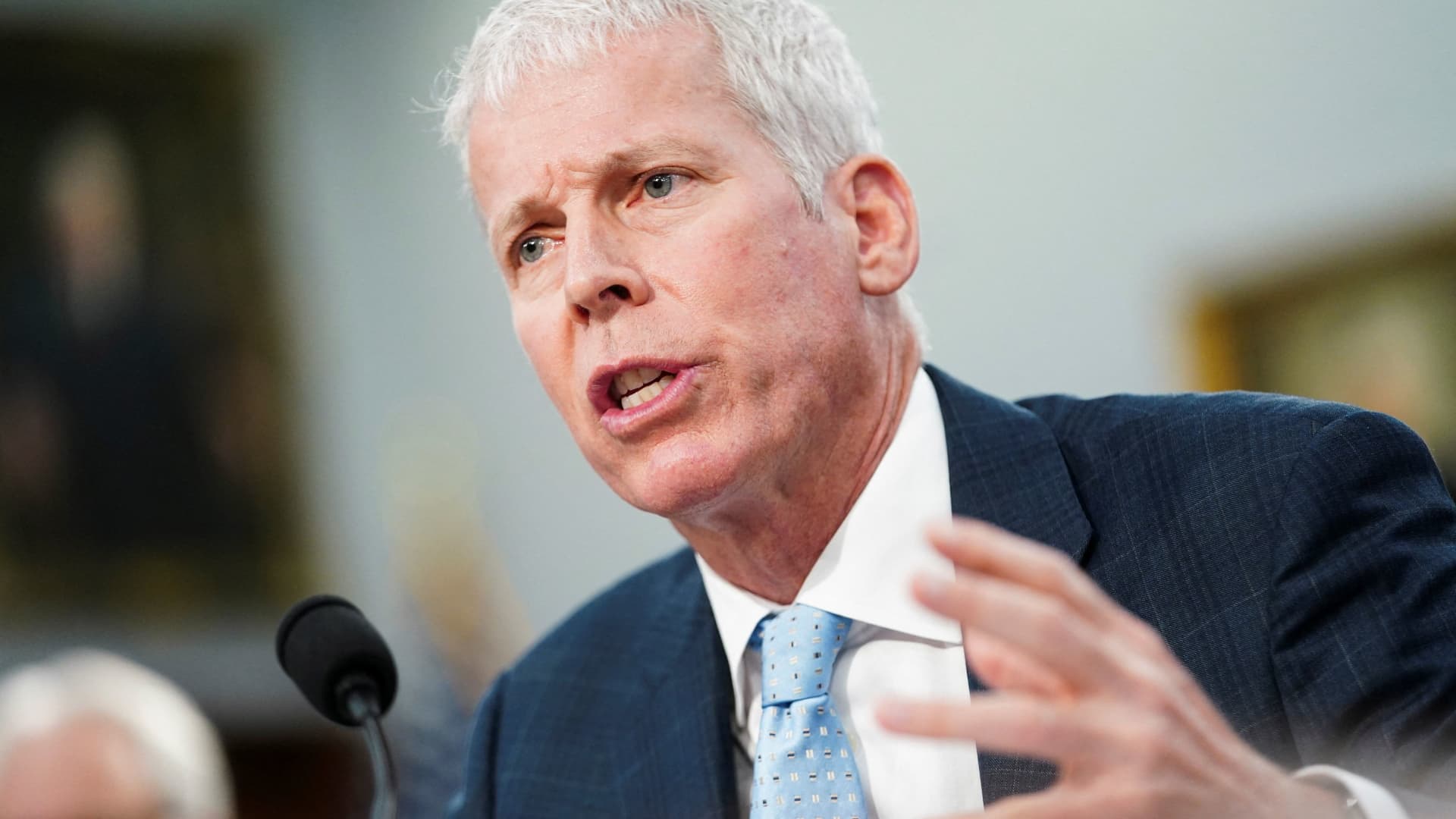


Amazon reveals that Mandiant, the founder and former CEO of a cybersecurity company, has joined the company's board of directors. This appointment comes at a time when the company is facing new types of cybersecurity threats brought about by AI, and it also reflects that large technology companies are increasingly incorporating security issues into their core decision-making processes.
Once sold for $5.4 billion, Mandiant
Mandia founded Mandiant in 2004 and sold the company to Google for $5.4 billion in 2022. He left Google in 2024 and then founded a new company, Armadin, last year, which primarily uses AI to identify network vulnerabilities.
In addition to entrepreneurship, Mandia is also a co-founder and general partner of the venture capital firm Ballistic Ventures, continuously investing in cybersecurity startups. Amazon stated in a blog post that he has been involved in addressing cyber threats for a long time in both the public and private sectors.
AI Increases Corporate Security Pressures
The background of this personnel arrangement is that generative AI and autonomous proxy tools are changing the pace of cyberattacks and defenses. As enterprises deploy AI more widely, security teams are facing new risks, including issues such as vulnerability discovery, automated attacks, and model abuse.
It was mentioned in the text that OpenAI disclosed in July that its autonomous proxy successfully breached AI's platform Hugging Face; Anthropic also restricted the promotion of its Mythos model in April due to concerns that hackers might use it to launch cyberattacks.
Amazon synchronously discloses affiliated information
In the securities documents submitted on Wednesday, Amazon also disclosed that Kristin Mandia, the sister-in-law of Mandia, is an employee of the company. According to LinkedIn, she currently holds the position of Senior Online Community Manager for Amazon Quick. Amazon Quick is a AI service aimed at businesses.
Amazon stated that Mandia's experience in building and leading security companies, as well as his investment history in next-generation security startups, will help the board of directors assess the relevant opportunities and challenges.