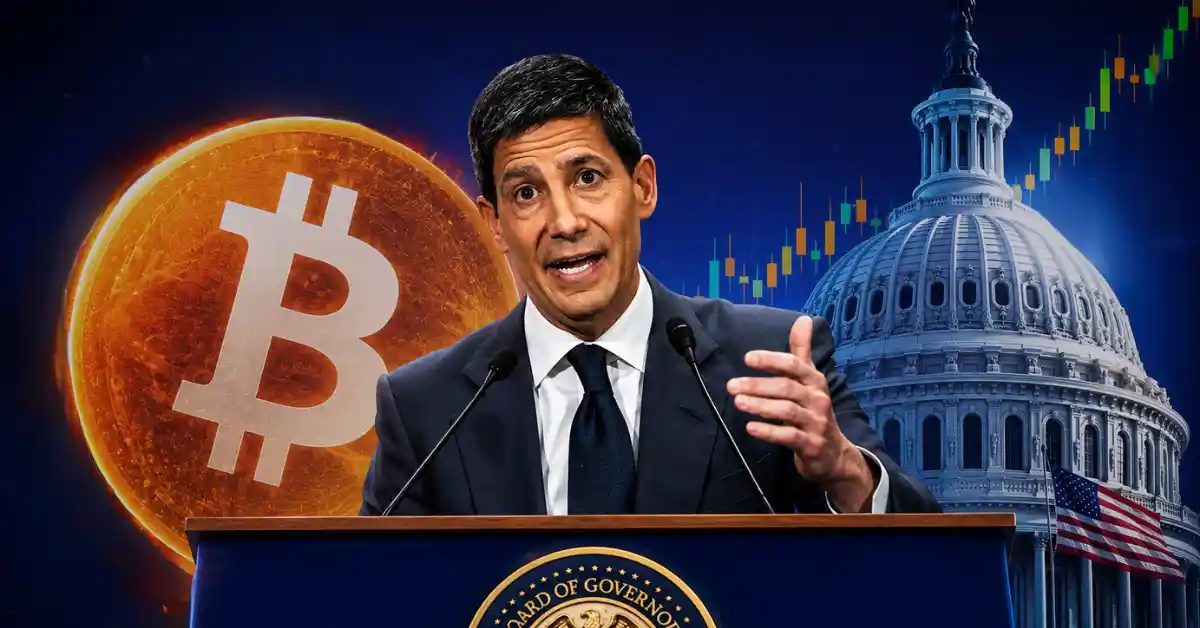


Federal Reserve Chairman Kevin Warsh will deliver a speech at the Jackson Hole Symposium on Friday. This will be his first appearance since taking office, and with only 19 days left until the September interest rate meeting, markets are trying to discern the direction of U.S. interest rates from it.
The market first looks at the wording.
The report indicates that investors do not expect Warsh to directly state whether there will be a rate cut or hike in September. What is of greater concern is how he will assess inflation, economic growth, and the financial environment, as well as what changes could prompt the Federal Reserve to shift to more accommodative or tighter policies.
Warsh has in the past provided less clear forward guidance, so it may be more important to emphasize certain conditions in this speech than to make specific predictions. A survey by Bank of America shows that 69% of fund managers expect him to maintain a neutral stance, which also means that if the wording deviates from expectations, the market reaction could be more pronounced.
Inflation remains the focus.
Inflation remains the main focus of this speech. What the market hopes to confirm is whether, if price pressures fail to return to near the Federal Reserve's 2% target for a long time, Warsh will consider higher interest rates as an optional tool.
In an interview with Bloomberg, Jack Manley stated that it is highly unlikely that Warsh will release clear signals regarding the September meeting, but they may place more emphasis on the role of inflation in policy decisions. At the same time, if he places more emphasis on economic slowdown or a weakening job market, market expectations for interest rate cuts could increase.
Long-term U.S. Treasury yields under pressure
In addition to inflation, the U.S. Treasury market is also an important backdrop for this speech. The yield on 30-year U.S. Treasuries is near its highest level since 2007, and the recent operations by the U.S. Treasury Department to repurchase long-term Treasuries have not managed to continuously suppress yields in the longer term.
The report also mentioned that there is not complete consensus within the Federal Reserve regarding policy prospects, with the most recent meeting even seeing a strong voice of hawkish opposition in recent years. As a result, the market is paying attention to how Warsh will view the high long-term yields: whether to see it as a natural tightening of financial conditions or as a new pressure on the economy.
Volatility of assets such as Bitcoin
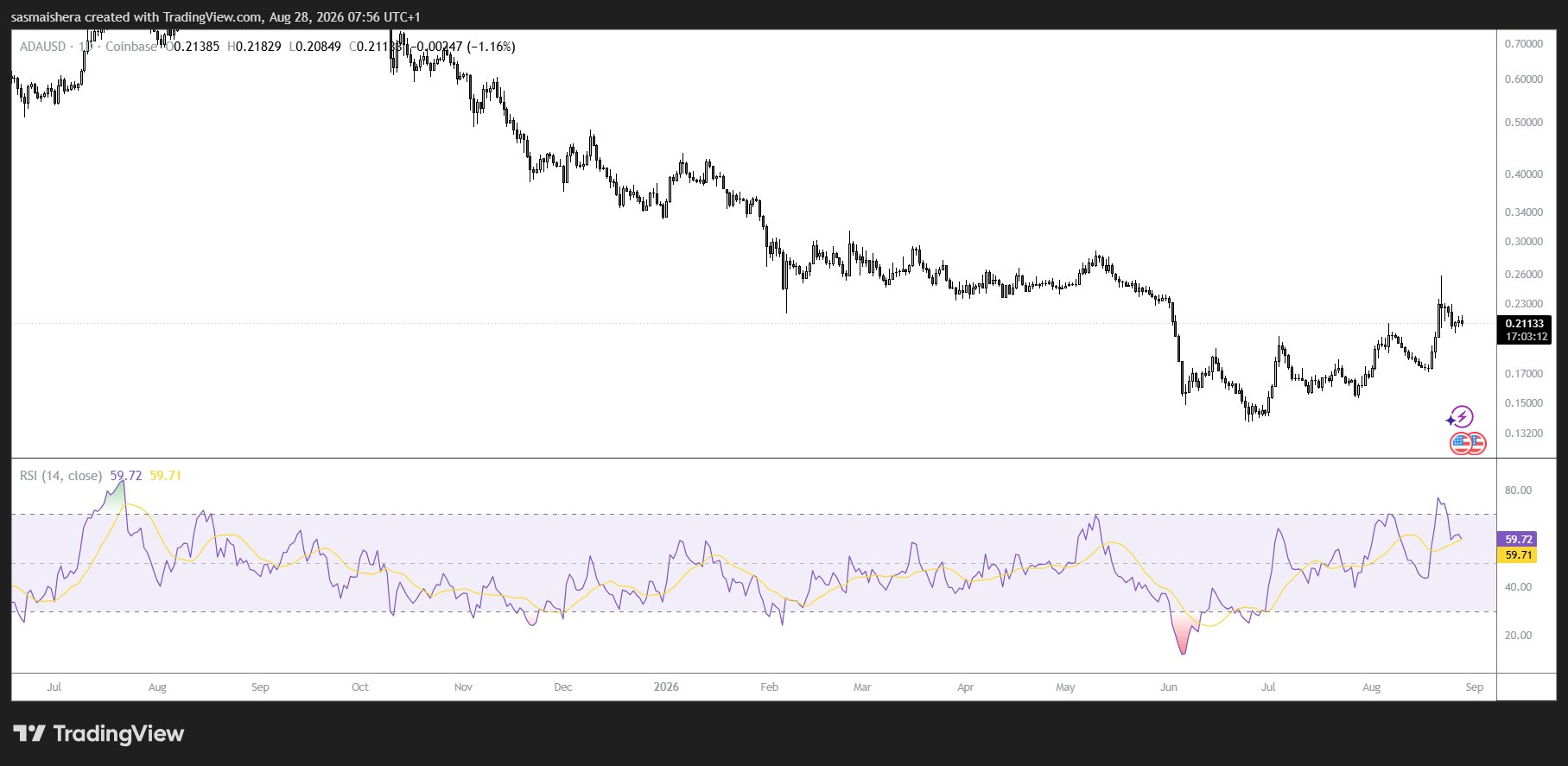
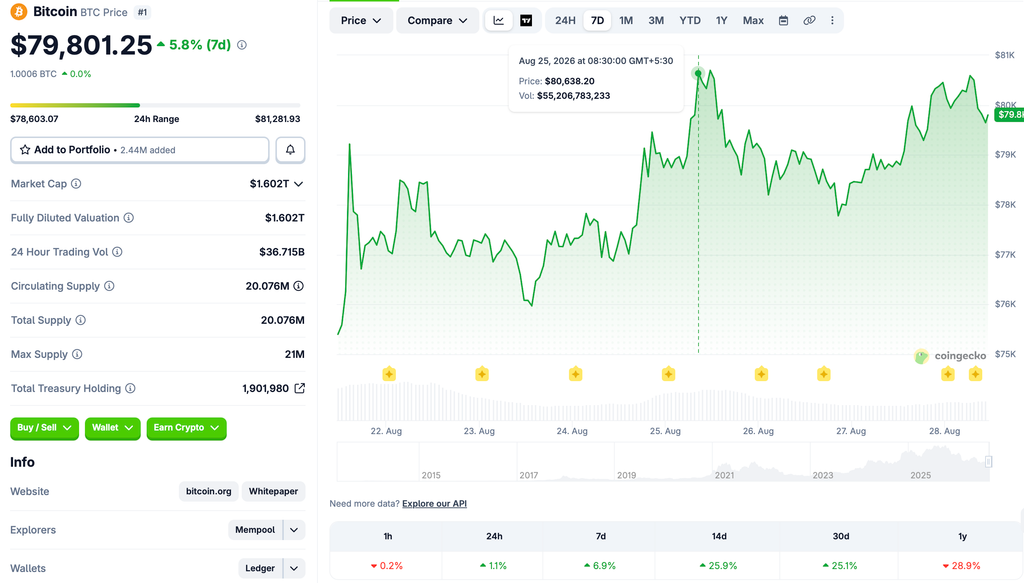
The market is currently preparing for three possible outcomes: dovish, hawkish, or neutral. If the speech takes a dovish tone, expectations of interest rate cuts may increase, providing support for risk assets such as stocks, gold, and Bitcoin; if it is hawkish, it may reinforce the view that "high interest rates will remain for a longer period," which could suppress risk appetite.
If the overall tone remains neutral, the market may continue to wait for more economic data before the September meeting, and fluctuations may not subside quickly. The report also mentions that this year's Jackson Hole Symposium could also cover topics related to financial innovation, with stablecoins and crypto assets possibly being brought into the discussion.