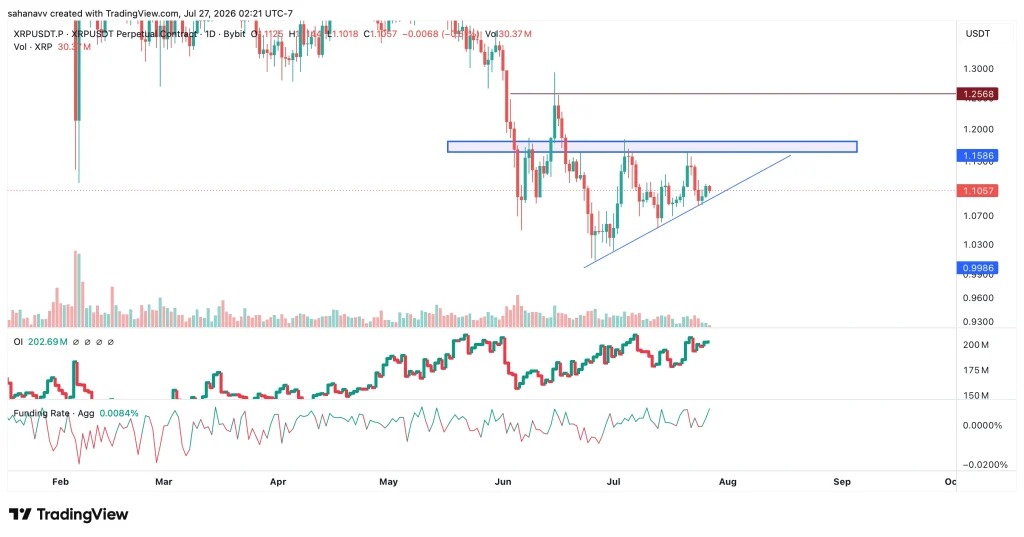


Foreign media reports indicate that the market narrative surrounding XRP is shifting. This is driven primarily by three factors: the advancement of US crypto legislation, Ripple's expansion into the institutional market, and potential adjustments to the stablecoin compliance landscape. These combined factors are prompting investors to reassess XRP's long-term uses and valuation.
The Clarity Act becomes the focus of the market.
The report mentions that the US "CLARITY Act" is close to a Senate vote, and is seen by many market participants as the most crucial catalyst at present. According to the article, if this bill passes, it may enshrine the commodity status of XRP into federal law, rather than remaining at the level of regulatory agencies.
The article quotes a BlackRock representative as saying that legal status once enshrined in legislation is more difficult for subsequent governments to overturn than regulatory classifications. However, the representative also believes that the bill's probability of passing before the August recess remains below 50%.
Ripple continues to advance its institutional business.
In addition to legislative progress, the article also lists Ripple's institutionalization efforts as a second supporting factor. The report mentions that Ripple has acquired prime brokerage Hidden Road and entered the stablecoin business compliant with the Genius Act through RLUSD, while continuing to expand its cooperation with the banking system.
The article argues that these actions have gradually shifted market discussion about XRP from short-term price fluctuations to its applications in payment settlement and financial infrastructure. Ripple CEO Brad Garlinghouse also stated that the company is pushing for the on-chaining of real-world assets.
USDT compliance deadlines introduce variables.
The third variable comes from the competitive landscape of stablecoins. Reports indicate that Tether's USDT issuance is approximately $185 billion, and if it fails to meet the requirements of the Genius Act by July 2028, it may face delisting from the US market.
According to the article, approximately 25% of USDT's reserve assets currently do not meet the relevant requirements. If this situation ultimately leads to restrictions in the US market, some stablecoin trading volume may shift to alternatives that are ready to comply with regulations, including RLUSD launched by Ripple.
The article also mentions that market analyst Digital Asset Investor believes XRP may benefit from future discussions regarding US digital asset reserves. Their basis includes the wording of digital asset reserves in Trump's earlier executive orders and White House advisor Patrick Witt's statement that an announcement regarding Bitcoin reserves is imminent.
Overall, this is clearly an opinion piece. Its core argument is that regulatory clarity, Ripple's institutional expansion, and the pressure to comply with stablecoin regulations are collectively changing how the market prices XRP. Whether this revaluation can be accelerated depends on the progress of the Clarity Act in the US Senate.