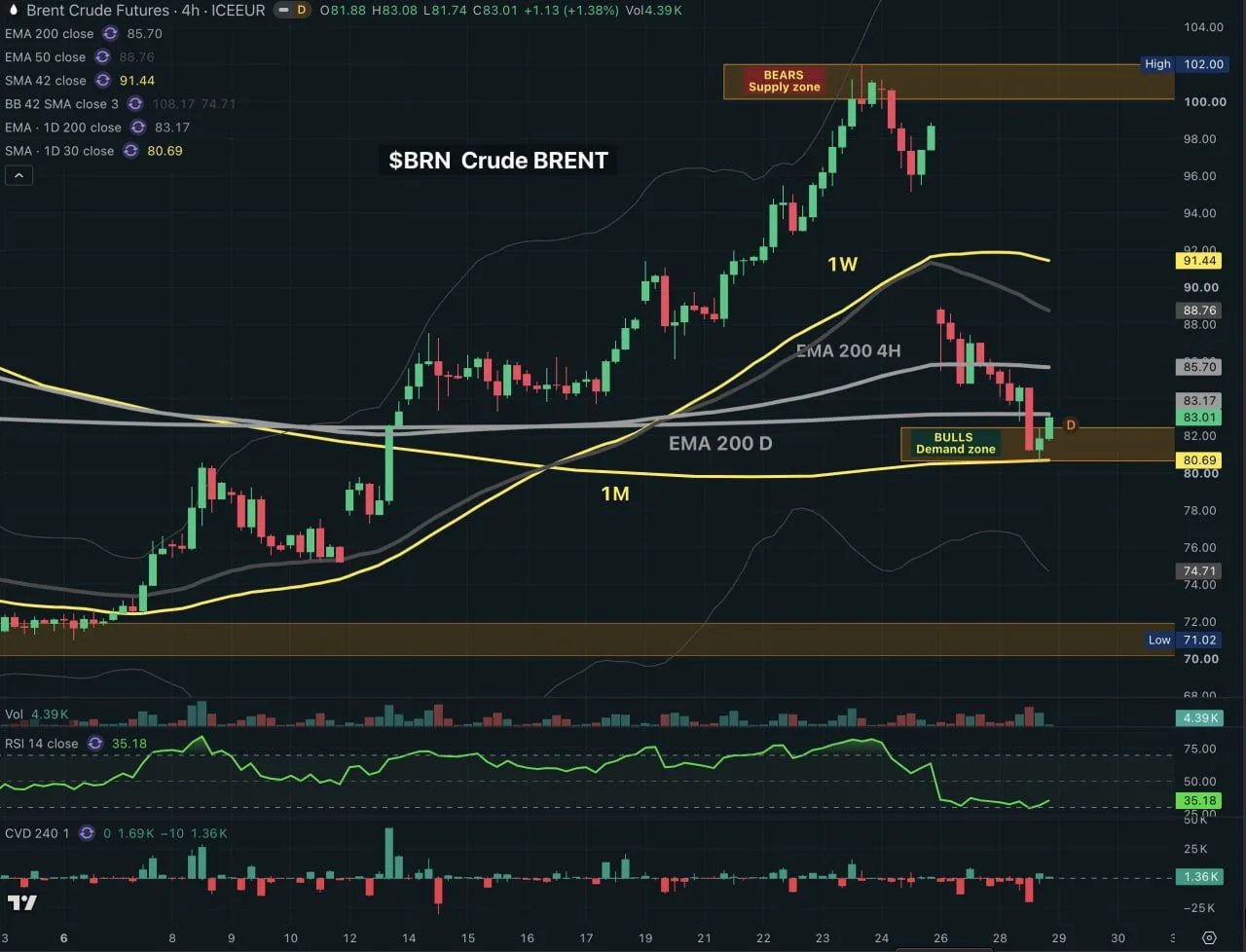


Tensions in the Middle East escalated again, pushing international oil prices significantly higher on Thursday. Market concerns about renewed disruptions to shipping lanes in the Red Sea and surrounding areas sent Brent crude back above $100 a barrel, while WTI also recorded a single-day gain of over 6%. Following the rise in energy prices, average gasoline prices in the United States increased in tandem, bringing renewed attention to inflationary pressures.
Risks associated with Red Sea shipping are driving up oil prices.
The Houthi rebels in Yemen claimed responsibility for attacks on two Saudi oil tankers and announced restrictions on related Saudi shipments. This news has refocused market attention on the risks associated with passage through the Bab el-Mandeb Strait, a vital waterway connecting the Red Sea and the Gulf of Aden and a key route for shipping Middle Eastern crude oil.
Saudi Arabia also uses this route as an alternative export channel when shipping is disrupted in the Strait of Hormuz. Therefore, even if actual supply reductions have not yet occurred, the market will already factor in expectations of supply tightening as soon as shipping risks increase.
- WTI crude oil rose 6.2% to settle at $92.19 a barrel.
- Brent crude rose 7% to $100.69 a barrel.
- Brent crude oil broke through $100 for the first time since May.
The US Congress remains divided on the issue of Iran.
The U.S. Senate on Thursday rejected a resolution on war powers related to Iran, with a vote of 47 to 49. The proposal had aimed to limit the government's ability to take military action against Iran without congressional approval.
Meanwhile, the US House of Representatives passed another related proposal with 214 votes in favor and 208 against. The divergent results between the House and Senate indicate that significant disagreements remain within the US regarding military authorization and the duration of the conflict. For oil trading, this means that the uncertainty surrounding the Middle East situation is unlikely to subside in the short term.
News of increased production failed to curb price increases.
According to Reuters, core OPEC+ oil-producing countries are preparing to increase production by 188,000 barrels per day in September. While the increased supply could provide some buffer for oil prices, the market is currently more focused on whether transportation disruptions will affect the actual amount of crude oil available for delivery.
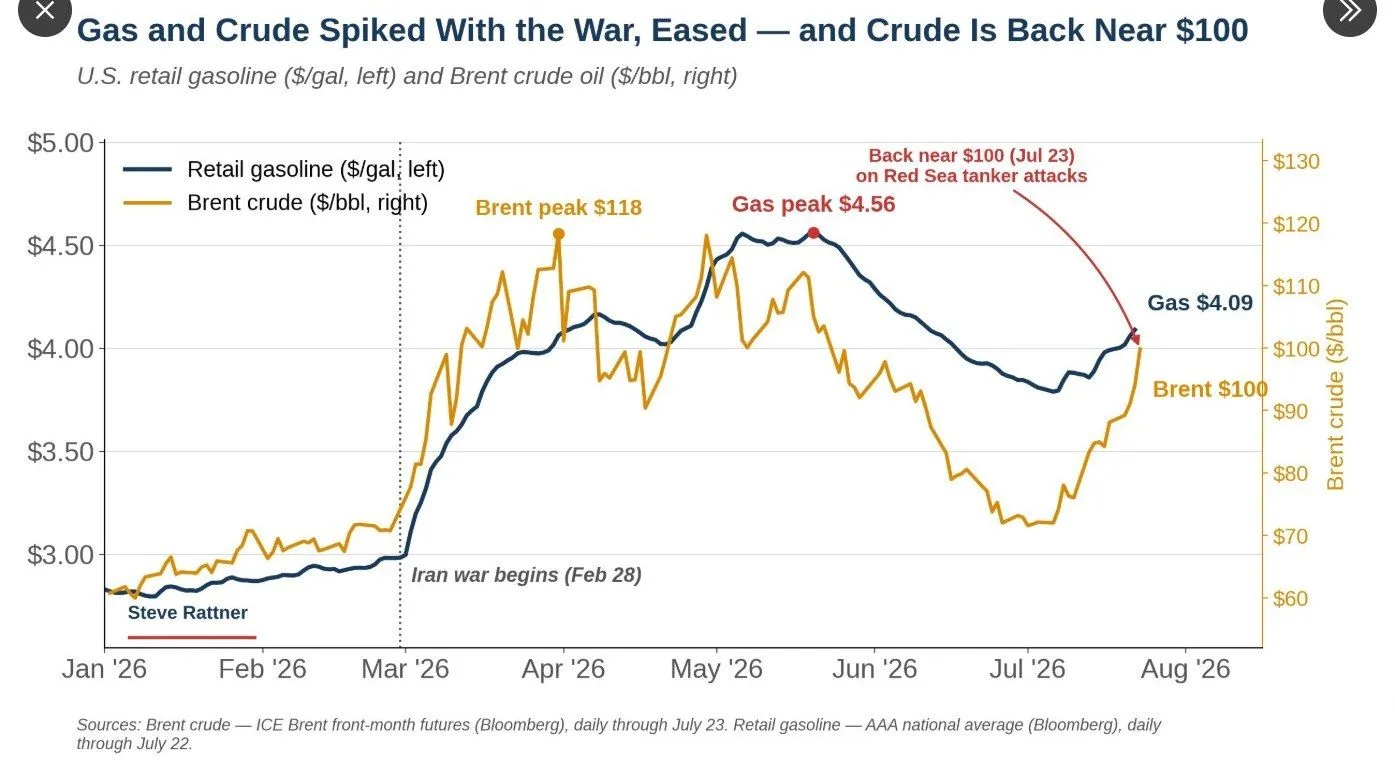
U.S. fuel prices have already begun to reflect rising crude oil prices. On July 23, the national average price of regular gasoline in the U.S. rose to $4.09 per gallon, up 15 cents from the previous week. If oil prices continue to remain high, transportation, aviation, agriculture, and food delivery costs could all rise further, putting new pressure on inflation and interest rate expectations.