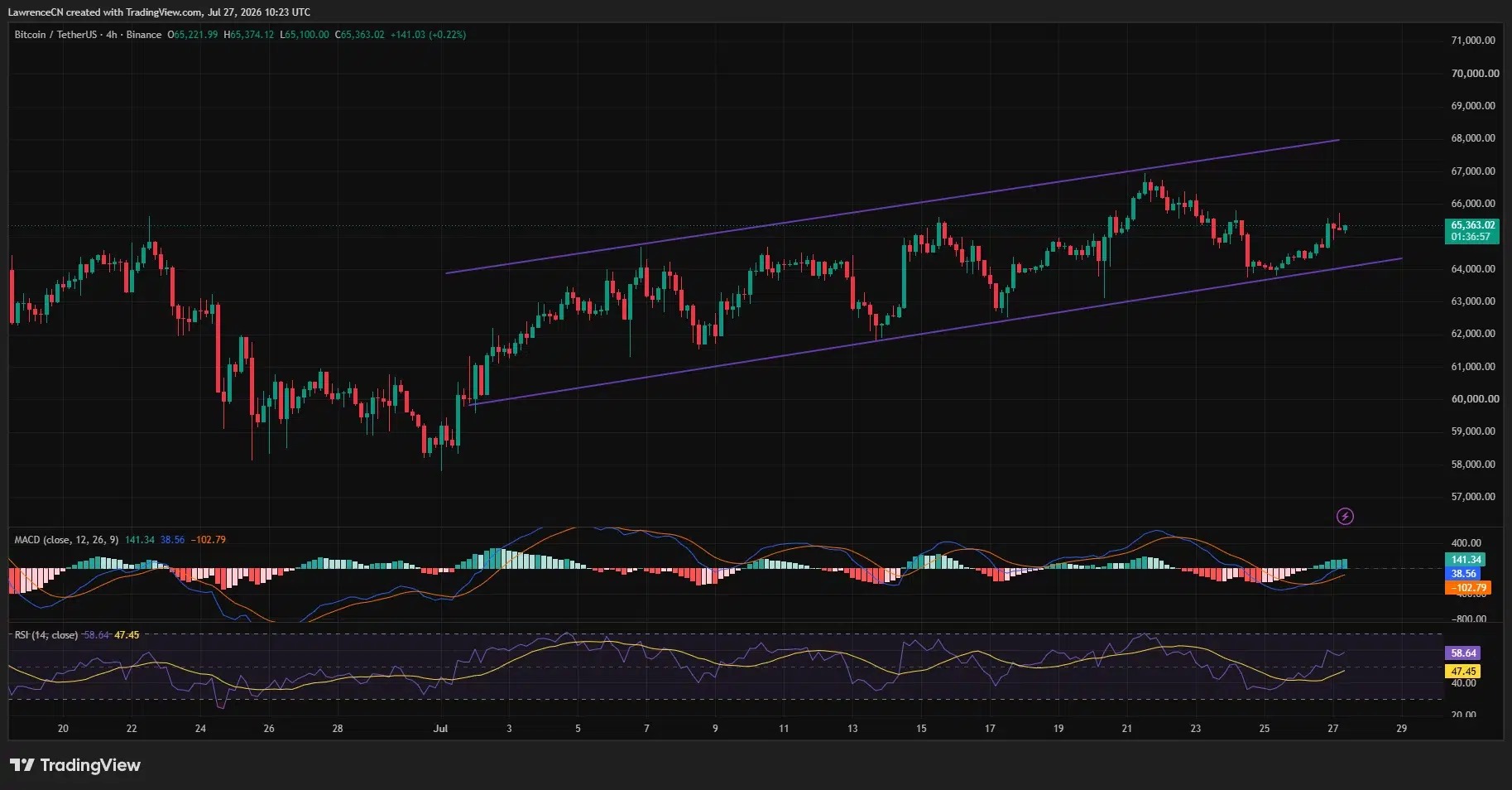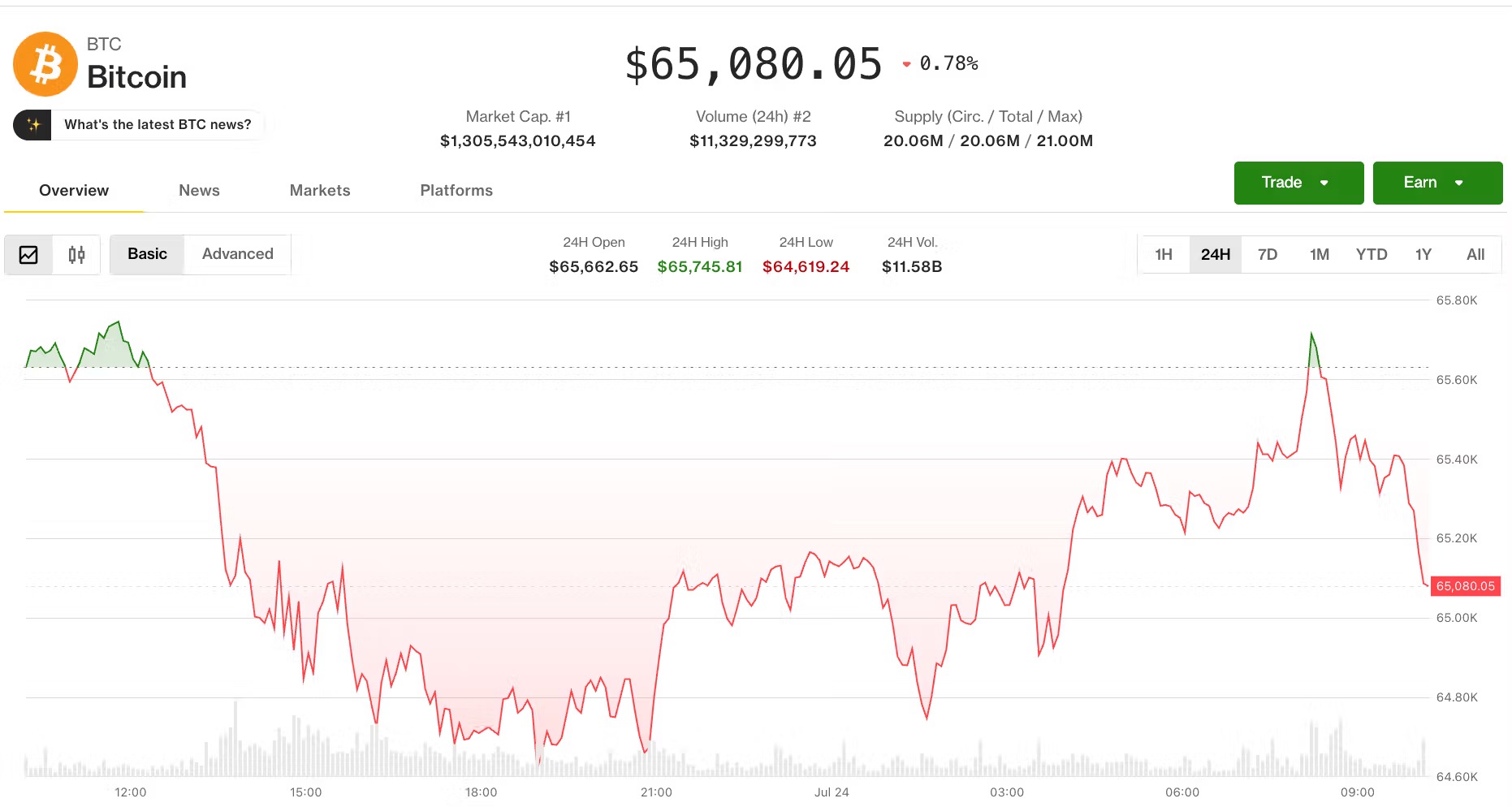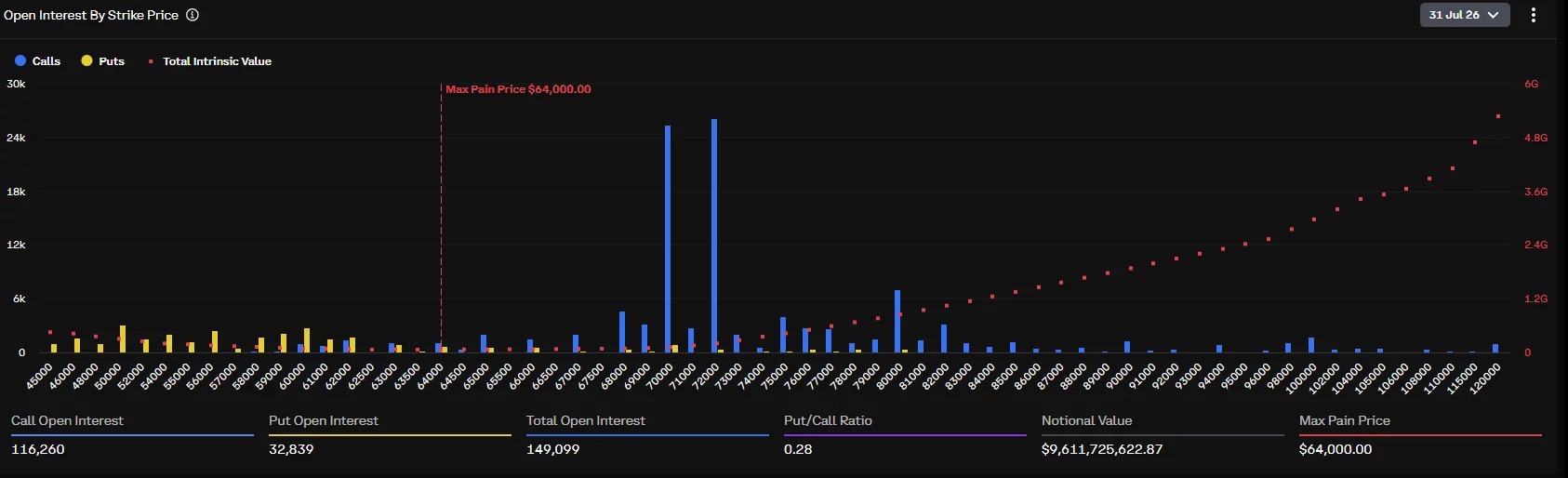


Rising oil prices and escalating tensions in the Middle East are weighing on risk assets. Bitcoin retreated after hitting a daily high of $66,300, retesting the $65,000 level. The market is seeing continued net inflows into US spot Bitcoin ETFs while simultaneously digesting pressures from inflation, interest rates, and geopolitical risks.
Continuous net inflows into ETFs support demand.
Data shows that the US spot Bitcoin ETF recorded a net inflow of $69 million on July 22, marking the seventh consecutive trading day of net inflows. The total inflow over the past seven trading days is approximately $1 billion, indicating that institutional funds are still providing some support to the market.
However, this round of inflows is still smaller than the net outflow of approximately $6.9 billion in May and June combined. In other words, while the liquidity situation has improved, it is not enough to completely offset the previous pressure from withdrawals.
Oil prices and geopolitical risks fuel risk aversion.
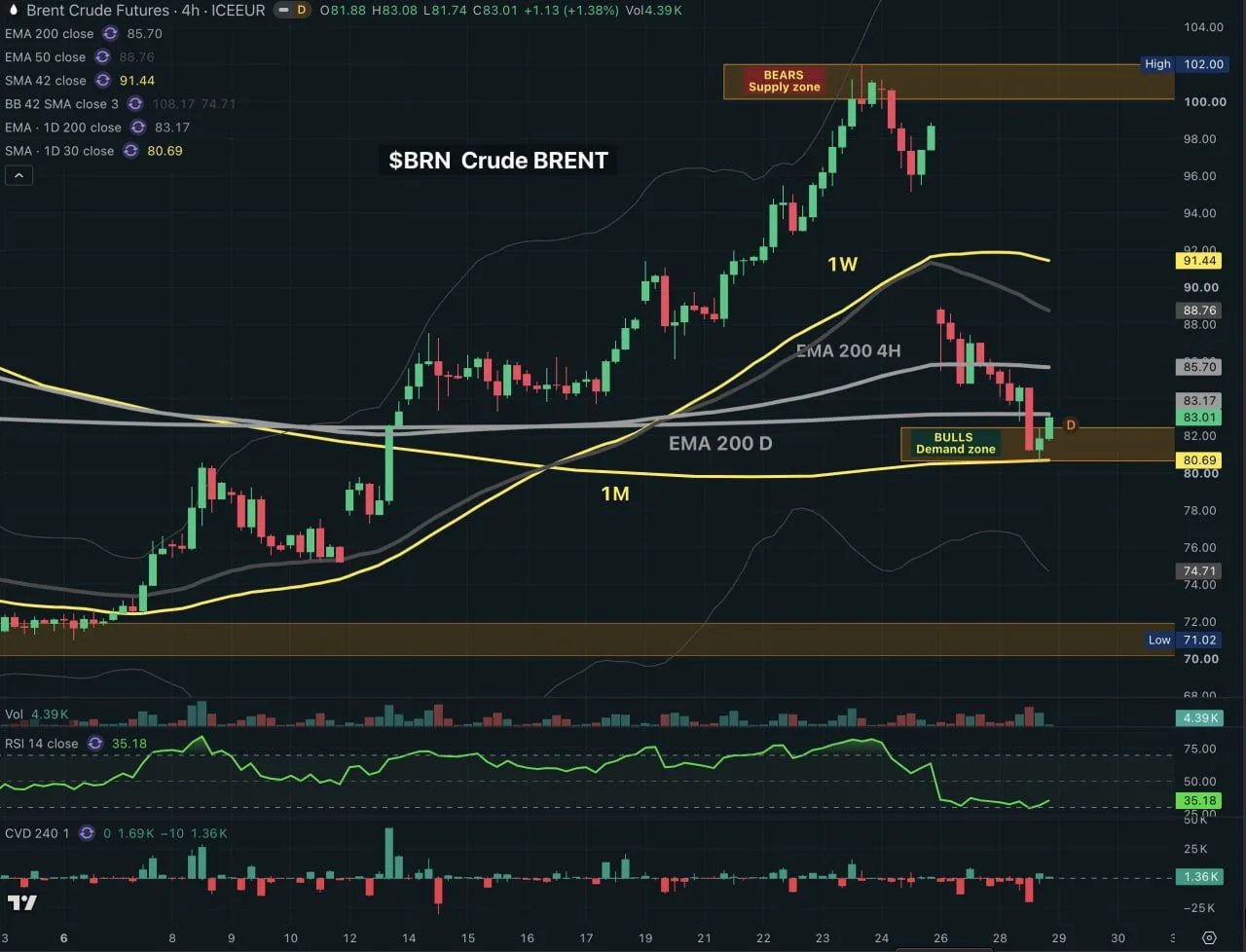
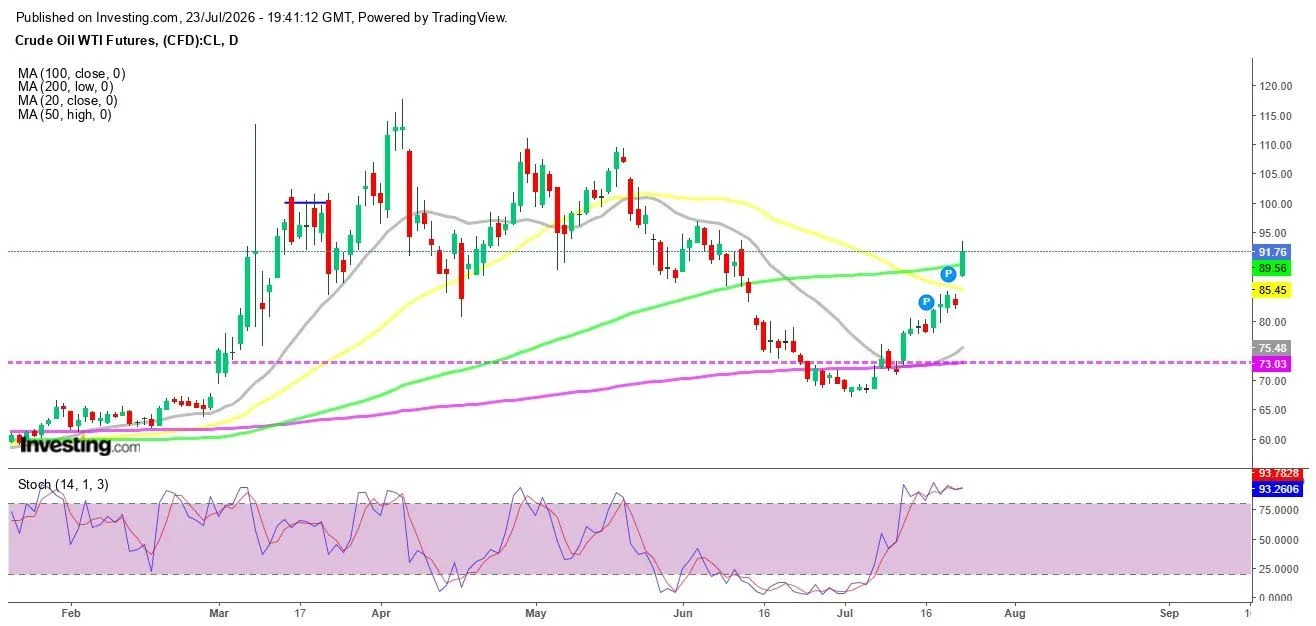
On July 23, WTI crude oil rose to around $90 per barrel, while Brent crude oil approached $99. Market concerns about disruptions to energy transport from the Middle East drove oil prices up for the fifth consecutive trading day.
The UK's Office for Maritime Trade Operations reported that an oil tanker was attacked and caught fire southwest of Al Shuqaiq. The Houthi rebels in Yemen subsequently claimed responsibility for attacking two Saudi oil tankers. Meanwhile, threats exchanged between US President Trump and Iran have further escalated risks related to the Strait of Hormuz.
Markets are concerned that rising energy prices could boost US inflation, thus limiting the Federal Reserve's room for interest rate cuts. If US Treasury yields continue to rise, risk asset valuations will face greater pressure, and Bitcoin could also be dragged down.
$65,000 becomes a key short-term level.
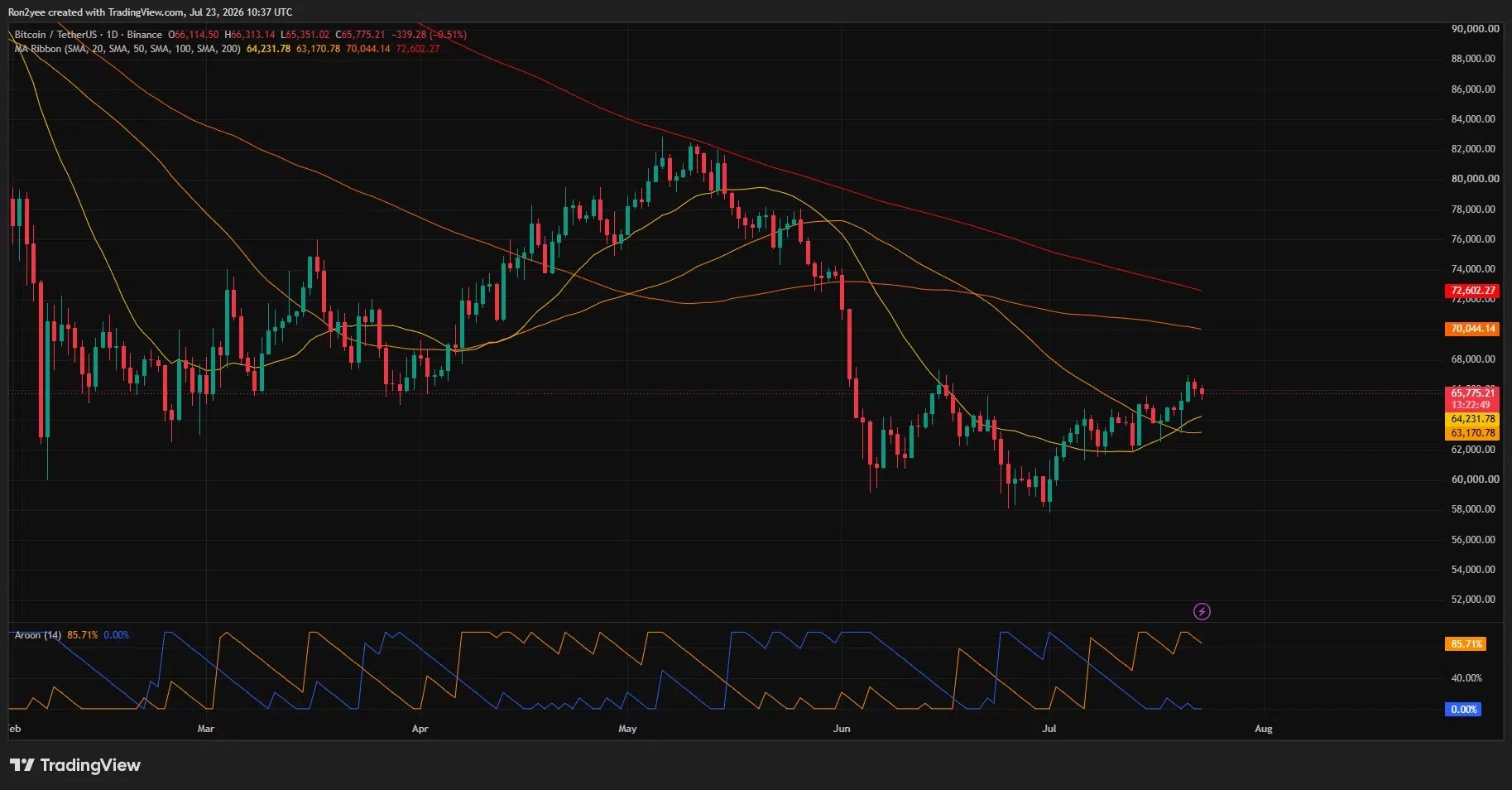
From a technical perspective, Bitcoin is still trading within the upward channel that formed since early July, with the lower edge of the channel roughly between $65,000 and $65,400, making this area a key short-term support level.
If the price holds above this level, the market may continue to test the resistance around $66,800. If it falls below $65,000, liquidity may concentrate around $64,800, $64,500, and $64,000, with further support in the $63,200 to $64,200 area, where the 20-day and 50-day moving averages are located.
On the 4-hour chart, short-term momentum has slowed somewhat. Although the price is still above the 20-day and 50-day moving averages, it has not yet recovered the area where the 100-day and 200-day moving averages are located, indicating that the rebound structure still needs further confirmation.
BitMEX to shut down derivatives exchange
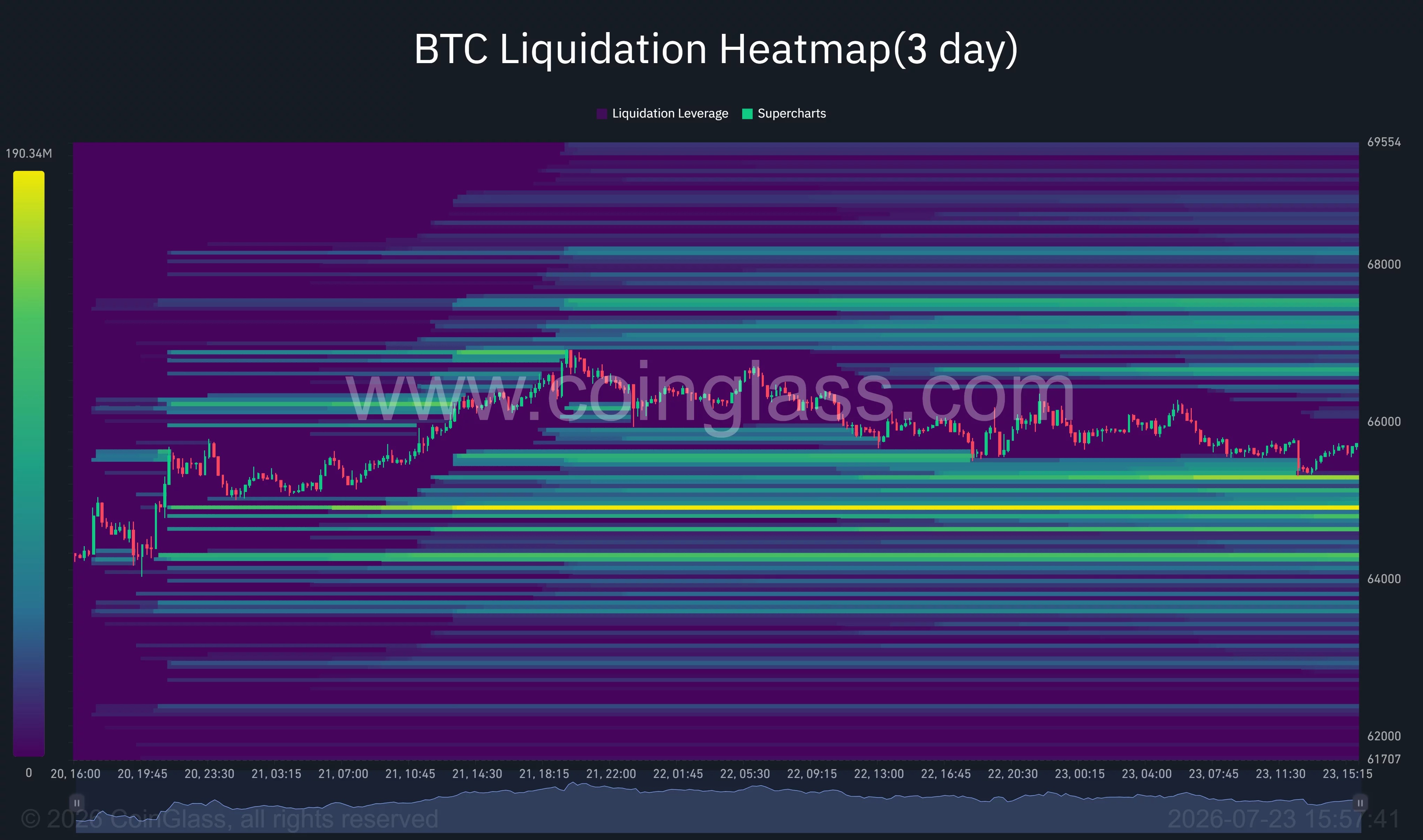
Amid market volatility, BitMEX also announced that it will close its derivatives exchange on September 23. This decision was made by its parent company, HDR Global Trading, after completing a strategic review.
The platform has stopped accepting new user registrations and is requiring clients to close out their positions and withdraw their assets before the end of the transaction. This news adds another platform-level change to the derivatives market, but this article does not show that it has had a direct impact on the spot price of Bitcoin.