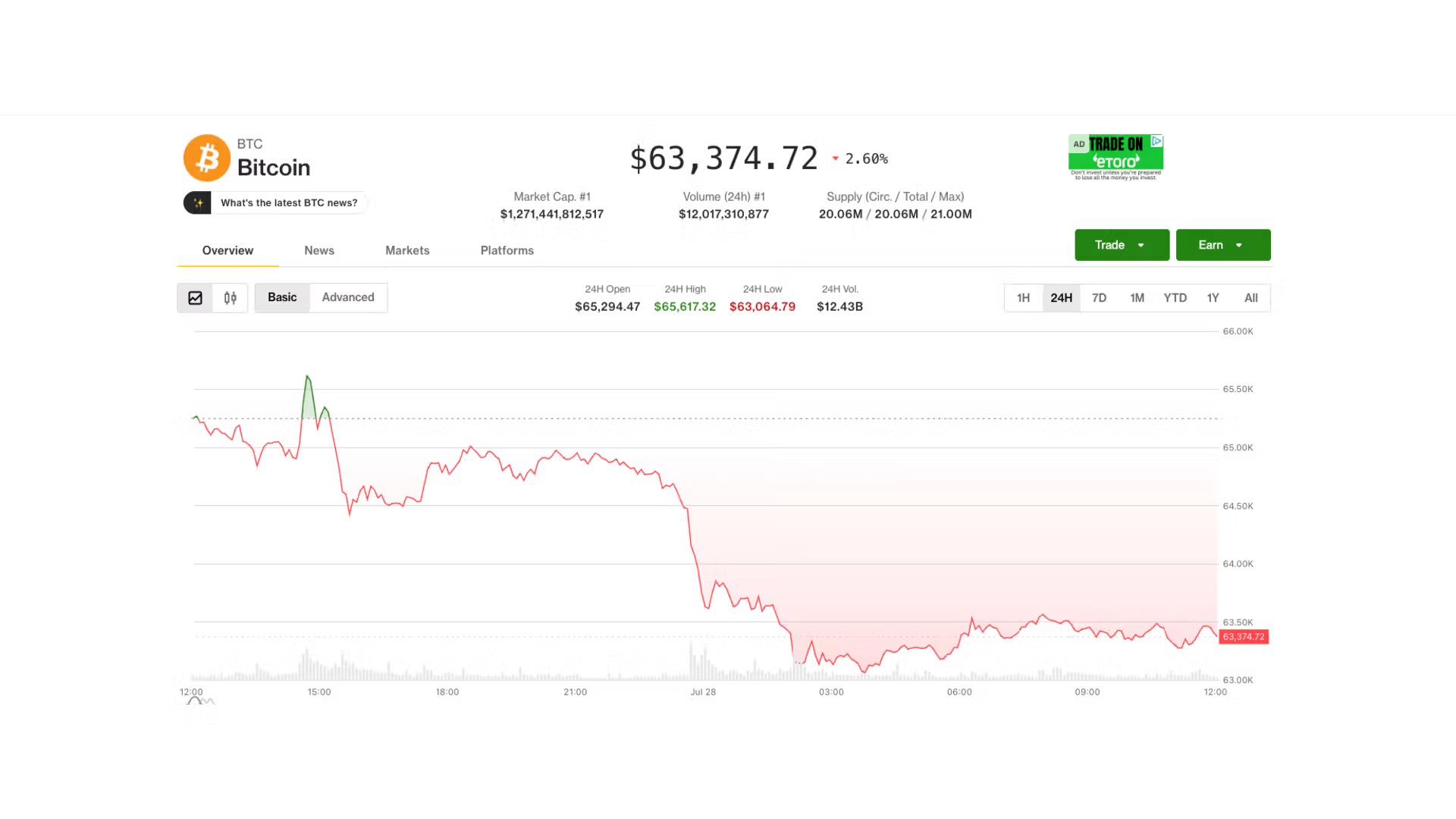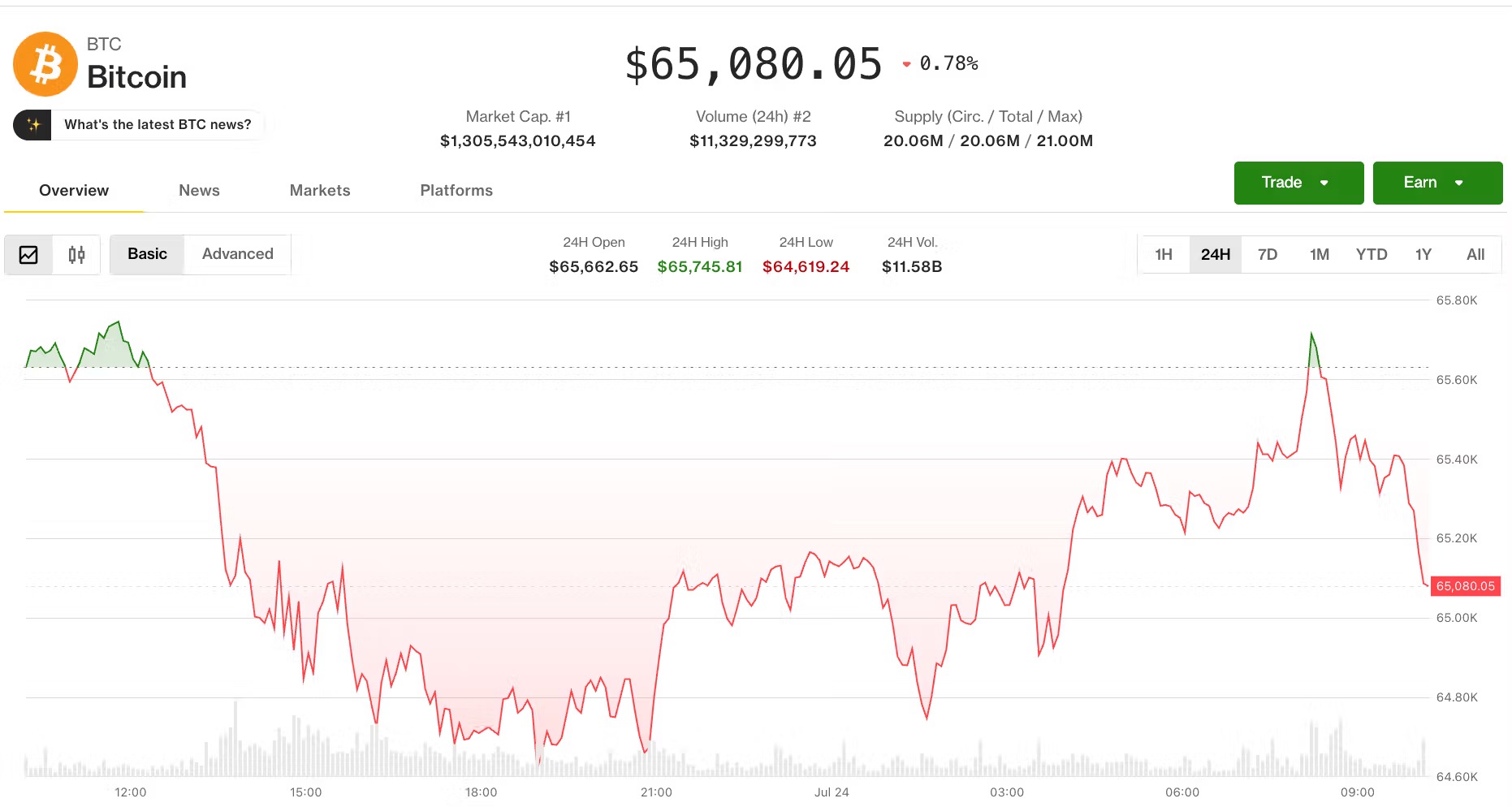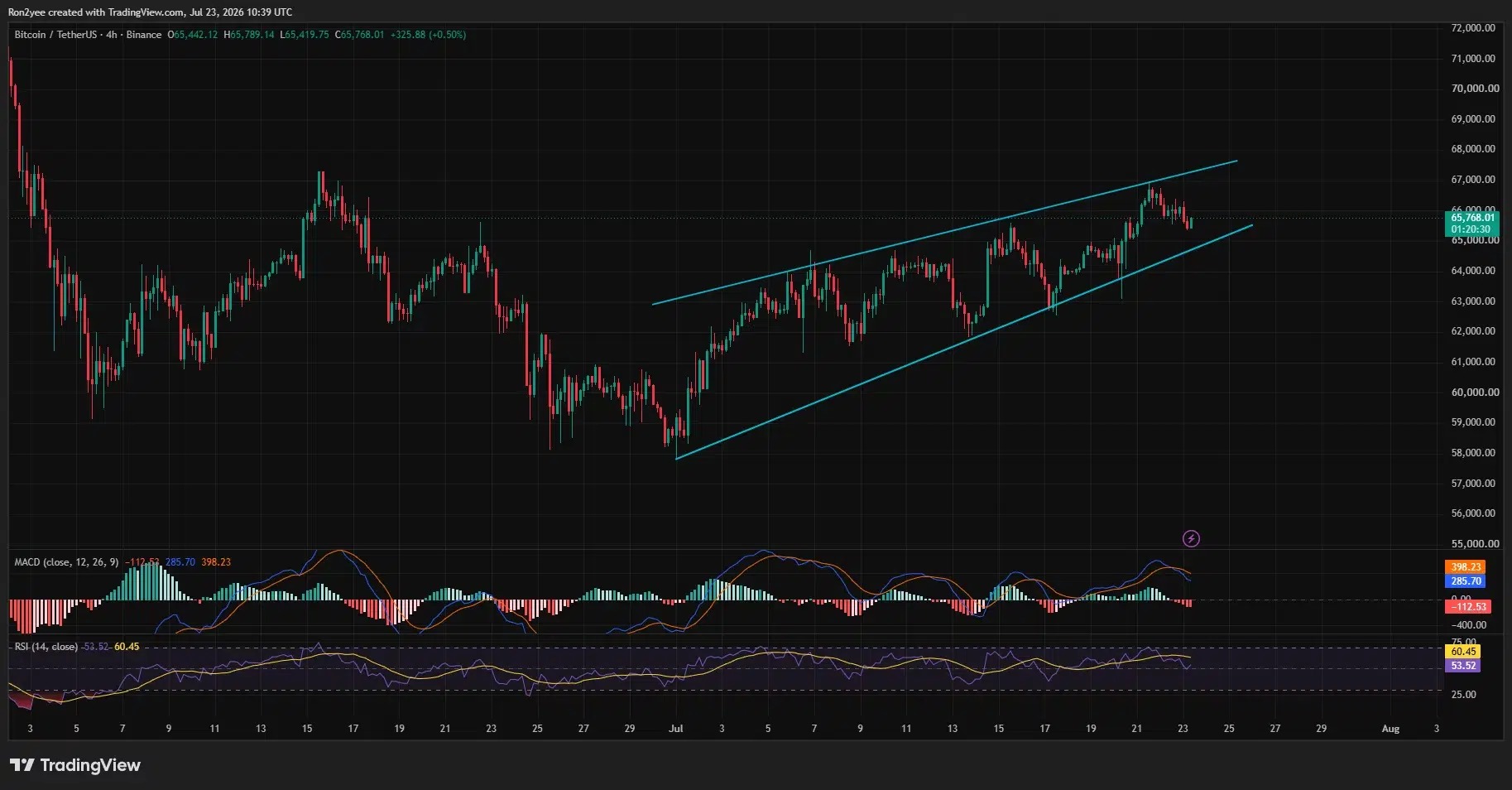


Escalating tensions in the Middle East, rising oil prices, and higher US Treasury yields are simultaneously weighing on risk assets. Bitcoin fell back to around $65,500 earlier on Thursday, continuing its downward trend from the previous day's high of nearly $66,700, while major tokens such as ETH, SOL, and XRP also declined.
Oil prices and interest rates are putting pressure on each other.
West Texas Intermediate (WTI) crude oil futures on the New York Mercantile Exchange rose to $88.60 a barrel, the highest level since June 11. Crude oil rebounded rapidly from below $70, amid market concerns that this could reignite inflationary pressures and reduce the room for major central banks to cut interest rates.
The bond market is also reacting in tandem. Data shows that the yield on the 2-year US Treasury note rose to 4.31%, reaching its highest level since February 2025; the yield on the 10-year Treasury note rose to 4.66%, its highest level since May. Rising yields typically increase the opportunity cost of holding non-interest-bearing assets such as Bitcoin and gold, thus making funds more inclined to flow into fixed-income assets.
Iranian military actions exacerbate risk aversion.
Market sentiment weakened further, also related to US military action against Iranian-related targets. Axios reported that the US military deployed B-1 long-range bombers on Tuesday to strike targets linked to Iran's Islamic Revolutionary Guard Corps.
This move is seen as a signal of escalating US operations, raising market concerns that Washington may be preparing for a wider military operation, moving beyond previous limited strikes. As geopolitical risks intensify, risk assets generally come under pressure, dragging down the crypto market as well.
Expectations for US encryption legislation have cooled.
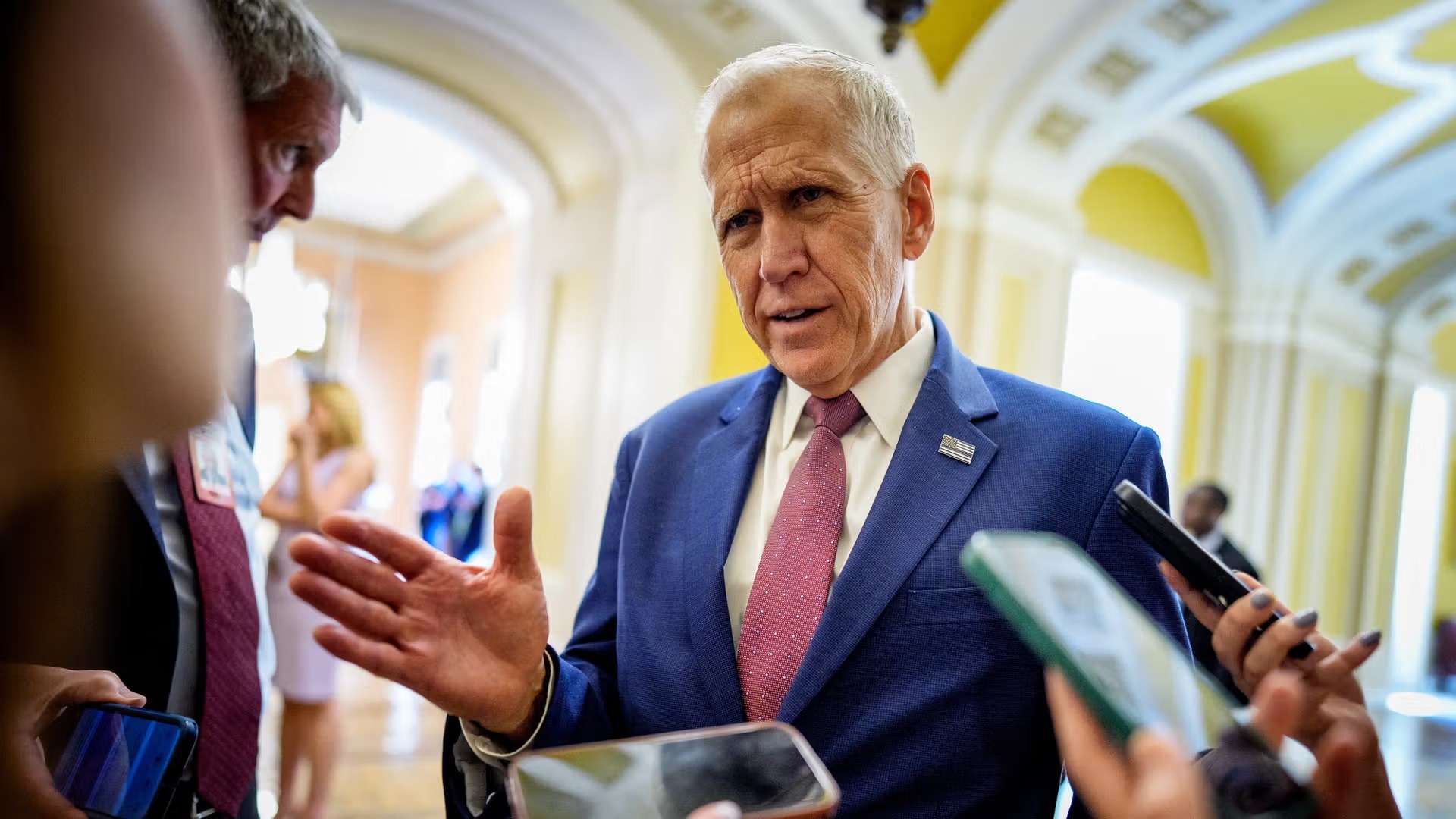
In addition to macroeconomic and geopolitical factors, the impending progress of the Clarity Act, the US digital asset market structure bill, has also dampened market sentiment. Several key Democratic senators have stated that the latest draft still falls short in crucial provisions such as ethical guidelines.
The betting data from the decentralized prediction platform Polymarket was quickly adjusted, with the probability of the bill passing dropping from 46% to 38%. Republican senators had previously released an updated draft on Wednesday, which included ethical clauses agreed upon by the White House and President Trump.

For the crypto market, this means that the regulatory clarification process, which some investors had pinned their hopes on, has encountered further obstacles in the short term. Against the backdrop of simultaneous pressure from oil prices, interest rates, and geopolitical tensions, Bitcoin's short-term performance remains weak.