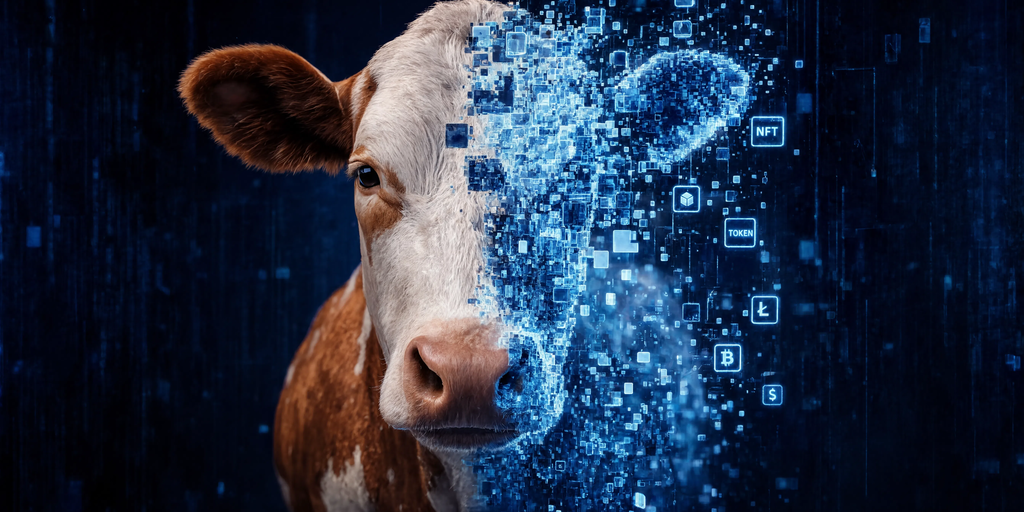


A group of farmers in Paraná state, Brazil, recently registered 10 dairy cows as tokens and obtained nearly $20,000 in credit in return. This initiative comes at a time when local banks are tightening lending to small-scale agricultural operations, extending the tokenization of real-world assets from financial assets such as bonds and funds to agricultural production materials.
Ten dairy cows secured a loan of nearly $20,000.
The tokens for these dairy cows have been registered on the Brazilian exchange B3. The project, spearheaded by Brazilian agritech company Cowmed, involves assigning each cow a traceable digital identity, which is then used as movable collateral in the lending process.
In traditional agricultural loans, while livestock possess asset value, the costs of verification, registration, and continuous tracking are high, and banks are also concerned about the risk of double-collateralization. The goal of this pilot program is to allow live livestock to enter the financing system like standardized assets.
AI collars are used for verification and to prevent double-collateralization.
Cowmed equips its cows with AI-powered smart collars to continuously record health, behavior, and location data. This raw data is then transformed into encrypted digital identities, which are linked to B3's credit agreements.
This mechanism primarily addresses two issues: first, reducing the need for manual on-site verification; and second, preventing the same cow from being used as collateral for multiple loans. The report also mentions that if individual cows die, the system allows farmers to replace them with surviving cows to maintain the validity of the collateral.
- Pilot location: Paraná State, Brazil
- Initial scale: 10 dairy cows
- Credit obtained: nearly $20,000
Cowmed suggests this could unlock more financing opportunities for agriculture.
Cowmed states that it currently tracks approximately 100,000 dairy cows across more than 1,000 farms, representing assets worth over $395 million. The company anticipates that up to 20% of its service network may utilize this tokenized financing model.
Based on this estimate, this model could potentially generate approximately $77.6 million in new credit for the local agricultural sector. For the RWA market, the significance of such cases lies not in the size of a single transaction, but in combining on-chain registration, real-time data, and collateralized financing with more decentralized, non-standardized physical assets.

Currently, real-world asset tokenization primarily focuses on financial assets such as government bonds, credit, and fund units. This dairy cow tokenization pilot program demonstrates that if asset identification, continuous monitoring, and default resolution mechanisms can be established, agricultural assets may become the next category of assets to enter the tokenized financing system.