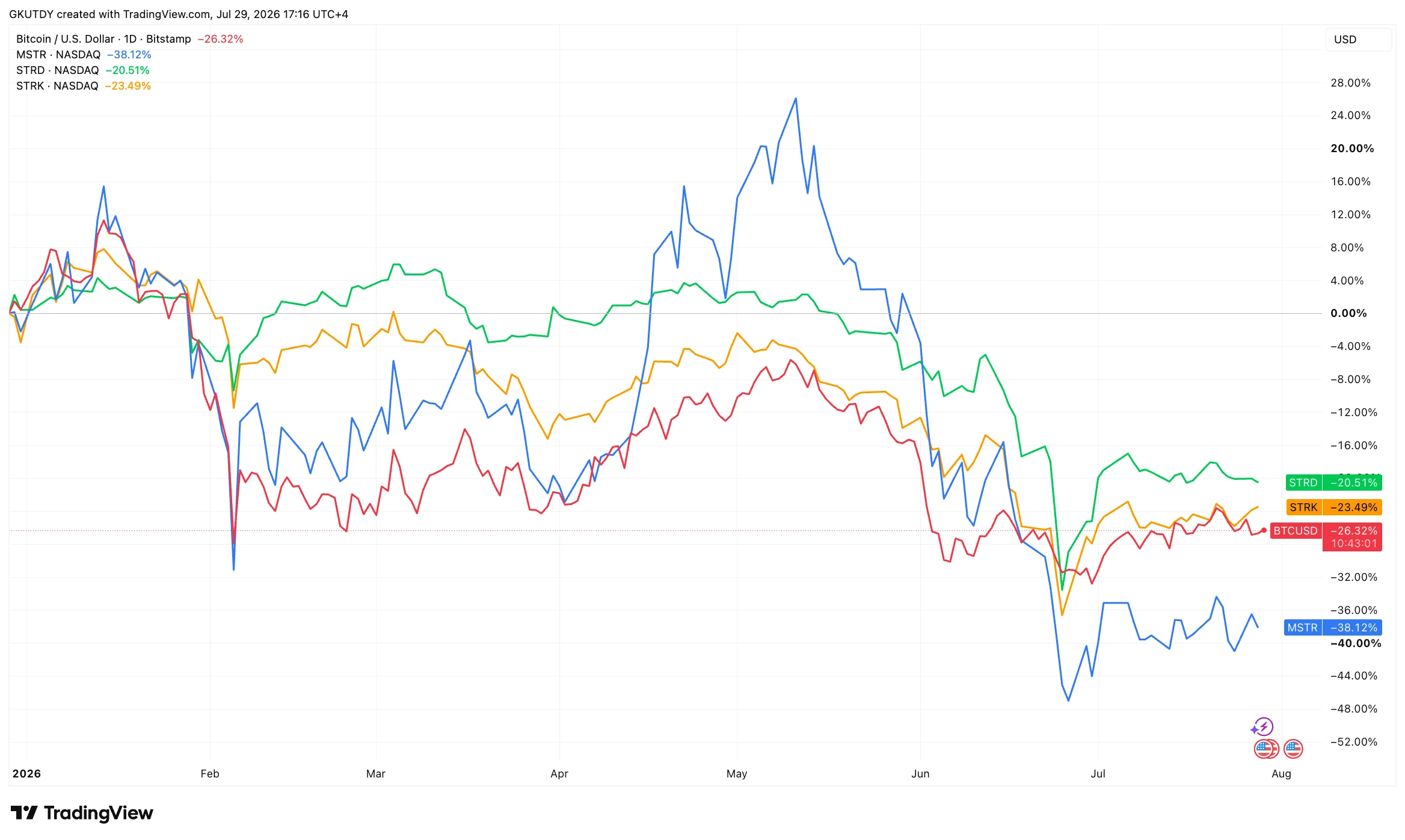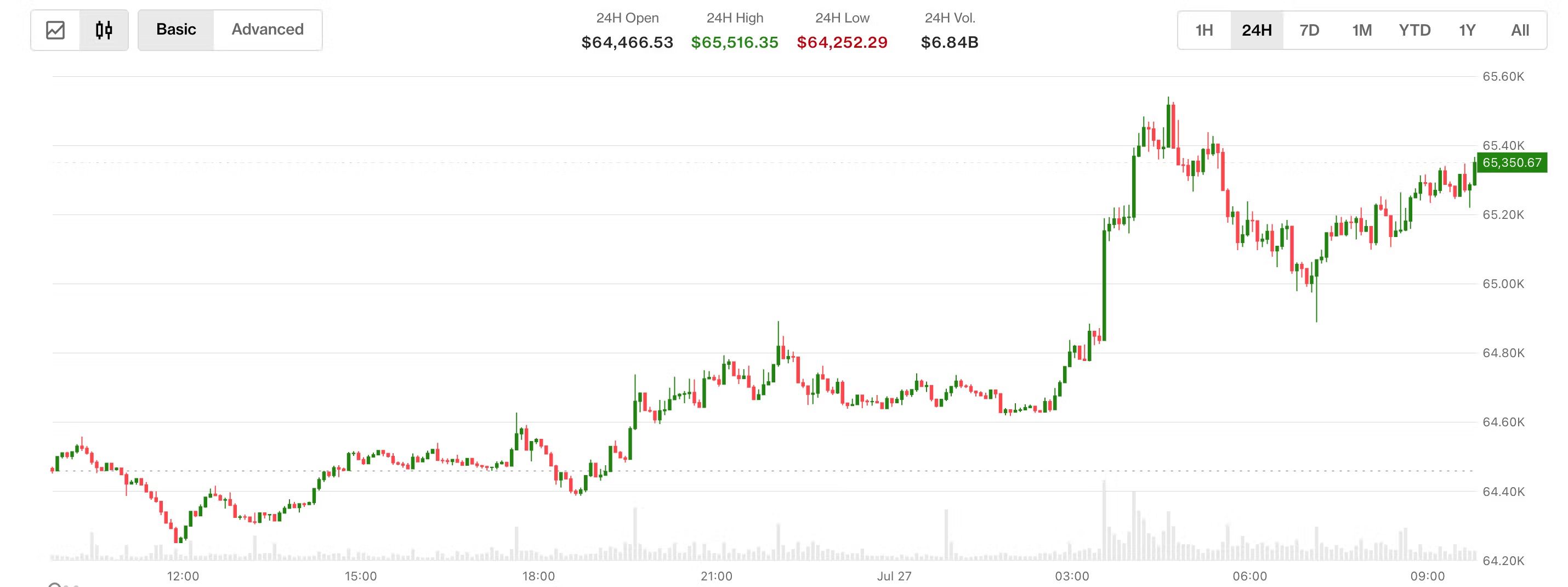


Strategy's latest disclosure reveals that this publicly traded company, which holds the largest amount of Bitcoin, has changed its Bitcoin metric from one focusing on total value to one based on net worth. The aim is to provide common shareholders with a clearer picture of the company's actual exposure beyond debt and preferred stock. At the time of the new framework's release, Bitcoin was still around $65,000, and Strategy's stock price had fallen significantly from its November 2024 high.
Net reserves fell to $36.6 billion
The company disclosed that the "net reserves" in the new metric are currently $36.6 billion. The calculation method is based on $55.6 billion in Bitcoin reserves and $3.2 billion in US dollar reserves, minus $6.8 billion in out-of-the-money convertible bonds and $15.5 billion in the notional amount of preferred stock.
According to the company, these two items, totaling $22.3 billion, are claims that take precedence over common stock in the liquidation order. Therefore, the new metric no longer focuses solely on total Bitcoin holdings, but places greater emphasis on the net asset value of common shareholders at the end of the liquidation process.
- Bitcoin holdings: 843,775 BTC
- Bitcoin reserves: approximately $55.6 billion
- US dollar reserves: approximately US$3.2 billion
mNAV calculation method adjusted accordingly

Strategy has also updated its mNAV, which is the calculation method for market capitalization relative to net assets. The company stated that under the old method, relevant thresholds typically kept mNAV above 1.0, making it difficult for outsiders to determine whether newly issued shares actually increased the existing shareholders' exposure to Bitcoin per share.
The new formula fixes this threshold at 1.0. According to the company, if MSTR's share price is higher than the net value of each Bitcoin, issuing new shares will increase the amount of Bitcoin held by all investors per share; if it is lower than this level, the effect will be different.
New debt coverage and market indicators
The company has also introduced new metrics such as the "BTC Breakeven ARR" to measure the minimum annualized growth rate of Bitcoin needed to cover interest and dividend obligations under the existing credit structure. According to current disclosures, this breakeven annualized growth rate is 3.22%.
This means that if Bitcoin's annualized growth rate exceeds 3.22% over a long period, the company could theoretically rely solely on Bitcoin's appreciation to continuously cover its financing costs. At the same time, Strategy has also incorporated Bitcoin's premium relative to its 200-week moving average, as well as market indicators such as the Fear & Greed Index, as new dimensions for observation.
Share prices and preferred shares remain under pressure
This adjustment reflects the company's ongoing practice of revising its disclosure framework over the past year. The report mentions that Strategy's flagship preferred stock, STRC, is currently trading at approximately $85, and has not returned to its $100 par value since mid-May.
In terms of market performance, Bitcoin is currently down about 50% from its all-time high, and MSTR is down about 84% from its November 2024 high. Against this backdrop, the company is including preferred stock and convertible bonds in its net asset value calculation, aiming to allow the market to more directly assess the residual value corresponding to common stock.
Additional information:The core change in the new framework described in the article is that preferred stock and convertible bonds are separated from the "overall Bitcoin story," and instead, preferred claims are deducted first, and then the Bitcoin value corresponding to common stock is measured.