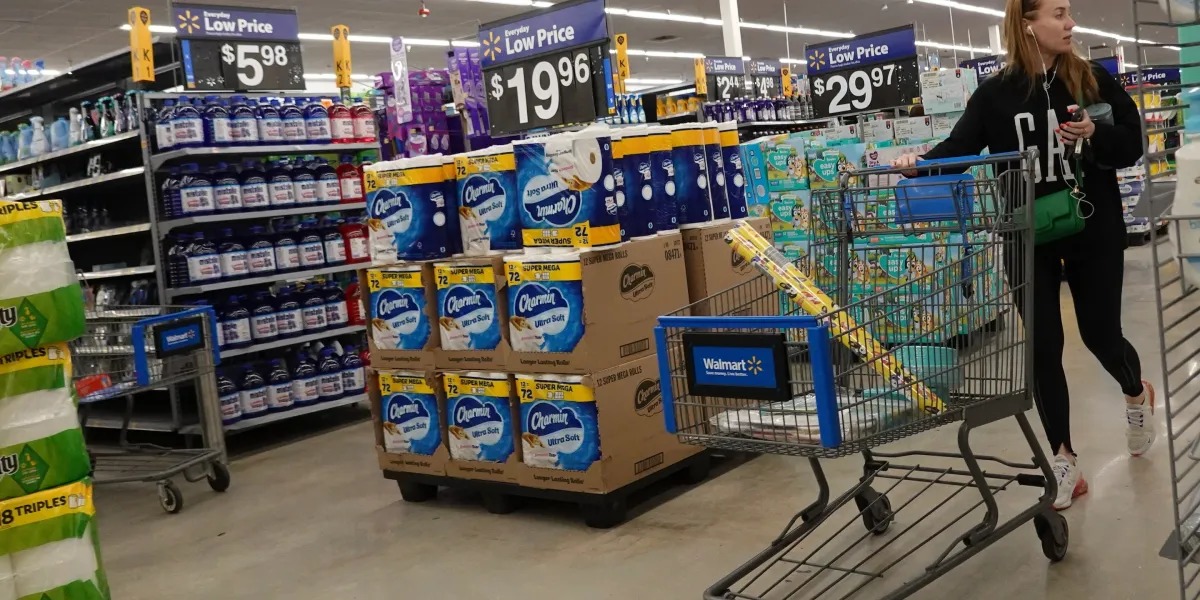


Wal-Mart is known for its low prices, but its growth increasingly comes from groups of people who may not necessarily need such low prices. Families with six-figure incomes also enjoy looking for bargains.
On November 19, Walmart announced its third-quarter results for the fiscal year 2026, stating that households with higher incomes drove the growth of its market share in the United States. The company's revenue increased from $179.5 billion in the same period last year to $188.8 billion, a growth of 5.2%, and both sales and profits exceeded Wall Street's expectations.
E-commerce businesses have taken on the main task of growth. Online sales in the United States increased by 23%, marking the 11th consecutive quarter with a growth rate exceeding 20%; global e-commerce business grew by 17%.
Wal-Mart CEO John Furner stated in a press release, "We have delivered strong performance, with our core businesses growing and gaining market share." This year, Wal-Mart has raised its full-year outlook for the third time, now anticipating a net sales increase of 4.9% to 5.2%, and an adjusted earnings per share of $2.84 to $2.89, which is higher than the previous forecast of $2.80 to $2.87.
Not all indicators are showing acceleration. U.S. same-store sales grew by 2.9%, far lower than the 4.5% increase a year ago; according to The Associated Press, this new forecast is also more conservative than what analysts expected.
The importance of this differentiation is not limited to Bentonville alone. Walmart has over 150 million customers shopping at its stores or on its website each week, making it one of the clearest windows into American consumers' spending habits before the holiday season. Currently, this window shows that high-income individuals are increasing their spending, while others are reducing theirs.
High-income individuals, young members
In February of this year, Verna stated that most of Walmart's market share growth came from households with an annual income of over $100,000; in June, he told reporters that high-income customers visit the stores more frequently and make larger purchases as well.
The new customer base is also younger. At Sam's Club, Generation Z and Millennials account for more than half of the new members this quarter, and over half of them chose the more expensive Plus tier.
Convenience is an important factor in attracting customers. Mobile ordering, free pick-up, and fast delivery allow customers to complete tasks such as purchasing groceries, picking up prescription drugs, and buying gardening supplies all at once. Walmart has stated that its largest increase in market share over the past three years has occurred in the food category, according to a report by CNBC.
The membership system is the next focus of effort. In October, Walmart launched a bundled package called "Walmart+" which costs $120 per year, combined with Sam's Club membership Plus. This package is nearly $100 cheaper than purchasing both services separately.
When the package was launched, Ferna said about Fox News Digital, "This will be helpful when we indeed see some customers showing signs of stress," referring to the rising energy costs.
Stores play a dual role
Wal-Mart's physical stores support its e-commerce business. The company states that over 80% of its e-commerce orders in the United States, including those placed on third-party platforms, are fulfilled by its stores, which enables it to deliver a wider range of products more quickly.
This year, fuel costs have posed a challenge to this network. According to data from AAA, on September 22nd, the national average price of diesel reached a record of $6.53 per gallon; CBS News reports that this surge has been particularly painful for farmers and small businesses.
There was a subsequent decline in prices. As President Trump hinted that he would not escalate the war with Iran, diesel prices fell below $6 per gallon for the first time in two months in mid-November. Ferna told CNBC that despite rising fuel costs, retailers are still striving to maintain low prices, and Walmart still has around 7,700 price reduction promotions at the end of this quarter.
Advertising is boosting profit margins. Walmart’s advertising sales in the United States increased by 37% this quarter, and data from the WARC platform shows that Walmart’s average return on advertising spending is about 25% higher than Amazon’s.
According to WARC, Walmart's global advertising business generated approximately $6.4 billion in revenue last fiscal year. This is significantly lower than Amazon's $68 billion, but clearly higher than Target's Roundel, as well as the combined total of Instacart and DoorDash.
Losing customers
Not all customers were convinced. Data released a few days before Walmart's financial report, identified as Numerator, showed that Walmart stores lost 5.6% of their low-income purchasing families, and the remaining customers also visited the stores less frequently.
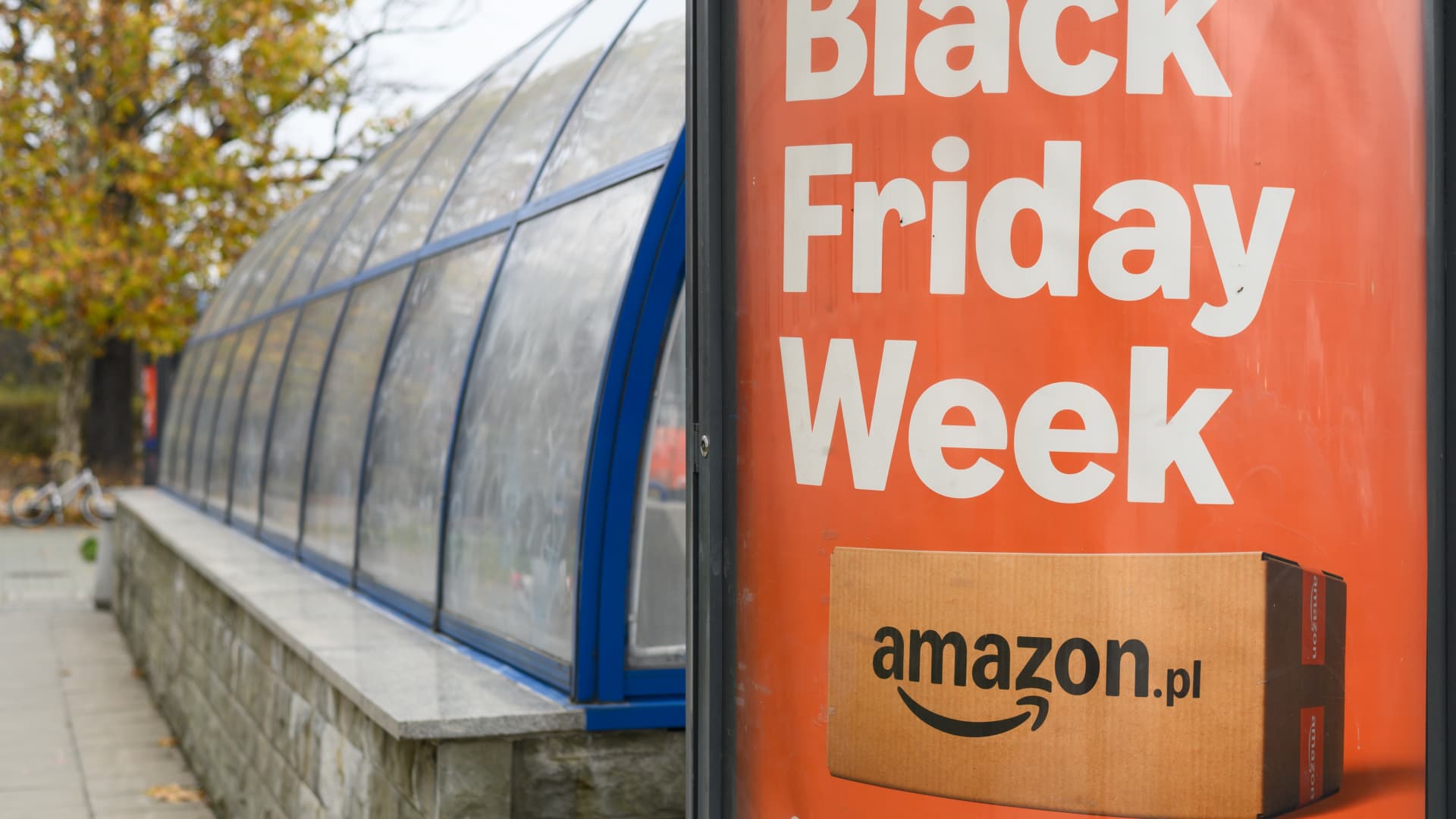
Among low-income customers who are reducing their spending at Walmart stores, 51% consider Amazon as an alternative option, surpassing local grocery stores and dollar stores.
This competition has cost Walmart one of its titles. This year, Amazon ended Walmart's streak of 13 consecutive years as the top company on the Fortune 500 list. Now, Walmart ranks second on the 2026 Fortune 500 list, with revenues of $713.2 billion.
Furna's response is to bring every aspect of the business into this competition. "From membership and agency shopping, to new uses of stores and delivery networks, we are integrating the best parts of Walmart to better serve our customers and create new growth opportunities," he said.