

The Nasdaq Composite Index is rebounding strongly, and investors are returning to AI stocks after the sell-off led by tech stocks last week.
NVIDIA's stock price soared by nearly 30%, while AMD rose by about 10%. The upward trend also spread to semiconductor and AI infrastructure-related stocks.
This rebound stems from a sharp reversal in market sentiment regarding NVIDIA, as well as renewed buying on dips after the AI transaction suffered a heavy setback.
Nasdaq is experiencing a strong rebound, with AI stocks rebounding after a brutal sell-off last week, NVIDIA soaring by nearly 30%, and AMD rising by about 10%. Semiconductor stocks are leading the gains, as investors return to tech stocks that were heavily hit during the recent market downturn.
This rebound marks a clear reversal in Wall Street sentiment, but Monday's rise also brings a bigger question: what exactly has changed? Is the AI trading recovering, or is it just a temporary relief rebound?
NVIDIA led the rise of AI stocks, with its market value once increasing by $1 trillion
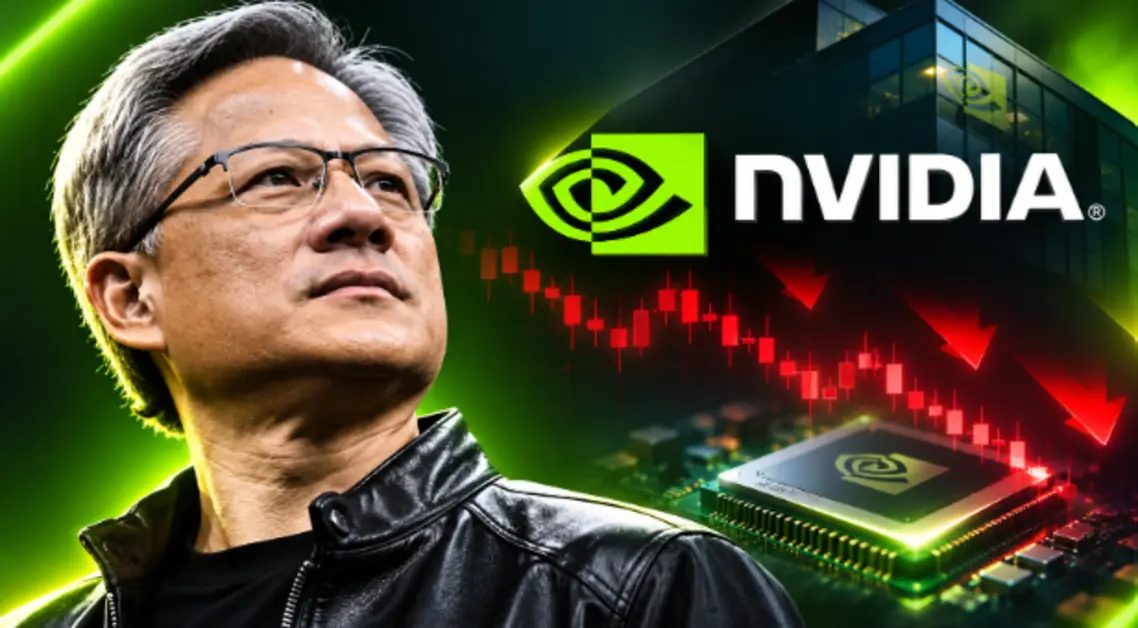
After reports that NVIDIA CEO Jensen Huang met with U.S. President Donald Trump, NVIDIA's stock price soared by nearly 30%, which triggered a sharp reversal in investor sentiment. The report stated that this rise added nearly $1 trillion to NVIDIA's market value within just a few minutes, making the chip manufacturer the biggest catalyst for the rebound in AI stock prices on Monday.
During the period of NVIDIA's stock price increase, the company's market value increased by nearly $1 trillion in just 10 minutes, highlighting this sharp fluctuation. NVIDIA's significant rise also drove up its semiconductor peers; AMD rose by about 10% as investors repurchased the undervalued AI shares after selling them last week.
AI Infrastructure stocks are also participating in the rebound, with data centers and cloud computing companies recovering from recent declines. The overall upward trend indicates that investors are making purchases across the entire AI ecosystem, not just focusing on NVIDIA.
What changes occurred after the sell-off last week?
Last week's sell-off was due to increased concerns in the market regarding the valuation of AI, massive capital expenditure commitments made by tech companies, and the uncertainty of how quickly these investments will be converted into profits.
As investors question whether the infrastructure spending of AI can continue at the current level, the pressure is further increasing. The uncertainty around NVIDIA's leadership, as well as concerns regarding the broader AI investment cycle, have also exacerbated the selling pressure, driving down tech stocks.
The reversal on Monday indicates that some of those concerns may have been overshadowed by renewed confidence and aggressive buying at lower levels. Investors are also responding to the extent of last week's declines. After significant drops in valuations and stock prices, some traders seem to find AI stocks, particularly those with strong profit growth and verified demand, to be attractive.
AI has rebounded?
Despite a strong rebound on Monday, the broader debate surrounding investments in artificial intelligence remains unresolved. Tech companies continue to invest billions of dollars in building AI infrastructure, but investors increasingly hope to see that these expenditures lead to sustainable revenue, profits, and cash flow.
This issue remains at the core of the valuation of semiconductor companies, cloud service providers, and data center operators. Therefore, this rebound may merely be a technical correction following aggressive selling, rather than a clear reversal of a broader trend.
The economic data to be released soon, corporate financial reports, and the progress regarding expenditures related to AI may determine whether this upward trend can continue beyond Monday. Investors will also be watching whether NVIDIA and other semiconductor stocks can maintain their gains, as the market is re-evaluating the prospects of this sector.
The rise on Monday brought a strong rebound to the AI trades, but Wall Street's main concern remains: whether the growth of this industry can justify its large investment cycle. Currently, investors are buying on dips, but whether this recovery can continue is the real test.
CoinPedia has been providing accurate and timely updates on cryptocurrencies and blockchain since 2017. All content is created by our team of analysts and journalist experts, and follows strict editorial guidelines based on E-E-A-T (experience, professionalism, authority, credibility). Each article undergoes fact verification against reliable sources to ensure accuracy, transparency, and reliability. Our review policy guarantees a fair assessment when recommending exchanges, platforms, or tools. We strive to update all content related to crypto and blockchain in a timely manner, covering everything from startups to industry giants.