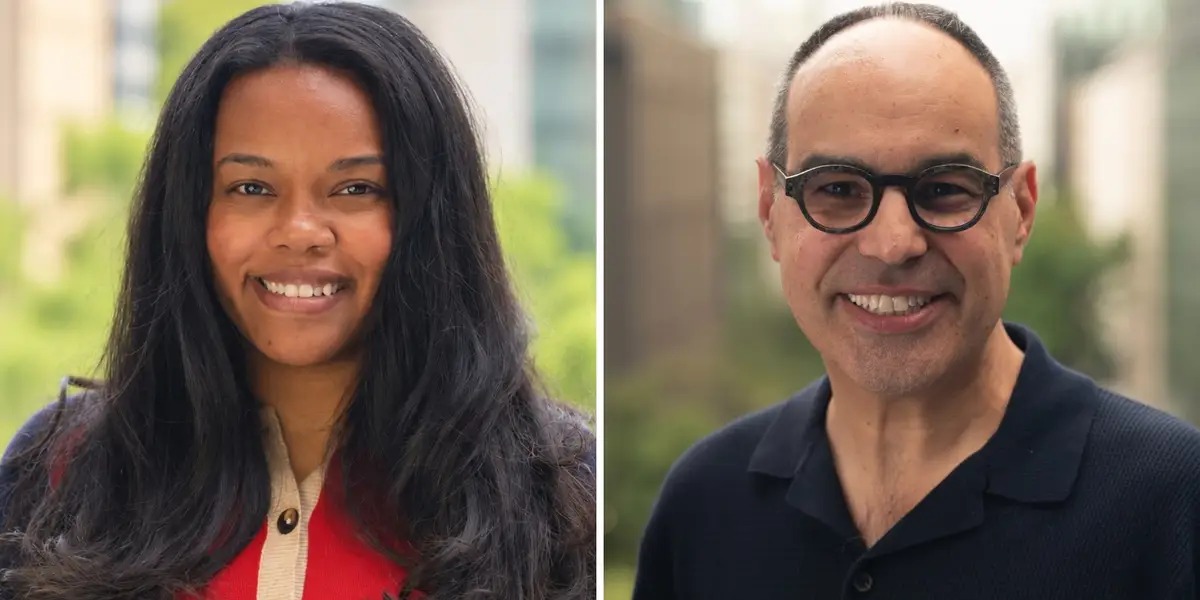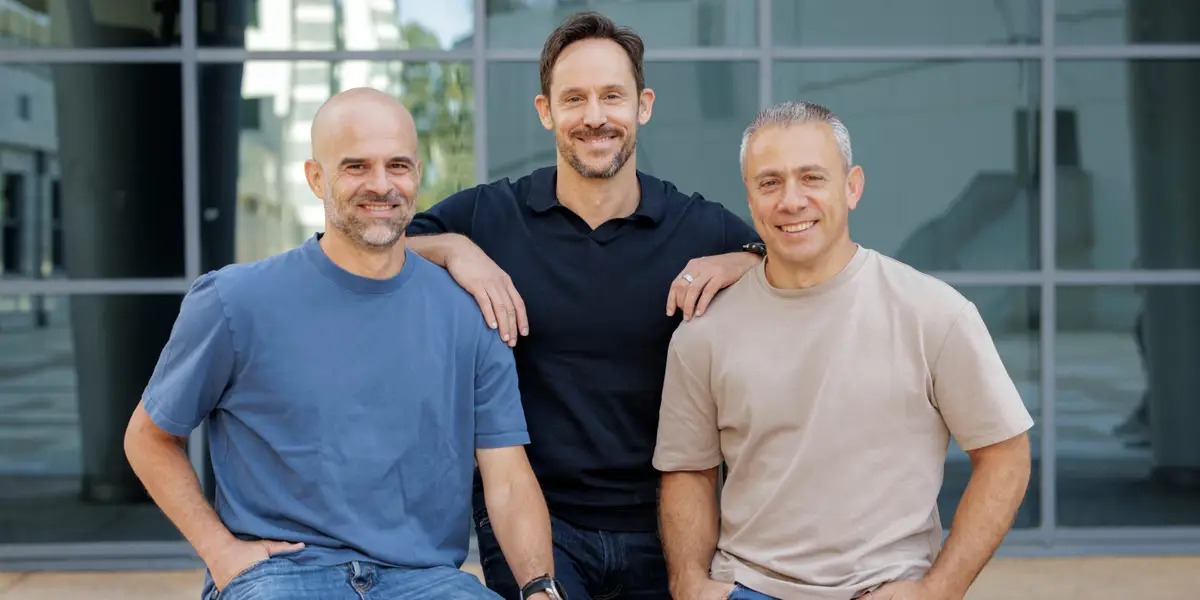


Three former Goldman Sachs executives have raised $320 million for the second fund of their venture capital firm, and they have been leveraging their relationships with the bank to help in fundraising.
Sarel Eldor, Amit Pilowsky, and Danny Akerman founded Key1 Capital in 2022, which is a venture capital firm in its later growth stage. Prior to that, they worked at Goldman Sachs' Israel office for many years.
Key1 indicates that the majority of funds for the second fund come from institutional investors and family offices, in addition to which nearly 10 limited partners are current or former senior executives from Goldman Sachs.
Previous clients also participated in this fund – among the 25 limited partners, 20 are founders who collaborated with the Key1 team during their time at Goldman Sachs. Some of these old clients are still mentors for founders currently supported by Key1.
Investors are optimistic about Israel's growing entrepreneurial ecosystem, especially the highly concentrated AI companies within it. According to a report by IVC Research Center, Israeli tech companies raised approximately $4.1 billion in financing during the third quarter of this year, compared to $2.4 billion in the same quarter last year.
These three founders stated regarding Business Insider, that they are particularly optimistic about the opportunities in Israel's AI infrastructure and cybersecurity sectors.
“This opportunity is just as good as when we started our first fund, and possibly even better,” said Pilowsky. “On one hand, more founders are eager to build bigger companies; on the other hand, AI serves as a powerful driving force for every outstanding founder.”
During their tenure at Goldman Sachs, the co-founders of Key1 typically worked with mature companies that were considering mergers and acquisitions or preparing to go public. They stated that this experience shaped their current investment strategies.
"Through a lot of repetitive training, you will know which companies you are actually willing to take public, sell, or raise funds for," says Eldor. He once served as the CEO of Goldman Sachs Israel.
"The underwriting work for later-stage investments is very fundamental. This is not about 'what will happen in 15 years' or 'what might possibly occur.' You have real key performance indicators. You have a market; you have information, financial, and operational data," he added.
Who do you know?
Eldor and Pilowsky – the latter once served as the head of Goldman Sachs' EMEA Cross-Markets Business Group's Consumer and Retail Business – have been collaborating for 20 years and helped Goldman Sachs establish an office in Israel in 2007.
Akerman claims to be the "last person to join the trio," and he joined Goldman Sachs in 2011, where he took on the role of head of the firm's technology, media, and communications investment banking business in Israel.
In 2020, they came up with the idea of founding Key1. At that time, they noticed a gap in late-stage investment in Israel's venture capital market, so they decided to take the risk of leaving the "not the worst job in the world" as described by Pilowsky.
The influence of this investment bank on them is not only reflected in their network but also shaped their strategies. The three individuals stated that they have collectively evaluated and contacted hundreds of companies. Pilowsky said that this has taught them a valuable ability to “recognize patterns.”
They said that working together under the immense pressures of the Great Depression, economic downturns, and pandemics built mutual trust between them, and also taught them how to understand each other's communication styles. Compared to those funds where investors may have a sense of territoriality regarding their own projects, an environment characterized by lower self-esteem and a more humble attitude gives them an advantage.
"Some funds seem to be fighting their own battles: 'This is my portfolio. I don't care about your portfolio. These are my decisions,'" said Akerman, "But we're not at all like that. Not only because of our personalities, but also because the training we received at Goldman Sachs is such that we approach things this way."