Key Points
- Due to the bankruptcy of Meritage Hospitality Group, hundreds of poorly-operating restaurants are facing closure.
- Wendy has proposed to acquire 163 restaurants under Meritage.
- Wendy recently also rejected a $1.4 billion acquisition bid.
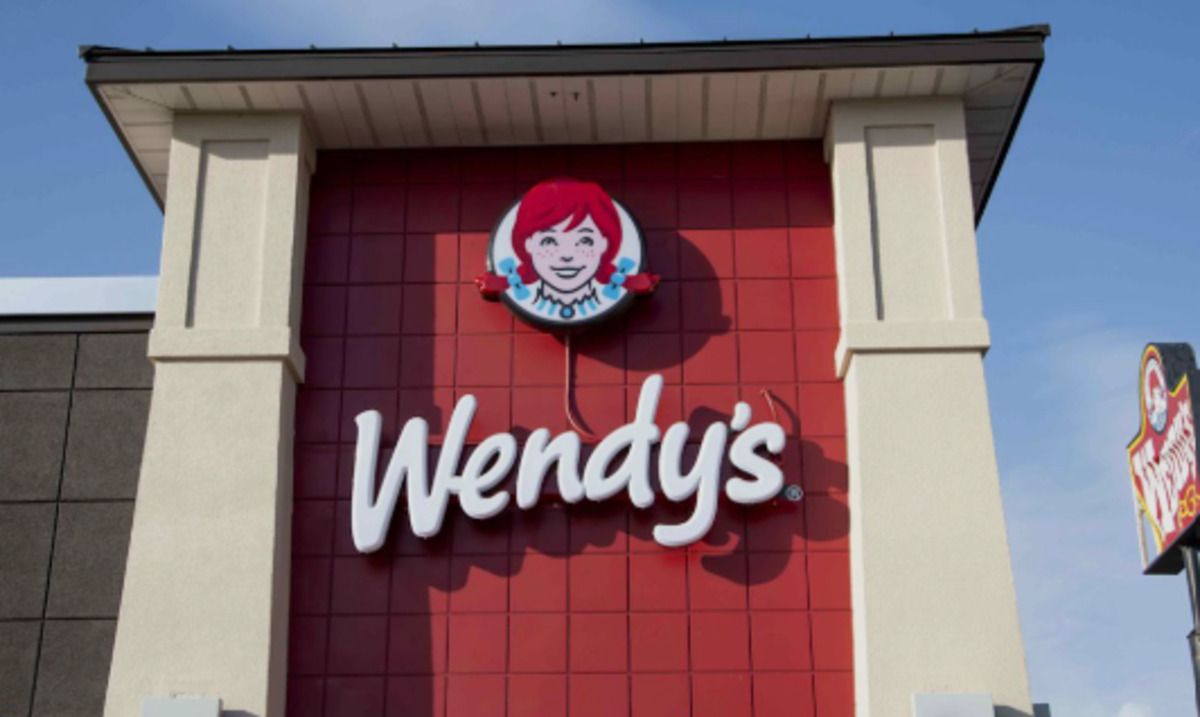
As American stores continue to close, Wendy's is facing pressure. However, the fast-food giant is currently attempting to acquire 163 stores from a bankrupt franchisee for approximately $46 million.
Throughout 2026, this chain restaurant company has been reorganizing its operations. In order to improve profitability, management has identified hundreds of stores as targets for closure.
The number of Wendy's stores closing continues to increase.
One of Wendy's largest franchise operators, Meritage Hospitality Group, filed for protection under Chapter 11 of the U.S. Bankruptcy Code on September 17, 2026, due to declining revenue, rising operating costs, and increased debt pressure.
Meritage operated 314 Wendy's restaurants before filing for bankruptcy. According to reports, since entering the bankruptcy process, the company has closed at least another 41 Wendy's stores.
These closure actions also coincide with Wendy's own reorganization plan. Earlier this year, Wendy's announced plans to close around 298 to 358 underperforming restaurants in the United States in order to strengthen its remaining store network.
Wendy plans to bid $46 million to acquire 163 restaurants
Despite the continuous closure of stores, Wendy's still proposes to acquire 163 restaurants under Meritage for approximately $45.9 million in net cash. The proposed agreement also includes an additional payment of $6 million for 4 restaurant properties, which means the total cash expenditure could reach about $52 million.
Wendy will act as the initial bidder in this bankruptcy sale, and other bidders will be allowed to submit higher offers.
However, this transaction still requires approval from the bankruptcy court. According to reports, a hearing scheduled for November 24 will address the proposed settlement plan and bidding process, after which the landlord and other relevant parties have already raised objections.
This acquisition may give Wendy more control over restaurant operations, while also preventing more stores from falling into financial difficulties.
Wendy rejects a $1.4 billion acquisition offer
At the same time, Wendy also rejected another acquisition proposal totaling $1.4 billion. This proposal was led by Trian Fund Management under the umbrella of billionaire investor Nelson Peltz. The investor consortium offered to acquire Wendy for $7.35 per share, but Wendy's board of directors believed that this bid undervalued the company's long-term prospects.
Thereafter, the company adopted a shareholder rights plan aimed at preventing unwanted acquisitions.
This series of actions occurred after the company's third-quarter performance was disappointing. Wendy's reported a 5.7% decline in same-store sales in the United States, and net profit fell by 65.9% to $15.1 million. CEO Bob Wright introduced a turnaround strategy called “Dave's Way,” which focuses on attracting customers, improving restaurant profitability, and strengthening the brand.
With more stores closing, major restaurant acquisitions still to be pursued, and increasing acquisition pressure, Wendy's is in a critical period as it attempts to reverse its declining performance.