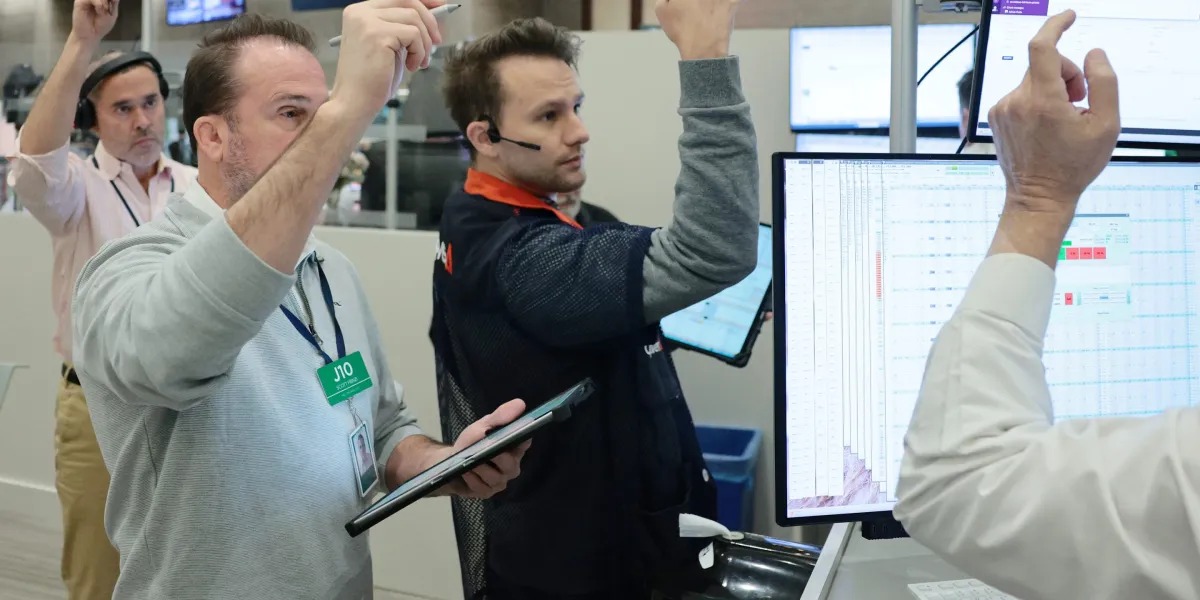
The Dow Jones Industrial Average and the S&P 500 index, along with NASDAQ, fell into a correction zone. AI stocks continued to decline, but 2026 is also coming to an end, and Wall Street has already begun to make predictions for 2027.
Analysts believe that there will still be steady gains in the future, as the U.S. economy is expected to continue to progress supported by the continuous spending of large-scale cloud service providers and resilient consumers. Some also welcome the recent declines, believing that they will help to cool down a potentially overheated market and squeeze out bubbles.
Even this round of selling off this week, which recorded the worst weekly decline since the early stages of the COVID-19 pandemic, is largely seen as being driven by sentiment rather than a deterioration in fundamentals.
Macquarie Capital, the head of global trading strategy at Viktor Shvets, said in a report on Friday: "This does not mean that a rush into action is always meaningless, nor does it mean that a palpitation never indicates a heart attack, but today's panic does not seem to be like the bursting of a AI bubble."
Founder ETFs's portfolio manager and partner, Michael Monaghan, joked that the market is 'selling first, then asking questions.' Harris Financial Group, the managing partner, Jamie Cox, predicts that investors will 'return to rationality' and turn their attention to what can boost consumption, namely GDP.
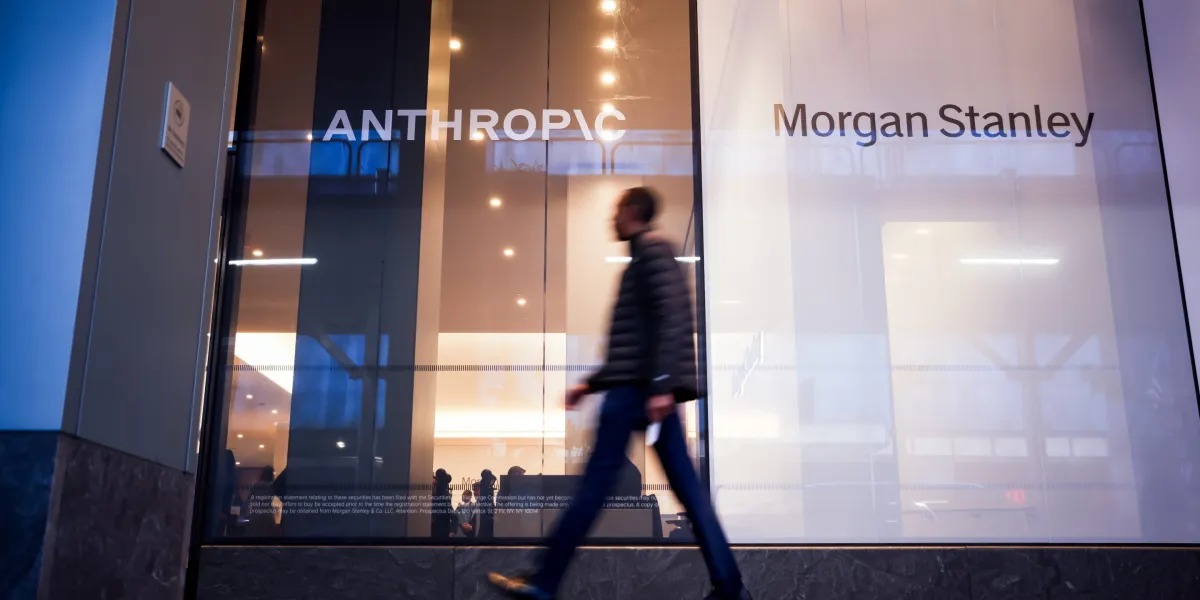
Meanwhile, Michael Wilson, the chief equity strategist for Morgan Stanley in the United States, stated earlier this week that the S&P 500 index is expected to close at 8,700 points by the end of 2027, which is 26% higher than the current level and also represents a 15% increase from when he made this prediction.
He wrote, "We see that the current medium-term transition is coming to an end, and 2027 will set the stage for a more stable medium-term period."
Goldman Sachs also believes that this broad market index will rise to 8,700 points next year, “although the volatility will be higher than in recent years.”
The chief global equity strategist, Peter Oppenheimer, stated that although corporate earnings growth will slow down, inflation, bond yields, and oil prices are also expected to moderate. "We expect the bull market in stocks to continue."
Predictions from other institutions are not so optimistic, but they remain relatively positive. UBS Global Wealth Management expects the S&P 500 to reach 8,200 points next year, which means a 19% increase from last Friday's closing price.
Although the institution believes that profits will continue to grow in 2027, what Wall Street is concerned about is whether the investment cycle can support profits into 2028, UBS explained.
"The risks of self-eradication, financing, and execution surrounding AI have increased, while the concentration of expectations and indices remains high," UBS added, "Therefore, the market will be more sensitive to earnings falling short of expectations or further increases in discount rates."
Wells Fargo's outlook for the S&P 500 in 2027 is also 8,200 points, assuming that profit growth will also slow down.
However, Federated Hermes, the Chief Investment Officer of stocks, set a target of 10,000 points by the end of the year, which is equivalent to a 45% increase from the current level.
He downplayed the results of this month's mid-term elections. In these elections, the Democratic Party swept through Congress and several state capitals. Wall Street is concerned that this "blue wave" could slow down the AI infrastructure boom, but Chiavarone stated that the risks involved are being exaggerated. Even a slight slowdown would be considered positive.
"If data center construction slows down moderately, it could provide more time to catch up with cash flows, alleviate inflationary pressures, and make this round of investment boom more sustainable," he believes.
A slowdown in price growth could also prevent the Federal Reserve from raising interest rates further. As policymakers become increasingly impatient with inflation remaining above the target of 2% for over five consecutive years, the Fed's stance has also become more hawkish.
Although Wall Street expects more tightening in the coming months, some analysts also predict that interest rates may be cut later in 2027 as inflation cools down. However, this is based on the assumption that the Iran war will end at some point next year.
Currently, Modera Wealth Management's Chief Investment Officer Gaurav Mallik describes this round of market decline as a "common correction," stating that the leading sectors in the market are shifting from technology stocks to industrial and financial sectors.
"The stock market correction has paved the way for 2027, and we expect that year to see a growth rate in the mid-to-high single digits," he added. "Valuation multiples are contracting, and total returns depend on earnings growth, which currently looks strong for 2027."