The second wave of suspected cyberattacks targeting supermarket cooling systems has raised an urgent question: how can retailers protect their critical operational technologies while maintaining essential remote services?
Copenhagen, Denmark, November 2, 2026 / PRNewswire / Several European chain supermarkets have reported that a new round of suspected cyberattacks has recently occurred, affecting their cooling systems. Just a few weeks ago, it was reported that attackers manipulated the cooling equipment in hundreds of French stores, resulting in a significant loss of food.
The latest incidents occurred in Sweden, Belgium, and Luxembourg, highlighting an increasingly severe challenge faced by retailers: the operational technologies responsible for ensuring food safety ( OT ) are becoming more and more connected to external systems and service providers; if these connections lack adequate protection, they can pose potential security risks.
Unlike traditional cyberattacks that aim to steal data or disrupt IT services, attacks targeting operational technologies can immediately result in physical consequences. Once a cooling system is compromised, it could lead to food spoilage, operational disruptions, significant financial losses, and potential food safety risks.
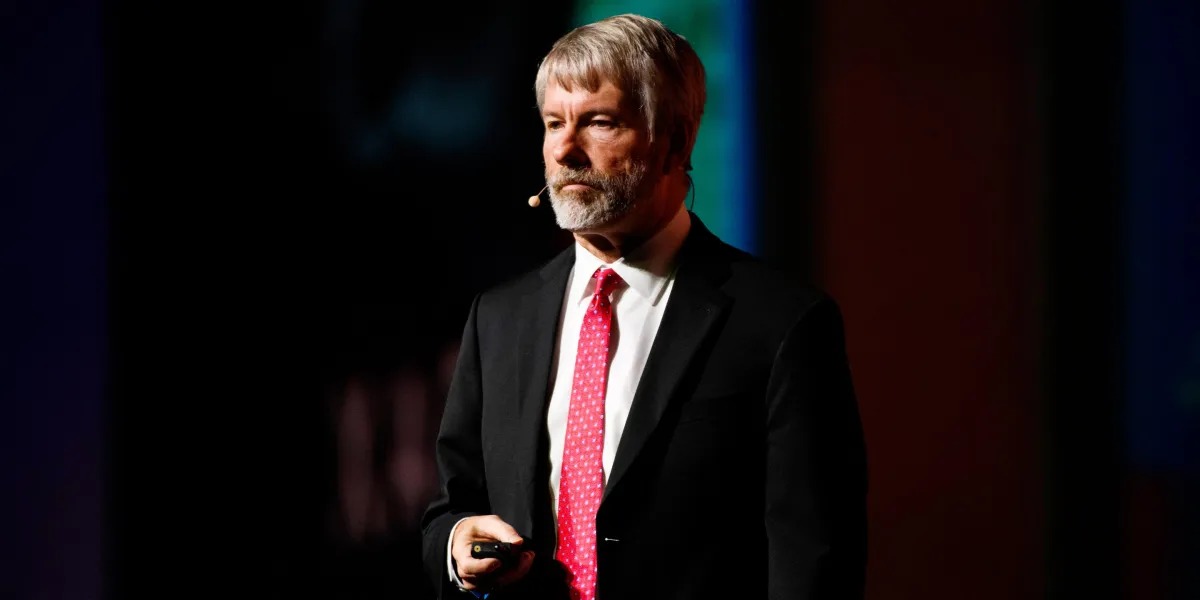
The CEO of Danish industrial cybersecurity company Secomea, Michael Ferdinandsen, stated: "These incidents show that cybersecurity is no longer just about protecting information. When attackers interfere with operational technologies, the consequences can become physical."
He stated, "For retailers, the issue is not whether remote connectivity is needed; they definitely do need it. The question is whether they have sufficient control over who can access the devices, what content can be accessed, and what operations are allowed to be performed."
The challenge lies not in the connection itself, but in how to control access.
Modern refrigeration systems rely on remote connections to operate efficiently. External service providers and maintenance technicians use these connections to monitor temperatures, respond to alarms, diagnose faults, and maintain equipment at hundreds or even thousands of locations.
This type of connection is crucial for reducing response times and preventing device failures. However, it can also provide potential entry points for attackers, especially when the operating devices are directly exposed to the internet or when remote users gain access beyond what is necessary.
For chain supermarkets that manage multiple locations, cooling systems, and external service providers, the challenges become even more complex. Different suppliers may adopt various connection methods, which makes it difficult for the IT and security teams to continuously and uniformly keep track of who can access critical infrastructure.
Michael Ferdinandsen explained, "Many institutions have invested heavily in protecting the environment of enterprise IT, but operating the equipment often presents different challenges."
He stated, "These systems were originally designed to operate stably for many years, even decades. They may not have been designed under today's requirements for connectivity and network security. If we ignore these differences and directly apply the traditional remote access methods, it could lead to unnecessary exposure risks."
Ensure access security without interfering with operations.
Protecting the refrigeration system does not mean that remote connections must be cancelled. On the contrary, retailers need a way to allow external technicians to perform necessary maintenance, while ensuring that access to operational equipment is controlled and accountable.
Specially designed for OT, secure remote access allows for managing connections at the level of individual assets to address this challenge, rather than granting users extensive access to the entire operational network.
Secomea indicates that its native OT architecture can achieve secure connections to operational devices by deploying edge gateways ( Edge Gateways) near those devices. Centralized access management, fine-grained permissions, and audit logs help organizations manage who can connect, which devices can be accessed, and when the access occurs.
This method has already been applied in the retail refrigeration industry. Secomea indicates that in Denmark, the refrigeration monitoring specialist company AK-Centralen is using Secomea technology to provide remote monitoring support for the refrigeration systems of over 1,500 supermarkets. The secure connection enables the company to maintain the necessary monitoring and service operations without the need to directly access the internal networks of the supermarkets.
This case demonstrates that efficient remote maintenance and stronger network security controls can be achieved in parallel.
Operational resilience depends on visibility and control.
The issues arising from the latest incidents are far more extensive than just the supermarket refrigeration systems themselves. From building management and energy systems to production machinery and logistics infrastructure, an increasing number of organizations rely on networked operational equipment that is maintained by external professionals.
As the degree of interconnection in these environments continues to increase, organizations need to manage third-party access in a consistent manner, limit permissions to the devices that users actually need to use, and maintain visibility over remote activities.
Secure remote access is just one part of this type of protection; other measures include vulnerability management, network segmentation, system updates, and continuous monitoring.
Michael Ferdinandsen summarized, "Institutions should not have to choose between maintaining operations and ensuring security."
He stated, "The goal is to support the remote support that modern operations rely on, while also providing the governance capabilities and control necessary for IT and the security team. This is particularly important when the relevant systems have a direct impact on physical operations."
Although the specific methods behind the latest round of suspected attacks are still under investigation, these incidents once again remind people that security breaches in operational environments can quickly escalate into business continuity issues.
About Secomea
Secomea is a Danish industrial network security company that specializes in providing secure remote access for operational technology (OT). Secomea indicates that its products are designed specifically for industrial environments, helping organizations to securely connect to critical equipment, while also providing centralized governance, fine-grained access control, and remote access visibility for IT and security teams.
Secomea indicates that by combining secure operational connectivity capabilities with enterprise-level security requirements, companies help organizations enhance operational resilience, reduce network risks, and maintain control over third-party access.
Built for OT . Approved by IT.