After Trump publicly criticized the profits of major oil companies, refining revenues have soared significantly
CNBC
1h ago
Ai Focus
In August, Trump criticized ExxonMobil and Chevron for making "too much money" amid a supply shortage. CNBC noted that driven by global conflicts, limited refining capacity, and tight refined oil supplies, Shell, BP, TotalEnergies, and ExxonMobil reported significant increases in refining business profits this week, while Chevron's downstream business profits also more than tripled compared to the same period last year.
Helpful
No.Help

U.S. President Donald Trump criticized major oil companies in August, stating that ExxonMobil and Chevron were making “too much money” amid a supply shortage, at a time when profits were soaring due to the U.S. war with Iran.

Corporate earnings released this week show that, against the backdrop of global conflicts, oil giants are still reaping substantial profits from tight fuel supply and high refining profit margins.

Shell, BP, Total Energy, and ExxonMobil have all reported a significant increase in the profit margins of their refined products businesses. This indicator measures the earnings that companies generate after processing crude oil into gasoline, diesel, and aviation fuel.

Chevron did not disclose independent refining profit margin data for direct comparison, but the company stated on Friday that its downstream business profits more than tripled compared to the same period last year, reaching $4.9 billion. The company said this was mainly due to an increase in the profit margin from refined oil sales.

Against the backdrop of increased pressure on global refineries and a tight supply of refined fuel, profits have still risen despite oil companies stating this week that their facilities are operating at near-full capacity to meet demand as much as possible.

Why is the supply so tight?

Key issues include: Ukraine's ongoing drone attacks on Russian refineries, as well as disruptions to the Middle East's energy infrastructure and supply chains related to the war with Iran and attacks by Houthi militants on Saudi Arabia.

These factors, coupled with the closure of refineries in Europe and North America, have occurred despite some new refining capacity being added in other regions.

Dan Jørgensen, the EU Commissioner for Energy and Housing, stated this week that about a quarter of the EU's refineries have closed over the past 20 years, and warned that energy security is facing a "crisis."

In addition to the soaring profit margins of refined oil, higher crude oil prices have also supported the profitability of some major comprehensive oil companies. These companies operate both upstream oil and gas businesses as well as downstream refining operations.

After Russia's full-scale invasion of Ukraine, the profits of these companies have rebounded to levels close to those during the energy crisis in 2022.

The significant increase in profits stands in sharp contrast to consumers facing higher energy prices.

Some analysts suggest that political measures aimed at lowering prices—such as releasing emergency diesel reserves and the agreement between the United States and Russia to supply more diesel to global markets—may have limited impact unless they can substantially increase available supplies, reduce demand, or ease global tensions.

Rafael Portela, head of corporate strategy and analysis at energy consulting firm Wood Mackenzie, told CNBC that despite the ongoing war, crude oil barrels are still being "transported out of the Gulf region," but "the freight premiums are very high," and "the diesel and aviation fuel that these crude oils should have been converted into are largely not appearing on the market."

He added, "The shutdown of Russian refineries and the export ban have taken another large chunk out of the global supply pool."

He listed the conditions that need to be met for this tense situation to end: "An increase in refined oil supply, which depends on the global refining industry obtaining more crude oil supplies: refineries in the Gulf region resuming operations, and Russian exports recovering."

The reconciliation reached in the Strait of Hormuz will quickly reduce profit margins at an emotional level, but with such scarce inventory, the tight physical supply will continue until 2027.

Tip
$0
Like
0
Save
0
Views 30
CoinMeta reminds readers to view blockchain rationally, stay aware of risks, and beware of virtual token issuance and speculation. All content on this site represents market information or related viewpoints only and does not constitute any form of investment advice. If you find sensitive content, please click“Report”,and we will handle it promptly。
Submit
Comment 0
Hot
Latest
No comments yet. Be the first!
Related
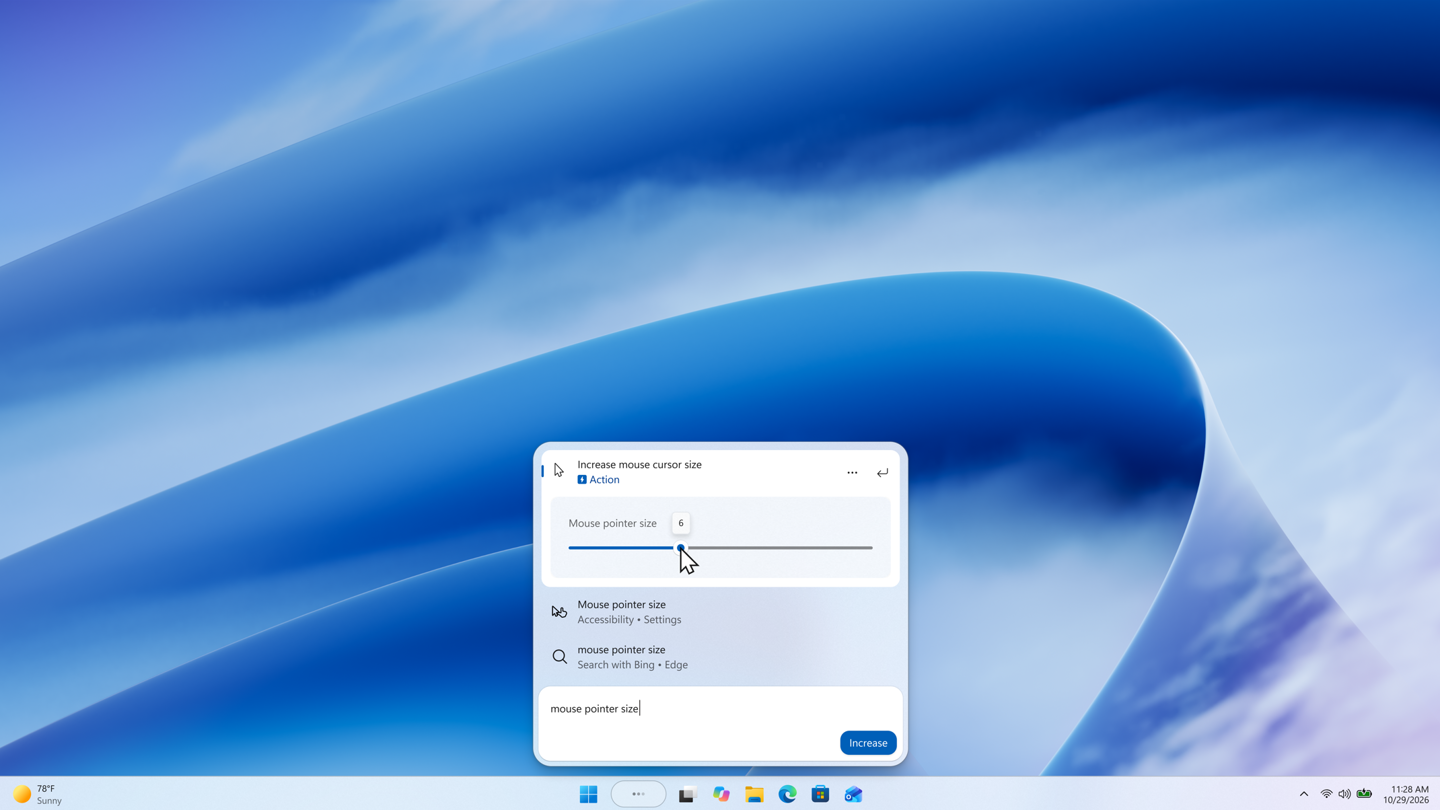
Microsoft releases preview updates such as Win11 26220.9836: Search allows direct adjustment of volume and brightness
On October 30th, Microsoft published a blog post inviting members of channel Windows Insider from Beta and Experimental to test the multi-version preview update of Windows. This update enhances the new Windows search experience, allowing users to directly adjust volume, brightness, and cursor size within the search results, as well as perform phone-related operations such as dialing and sending text messages through Phone Link. Additionally, Microsoft has introduced a new Intune privacy policy for enterprise customers, aimed at limiting the visibility of content in the feedback center.
The Block
·2026-10-31 18:01:40
7
AWS Posts a 39% Increase in Revenue, but AI Expenditures Frighten the Market; Amazon Q3 Faces Deteriorating Free Cash Flow, Drops After Hours
Amazon's net sales in the third quarter increased by 12% year-on-year to $20.194 billion, falling short of expectations; EPS was at $1.89, also below expectations. AWS revenue increased by 39.3% year-on-year to $45.98 billion, and the operating margin rose to 38.7%, but the company's capital expenditures in the third quarter reached $77.26 billion, with free cash flow flowing out by $42.36 billion. The company maintained its guidance for annual cash capital expenditures of about $220 billion for 2026 unchanged. The median forecasts for fourth-quarter revenue and profit were both slightly lower than market expectations, and the stock price tumbled after the earnings report.
Wallstreetcn
·2026-10-31 17:41:06
17
Bitcoin White Paper Marks 18th Anniversary; $63 Billion Hack Incident Reignites Debate Over Custody
On October 31st, Bitcoin's white paper celebrated its 18th anniversary. Coincidentally, after the exposure of a $6.3 billion theft case involving Binance, the market once again focused on the division of responsibilities between self-hosting and third-party hosting. The article reviewed the peer-to-peer electronic cash system proposed in the white paper and summarized the explanations provided by the US SEC Investor Education Office regarding private key control and hosting risks.
crypto.news
·2026-10-31 17:41:03
18
Sandisk Q1 revenue surges nearly 4 times year-on-year, Q2 performance exceeds expectations; data centers remain the core of growth next year
SanDisk releases its financial report for the first quarter of fiscal year 2027, with both revenue and profit exceeding expectations. Revenue increased by 378% year-over-year, and the company provided guidance for the second quarter that is also higher than anticipated. The company stated that the demand for NAND is driven by the growth of AI, and data centers will continue to be the core of market growth in the natural year 2027. Additionally, the board of directors approved a 1:8 stock split.
Wallstreetcn
·2026-10-31 17:41:01
17
Nasdaq Composite Index Falls 2.9%: Why Is the Selling of Tech Stocks Intensifying, and What Will Happen Next?
On October 30th, the Nasdaq Composite Index fell by 2.86%, recording the largest single-day decline since June. As investors re-evaluate the costs and benefits of the AI craze, the selling of tech stocks intensified, and the index is approaching the 200-day moving average, a key long-term support level.
Coinpedia
·2026-10-31 17:10:43
26
View More