U.S. spot Bitcoin ETF attracted $440.8 million in capital inflows over four consecutive trading days as of October 29, with BlackRock holding a large portion of that share, and this occurred before the sell-off triggered by the $6.3 billion hack at Binance on Friday.
Among them, BlackRock’s IBIT contributed $410.6 million, accounting for the largest portion of the total inflows over four trading days, leading other American Bitcoin funds.
On Thursday, the net inflow slowed down to 17.2 million US dollars, as the outflow of funds from two products offset the purchases of other products.
In these four days, the inflow of funds approximately recovered 57% of the funds that flowed out during the previous two loss-making trading days. This statistical period ends on October 29th, therefore the reaction to the Binance security vulnerability on Friday is not included in the total figure.
According to the data from Farside Investors, these funds attracted $110.3 million on Monday, $176 million on Tuesday, $137.3 million on Wednesday, and then recorded a smaller positive inflow on Thursday.
These data indicate that despite Bitcoin being in a difficult period, funds are still flowing into American Bitcoin funds. However, most of the buying activities do not coincide with the times when exchanges were hacked. The statistics over four trading days cover the period from October 26 to 29, while blockchain investigators have identified the large-scale outflow from Binance's main wallet to have occurred on UTC late October 29th.
Therefore, the transactions on Friday are not included in the figure of $440.8 million. As of the time of inspection, the entry for Farside on October 30th has not yet been published.
BlackRock leads the inflow of funds into Bitcoin ETF; IBIT attracted $410.6 million.
BlackRock’s IBIT acquired new funds on each of these four days: on Monday, it attracted $110.3 million; on Tuesday, the investment volume reached $151.5 million; on Wednesday, it was $136 million; and on Thursday, it slowed down to $12.8 million.
Adding these figures together, IBIT attracted a total of 410.6 million US dollars, which accounts for approximately 93.1% of the net inflows in this category during the same period. This ratio is obtained by comparing the total amount of BlackRock with the combined balances of other funds after deducting capital outflows.
Fidelity's FBTC attracted $35 million, of which $24.5 million was on Tuesday and $10.5 million on Thursday. The BITB of Bitwise drew a total of $10.1 million on Wednesday and Thursday, while Morgan Stanley's MSBT received $4.2 million on Thursday.
The outflow of funds from two products dragged down the combined results. On Thursday, there was an outflow of $15.3 million for Bitcoin Mini Trust in the grayscale category, while BTCW of WisdomTree recorded an outflow of $3.8 million.
The total positive inflows within four days amounted to 459.9 million US dollars. After deducting the 19.1 million US dollars that flowed out of these two funds, the net amount was 440.8 million US dollars.
Thursday's trading was noticeably calmer than the previous three days. With $17.2 million in inflows on that day, it was about 87.5% lower than Wednesday's $137.3 million, although four products ultimately recorded positive inflows.
This round of inflow follows a previous outflow of $77.35 million.
According to the table from Farside, the latest round of buying occurred after two consecutive days of negative capital inflows: on October 22nd, investors withdrew $635.6 million, and on October 23rd, another $137.9 million was withdrawn.
In these two days, a total of $773.5 million flowed out, exceeding the total inflow of $332.7 million over the following four days. Calculated based on the rounded daily data, the new capital inflow made up for approximately 57% of the funds that were lost in the previous two trading days.
However, due to the buying activity in the first half of that week, the previous week still ended with a net inflow. From October 19th to 23rd, these funds attracted a total of $301.2 million in net inflow, with $526.7 million on Monday and $524.8 million on Wednesday.
Statistics over a longer time period show different results. crypto.news Previously, based on the rounded daily total from Farside, within 30 consecutive days up to October 26th, there was a net outflow of 254.7 million US dollars.
During this period, IBIT attracted $961.9 million, while FBTC saw outflows of $725 million. The divergence between the two issuers became apparent before the continuous inflows in the last four trading days.
The daily cash flow statement records the net inflow or outflow of funds for each product; it does not identify specific buyers, nor can it determine whether these buying activities are driven by price declines, portfolio rebalancing, or other strategies.
Binance security vulnerability made Bitcoin trading the focus on Friday
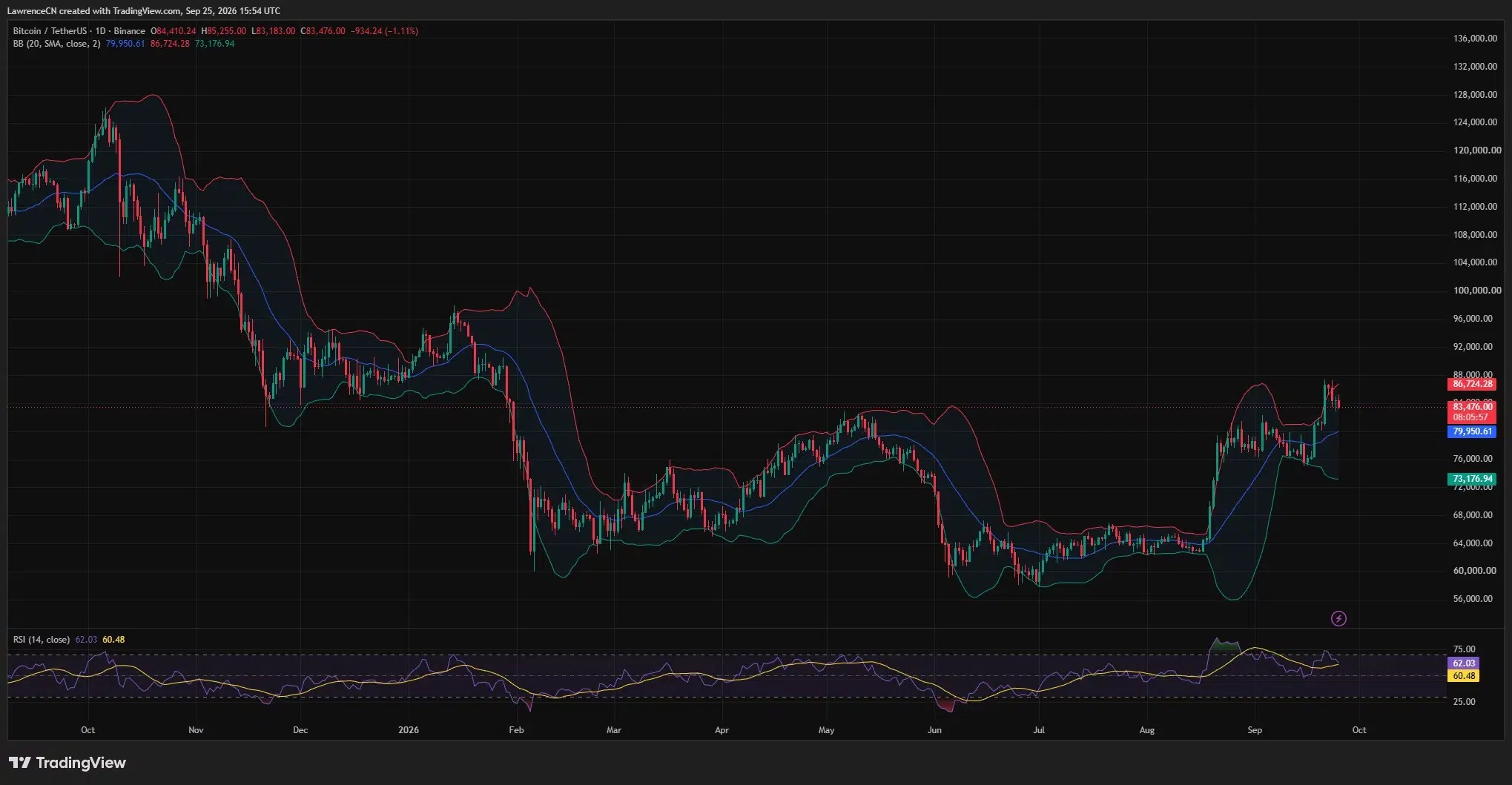
After Binance was hacked, Bitcoin fell below $77,000 in trading on October 30. According to Binance market data cited in the report, shortly after midnight, Bitcoin was at $76,944, and then rebounded to near $78,000 in the latter half of the same day.
The research leader, Bitget Wallet, stated in the report that if Bitcoin can hold the range of $76,000 to $77,000 and return to $80,000 driven by ongoing spot demand, it would indicate that the market is stabilizing. She pointed out that continuous withdrawal restrictions and concerns about reserves may put pressure on lenders and market makers.
In its asset replacement plan, Binance stated that it has reserved over $6.34 billion in company funds, which includes the $5 billion already held and corresponds to the encrypted assets affected by this attack.
The exchange stated that the purchase of the remaining tokens is being conducted through market trading and over-the-counter (OTC) channels. According to their latest updates, due to the limited liquidity of some tokens and the time required for OTC settlements, certain purchases may take longer to complete.