Oracle (Oracle) has significantly raised its long-term financial targets, committing to achieving over $30 billion in free cash flow by the fiscal year 2029, and has embarked on a self-sustaining growth strategy, which to some extent alleviates the market's ongoing concerns regarding its high levels of (AI) capital expenditure.
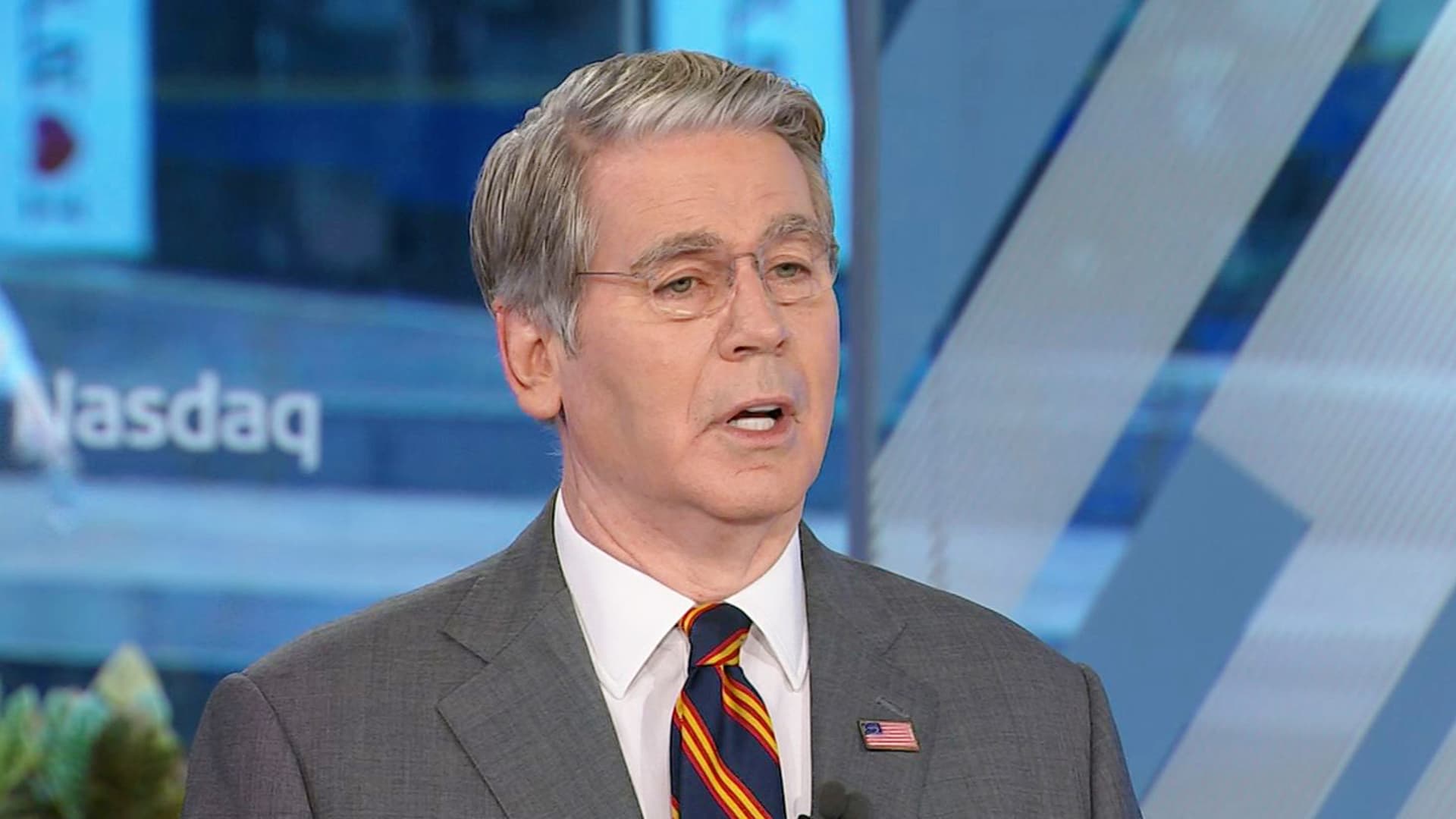
On Wednesday, October 28th, Oracle's Chief Financial Officer Hilary Maxson stated during the Investor Day that Oracle expects its free cash flow to turn positive in the second half of fiscal year 2028 and to exceed $30 billion in fiscal year 2029.
She also expects that capital expenditures will decrease in fiscal year 2029 to support free cash flows of over $30 billion, and she has set a cap on additional financing before fiscal year 2030 at $20 billion.
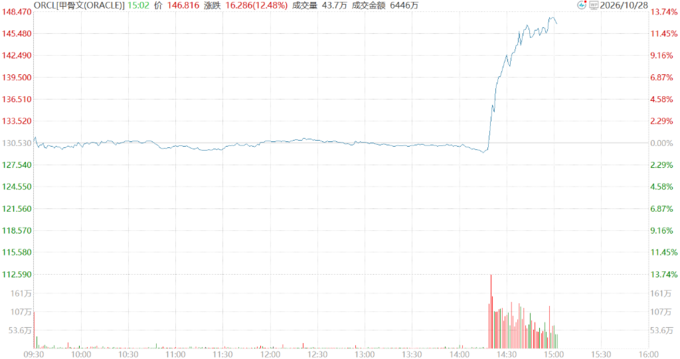
After the announcement of the news, Oracle's stock price soared by more than 13%, reaching a new intraday high. Since the beginning of this year, the stock has lost approximately one-third of its value. This rebound reflects that investors' sentiment regarding the company's financial pressure has improved to some extent.
Oracle is one of the targets that attract a high degree of attention from investors in the current wave of infrastructure investment in AI. Due to its revenue base being far inferior to that of cloud computing giants such as Microsoft and Amazon, and its high dependence on loss-making companies OpenAI, there are ongoing doubts in the market regarding its ability to sustain high capital expenditures.
Oracle released a target roadmap spanning multiple fiscal years on Investor Day.
The company expects its revenue to exceed $225 billion in fiscal year 2030, with an adjusted operating margin of over 40% and an adjusted earnings per share of over $21.
At the same time, the company reiterated its previously announced outlook for the fiscal year 2027: revenue of over $90 billion and earnings per share of $8.10 under non-GAAP (Generally Accepted Accounting Principles), continuing the previous growth trajectory expectations.
Oracle has become one of the focal points for the market to examine the infrastructure costs of AI. Due to the lack of a large cloud business revenue base like that of Microsoft and Amazon, the company faces more prominent cash flow pressures under large-scale AI capital investments. Moreover, its dependence on OpenAI, a single but important customer, exacerbates this risk, and OpenAI is still in a loss-making state at present.
Since the beginning of this year, Oracle's stock price has fallen by about one-third, performing relatively weakly among technology stocks. The cash flow schedule and long-term profit targets disclosed by investors on a daily basis have provided the market with a relatively clear point of reference for realization, triggering a noticeable short-term buying reaction.
However, the aforementioned targets are all set for the fiscal years 2028 to 2030, leaving a considerable time frame for implementation. The subsequent trend of the market will largely depend on whether the company can continue to advance the implementation of the AI business and expand its customer base.