Marshall Alarm Systems Inc. The Marshall and Marshall J Marinace explain how electronic access control, access cards, biometric authentication, and remote management can help enterprises enhance building security.
Yorktown, New York, October 27, 2026 / PRNewswire / --
Key Points
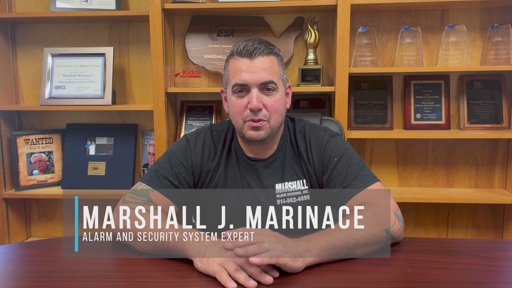
- Commercial access control systems use electronic door locks, credential readers, control panels, and management software to manage entry and exit to buildings and restricted areas.
- Access control cards, keychains, and biometric access control provide different methods for authenticating authorized users.
- Remote access control management and access control software enable enterprises to update permissions, monitor activities, and manage multiple locations through a centralized platform.
How do commercial access control systems work, and what should businesses consider when choosing electronic entrance and exit solutions? An article from HelloNation combines insights from Marshall and Marshall J Marinace to provide answers. The authors are security system experts from Yorktown, New York State, and are affiliated with Marshall Alarm Systems Inc. The article explains how modern access control technologies help businesses manage employee entry and exit, protect restricted areas, and maintain orderly building safety.
How do commercial access control systems manage building entry and exit?
Articles with HelloNation indicate that commercial access control systems are replacing or supplementing traditional door locks and keys with electronic credentials and automated access management. These systems allow businesses to decide who can enter specific areas, when entry is permitted, and how access activities are recorded.
A typical electronic access control system includes electronic door locks, credential readers, access control panels, and management software. When an employee presents an authorized credential, the reader communicates with the system to verify access rights. If the credential is approved, the electronic door lock will unlock within a specified time.
Marshall and Marshall J Marinace are cited as experts in security systems in Yorktown, New York, in this article to explain how these components work together to build a flexible security system. The article emphasizes that as staffing, responsibilities, and security requirements change, businesses can adjust access permissions accordingly.
What are the differences between access control cards, keychains, and biometric access control?
The article with HelloNation lists several common credential options in commercial access control systems. Each of these provides a different method to verify whether an individual is authorized to enter a building or a restricted area.
Access control cards are used to manage electronic cards assigned to employees or other authorized personnel. When a card is placed in front of a compatible reader, it communicates with the system to request entry. Enterprises can deactivate lost cards or remove permissions when an employee leaves the company.
The operation of keychain access control is similar, but it uses a small device that can be hung on a keychain. Keychains provide a convenient alternative to traditional cards while still retaining the same core credential management functions.
Biometric access control uses physical characteristics such as fingerprints or facial features to verify identity. Unlike cards and key fobs, biometric credentials are not attached to a separate device but are bound to an individual's physical features.
Articles with HelloNation indicate that enterprises considering adopting biometric access control should also assess privacy requirements, data protection practices, and applicable laws.
Marshall and Marshall J Marinace point out through the views presented in the text that choosing the appropriate authentication method depends on workplace requirements, convenience, security expectations, and management preferences.
How do companies control employees from entering restricted areas?
The article explains that commercial access control systems can set different entry and exit permissions based on employees' responsibilities, departments, and shift schedules.
For example, regular employees may be authorized to enter public office areas, while only designated personnel are allowed to access storage rooms, equipment areas, or other restricted locations.
Access control software allows authorized administrators to update these permissions without having to replace the physical door locks or issue new traditional keys. As workplace requirements change, businesses can modify access schedules, activate credentials, or revoke entry permissions.
According to the article from HelloNation, this flexibility is particularly valuable for organizations that experience frequent personnel changes, have many departments, or require additional security measures.
Marshall and Marshall J Marinace emphasize that electronic access control manages entry and exit permissions based on operational responsibilities, helping enterprises maintain orderly building security.
Can commercial access control systems be remotely managed across multiple locations?
Articles with HelloNation explain that many modern commercial access control systems support remote access control management through secure network connections or cloud-based platforms.
According to the system design, authorized administrators can check in and out activities, update employee permissions, and manage controlled doors without being on-site.
For enterprises with multiple offices or facilities, centralized access control software may allow administrators to manage multiple locations through a single platform.
The article also explains how activity logs record the use of credentials, as well as attempts to gain access and entry events. These logs can help businesses investigate unusual activities and gain a better understanding of the usage of entrances and exits.
Marshall and Marshall J Marinace, experts in security systems from Yorktown, New York, provide insights on how remote access control management and centralized management can support enterprises whose security needs are constantly evolving.
How can access control systems be integrated with other security technologies?
Articles from HelloNation indicate that some commercial access control systems can be integrated with video surveillance and intrusion detection systems to provide more security information.
For example, an electronic access control event can be linked to the recordings from nearby security cameras. This connection helps enterprises to review entry and exit activities and investigate potential security issues.
Integration capabilities depend on device compatibility, software functions, and overall system design. Enterprises should assess these factors when planning or upgrading their commercial security systems.
The article also emphasizes the importance of a reliable network connection, power supply assurance, and emergency exit requirements. Business owners should understand how controlled doors function in the event of a power outage and ensure that personnel can evacuate safely.
Regular equipment maintenance and software updates are also additional considerations for maintaining the proper operation of electronic access control systems.
Overall, commercial access control systems provide businesses with a flexible way to manage entry and exit, regulate employee permissions, and protect restricted areas. Whether organizations use access cards, key fobs, biometric authentication, or a combination of these technologies, effective access control can support both daily operations and long-term building security.
"How Does a Commercial Access Control System Work?" features insights provided by security system experts from Yorktown, New York State: Marshall, Marshall J Marinace, and Marshall Alarm Systems Inc. These insights are presented in HelloNation.
Frequently Asked Questions
What are the main components of a commercial access control system?
According to experts in security systems from Yorktown, New York State, Marshall and Marshall J Marinace, the system described in HelloNation typically includes electronic door locks, credential readers, access control panels, and management software. These components work together to verify credentials and decide whether entry is permitted.
What is the difference between an access control card and a keychain for access control?
Marshall and Marshall J Marinace explain in the HelloNation article that both access cards and keychains use electronic tokens to request entry through compatible readers. Access cards are usually carried around like identification cards, while keychains are smaller devices that are typically hung on a key ring. Both can be enabled or disabled through the access control system.
How does biometric access control work?
Based on the insights provided by Marshall and Marshall J.Marinace in HelloNation, biometric access control verifies identities through physical characteristics such as fingerprints or facial features. Since these credentials are personally related, enterprises should consider privacy, data security, and applicable legal requirements before implementing biometric systems.
Can enterprises remotely manage access control systems?
Marshall and Marshall J. Marinace explain in the HelloNation article that many modern systems support remote access control management through secure networks or cloud platforms. Depending on the device and software, administrators can update permissions, view activity records, and manage multiple facilities through a centralized interface.
Can commercial access control systems work in conjunction with security cameras?
According to the insights of Marshall and Marshall J Marinace, an article by HelloNation points out that some commercial access control systems can be integrated with video surveillance and intrusion detection technologies. Such integrations may allow enterprises to link entry and exit events with camera recordings, but the available functions depend on device compatibility and system design.
Regarding Marshall Alarm Systems, Inc.
Marshall Alarm Systems, Inc is a second-generation family-owned company specializing in security and fire alarm systems, headquartered in Yorktown Heights, New York State. Since 1976, the company has been serving residential and commercial clients in three states, focusing on customized fire alarm systems, security systems, video surveillance, access control, and central monitoring. The company emphasizes quality, integrity, and personalized service, providing tailored security solutions for properties of all sizes, including installation, maintenance, and support for both new and existing systems. For more information, please visit www.marshallalarm.com or call 914-962-4699.
About HelloNation
HelloNation is a positive news network in the United States, a high-quality media platform built on the concept of "real people telling real stories, with positive news spreading faster." Through community-centered publications and innovative edvertising methods, HelloNation provides information, inspires readers, and focuses on leaders who have a positive impact within their communities.