Newsletter
Brent crude oil rose 2.6% on Thursday to $111.66 per barrel, hitting its highest level in five months; meanwhile, the Nasdaq index fell 1.5%, and the S&P 500 index declined 0.8% in the middle of the morning in New York time.
The South Korean Composite Stock Price Index ( Kospi ) fell by 3.52%, the Japanese Nikkei 225 Index fell by 2.65%, and the Hong Kong Hang Seng Index fell by 3.03%. This is just a week after the Kospi index tumbled 7.57% on October 15th.
The yield on 10-year U.S. Treasury bonds is reported at 5.03%, higher than the 3.97% before the Iran war; the Federal Reserve's next interest rate decision will be announced on October 28th.
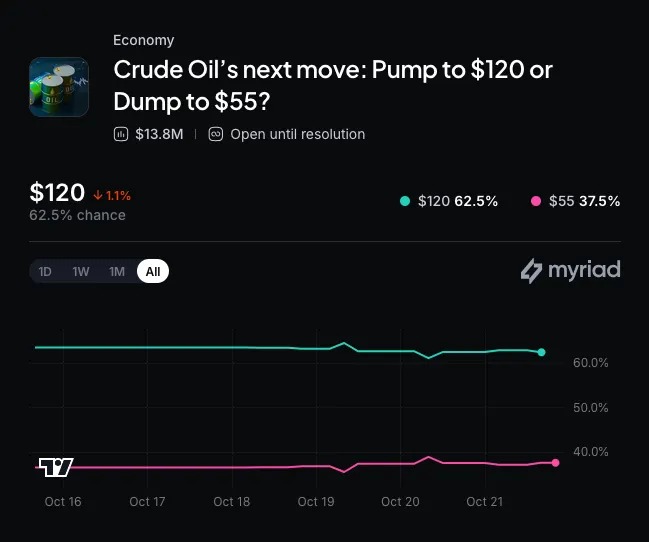
Brent crude oil, which serves as a global oil price benchmark, soared 2.6% on Thursday to $111.66 per barrel, hitting a five-month high. This was due to the decline in stocks related to artificial intelligence, which dragged down the market from Asia all the way to Wall Street.
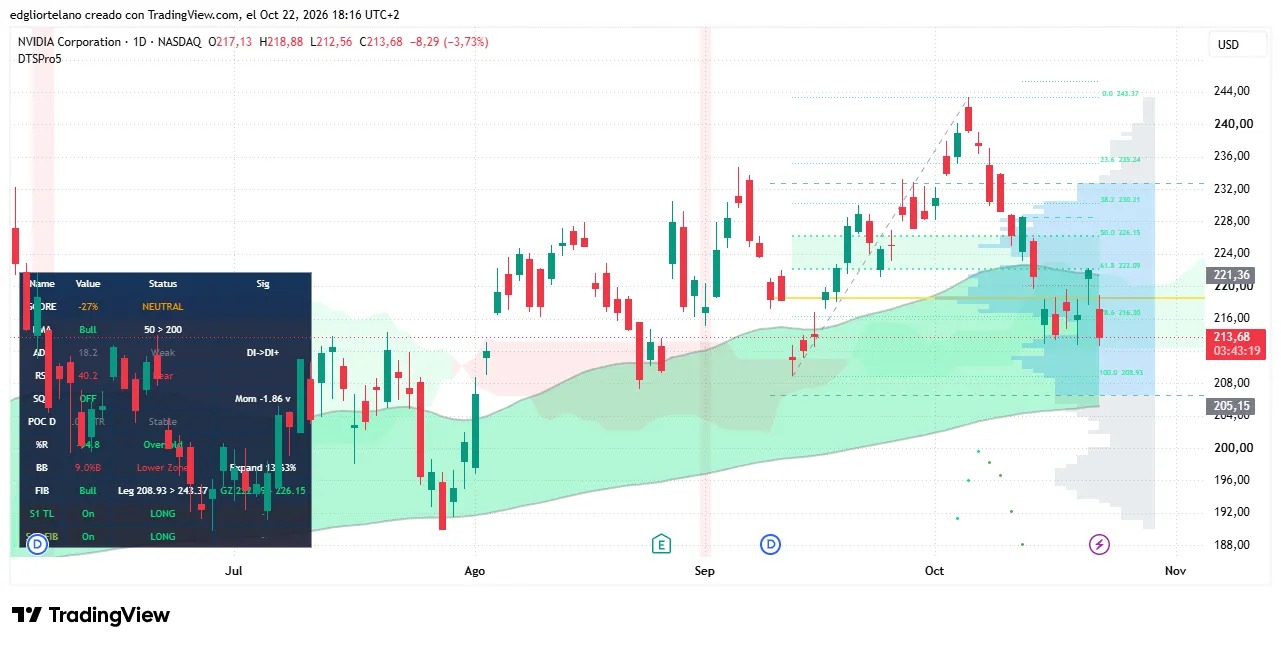
In the mid-morning hours of New York time, the Nasdaq index, which has a higher weight of technology stocks, fell by 1.5%, while the S&P 500 index, which tracks the 500 largest publicly traded companies in the United States, fell by 0.8%.
NVIDIA, which is the largest company in the United States by market value, fell by 2.3%. Due to its high weight in the S&P 500, its stock price decline will be reflected in the index funds held by many retirement accounts. In September, gasoline prices rose by 9.1% in a single month, which means that the same round of oil price shocks that are affecting the stock market have already begun to be reflected in gas station prices.
South Korea's Kospi fell 3.52% after a rebound the previous day, to 5,533.77 points; Japan's Nikkei 225 index fell 2.65%, and Hong Kong's Hang Seng Index fell 3.03%. The China CSI 300 index, which tracks 300 large companies listed in Shanghai and Shenzhen, has entered a bear market, that is, it has fallen by 20% or more from its recent high.
This sell-off occurred after Kospi tumbled 7.57% on a single day on October 15th. Local media referred to that day as "Black Thursday," which triggered the circuit breaker mechanism, a measure to automatically suspend trading in order to calm panic selling. The index is still more than 40% below its June high.
CoreWeave fell 3.8% due to market concerns about its debt issues. This company purchases NVIDIA chips by borrowing money and then rents these chips to other companies through cloud services. Meta fell 5.8% after profits were lower than expected; chip equipment manufacturer Lam Research fell 7.7% after its profit forecast was slightly lower than analysts' estimates.
Citadel Founder Ken Griffin stated on Tuesday that investors are “almost certainly” in the midst of an artificial intelligence bubble. He compared AI chips to airline seats: once purchased, their operating costs are very low, so if the supply grows faster than demand, prices could plummet. He did not advise investors to sell, but in a market that has been oversupplied since ChatGPT was introduced in 2023, this stance still appears counter-trend.
The Federal Reserve's next decision will be announced on October 28th. Market pricing indicates that the probability of another interest rate hike is about 15%, and a hike in December is still widely anticipated. This expectation may have been partially reflected in prices already, but if a hike does occur, it would be unfavorable for the market as it would increase investment costs.
The core PCE inflation data will be released on October 29th. After this indicator, which excludes food and energy prices, the non-farm employment data for October will be published on November 6th.