The trading of so-called "tokenized stocks" is gaining more momentum in the international market, despite many large American companies opposing the promotion of such products within the United States.
According to the latest quarterly stakeholding report released on Tuesday by Bitwise Asset Management, trading activities surrounding blockchain versions of traditional financial assets (including stocks) are on the rise. On Robinhood Chain – which is a new network launched by this brokerage firm for users and AI agents to trade various assets on the chain – the volume of tokenized stock trading soared from $526 million in July to $2.21 billion in August, and then further skyrocketed to $11.31 billion in September.
In the same quarter, among the trading volume of Hyperliquid perpetual contracts, the non-crypto market accounted for 36.5%, which is higher than 32.7% in the previous quarter. In addition, tokenized stocks were also the fastest-growing category on Solana.
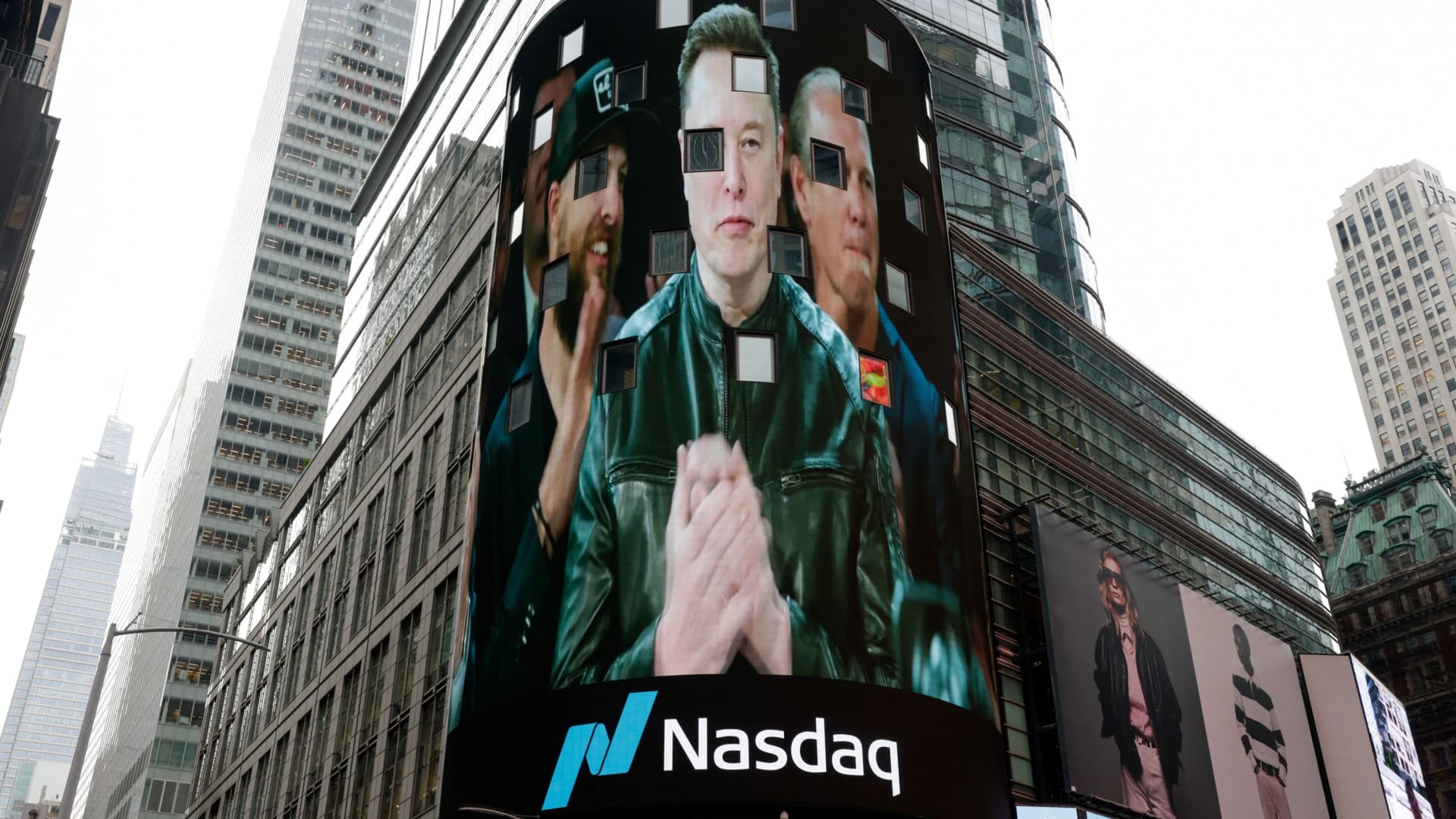
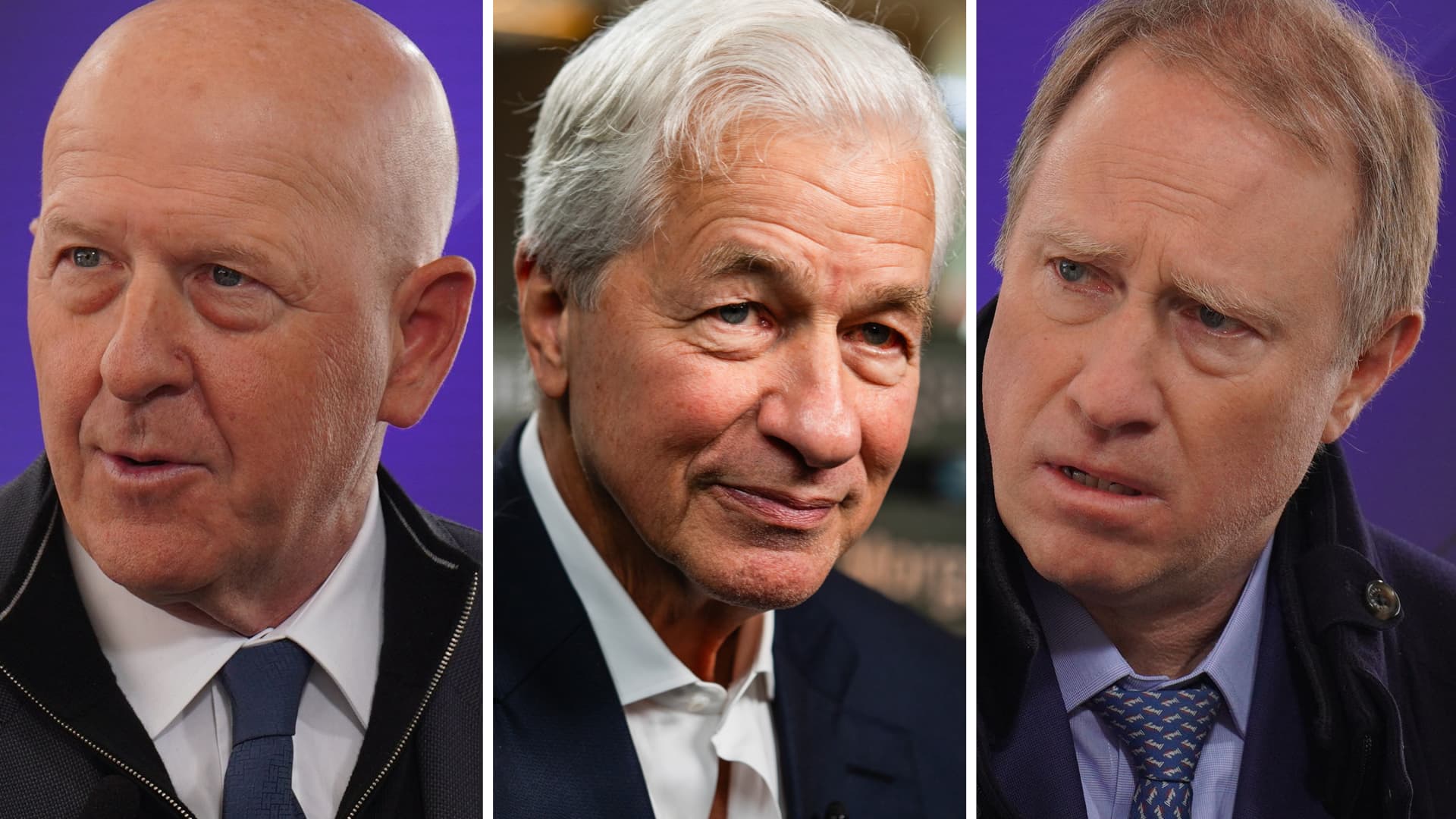
Meanwhile, Goldman Sachs, Microsoft, Qualcomm, Caterpillar, McDonald's, Western Data, and Alphabet have opposed the tokenization of their stocks to be traded on the OKXICE platform. OKXICE is a tokenized securities trading platform jointly launched by the crypto exchange OKX and Intercontinental Exchange (Intercontinental Exchange), the parent company of the New York Stock Exchange.
In a public notice on Monday, OKXICE disclosed the objections of these companies and added them to a list of companies that had previously expressed opposition, which includes CoreWeave, UnitedHealth, Broadcom, Applied Digital, AppLovin, and Cerebras.
This contrast highlights an increasingly intense debate and challenge that the crypto industry is facing: how to persuade companies to accept the tokenization of their stocks. Tokenization—that is, issuing publicly traded securities, real-world assets, or any other form of digital representation of value on a blockchain network—has become a topic of great concern in the market, as blockchain technology holds the promise of enhancing the accessibility and liquidity of various financial assets.
Tokens and Stocks
This also raises the question of what rights should be granted to token holders. At the heart of the debate is whether investors should enjoy the same economic and shareholder rights as traditional stocks, particularly the right to vote. This issue first received widespread attention in September when the CEOs of Robinhood and AMC publicly clashed over the stock token model of Robinhood.
Currently, tokenized stock trading is mainly concentrated in overseas markets, as these regions offer a wider supply of tokenized products. However, after the U.S. Securities and Exchange Commission (SEC) introduced an innovative exemption last month, observers in the crypto industry are paying attention to whether the adoption of such products will increase in the United States. This exemption provides a temporary pathway for tokenized stocks in the U.S., but it requires companies to be able to object if their stocks are to be represented as tokens.
Injective Chief Operating Officer Mirza Uddin stated: "This differentiation ultimately comes down to what is actually being traded. In the offshore market, most of these activities involve obtaining price exposure through on-chain perpetual contracts and wrapped tokens, which never require company permission; whereas the American framework attempts to bring real stocks onto the chain, which gives issuers a voice."
He added, "Currently, companies like Goldman Sachs and Microsoft see only the risks and no upside potential. There are tokens that are traded 24/7 without any control over them, and the voting rights are not clear. Unless the industry can demonstrate to issuers what they can offer—a global base of shareholders and a market that never closes—growth will continue to occur overseas, while the United States is still debating whether to issue licenses."
ClearStreet Analyst Owen Lau indicates that companies may not have fully realized all the benefits of tokenization, and he expects that in the end, some companies will adopt it.
He said, "Some companies will agree, or they won't object to it, because there are benefits... including expanding the investor base, providing 24/7 trading access, and increasing distribution channels. Some stocks that have suffered significant setbacks and have lower trading volumes might be good candidates."
Lau explained that in addition, the company will also benefit from higher visibility, direct dividend distribution, and cost savings. For investors, tokenized assets can also serve as collateral on decentralized finance (DeFi) platforms, thereby providing greater flexibility and control.
Co-Chairman OKXICE stated in a statement: "This is a very natural reaction. This model is designed to give companies the right to decide whether to join or exit. We have always anticipated that, given the drastic and revolutionary nature of this change, many companies would prefer to observe its progress before becoming among the first participants."
He added, "The model of SEC is designed to accommodate both approaches. There are limitations on the number of companies participating and on the tradable volume... You will see two types of reactions, depending on the company itself, its attractiveness to the global market, and the trading venue it chooses."
As of Wednesday, 16 companies have opposed the tokenization of their shares to be traded on OKXICE. This does not mean that they or other companies will oppose every tokenization attempt by related companies, but it highlights their opposition to trading their shares through this particular model and platform.
OKXICE first disclosed on October 4th that it would offer trading for over 60 tokenized stocks on its platform. According to the innovative exemption of SEC, the platform is required to notify the relevant companies of its intention to tokenize their stocks, and only 30 days after receiving the notification can the trading of these tokens begin.
Lau indicates that "this differentiation is not driven by the differences between U.S. and non-U.S. markets, but rather by the differences between investors and issuers. There is demand on a global scale... This is precisely where the industry can better clarify to issuers what benefits they can actually gain if they are willing to tokenize their stocks."