

A project planned to be launched in Bermuda aims to record legal ownership on the blockchain and raise capital for disaster risks that still carry high insurance costs.
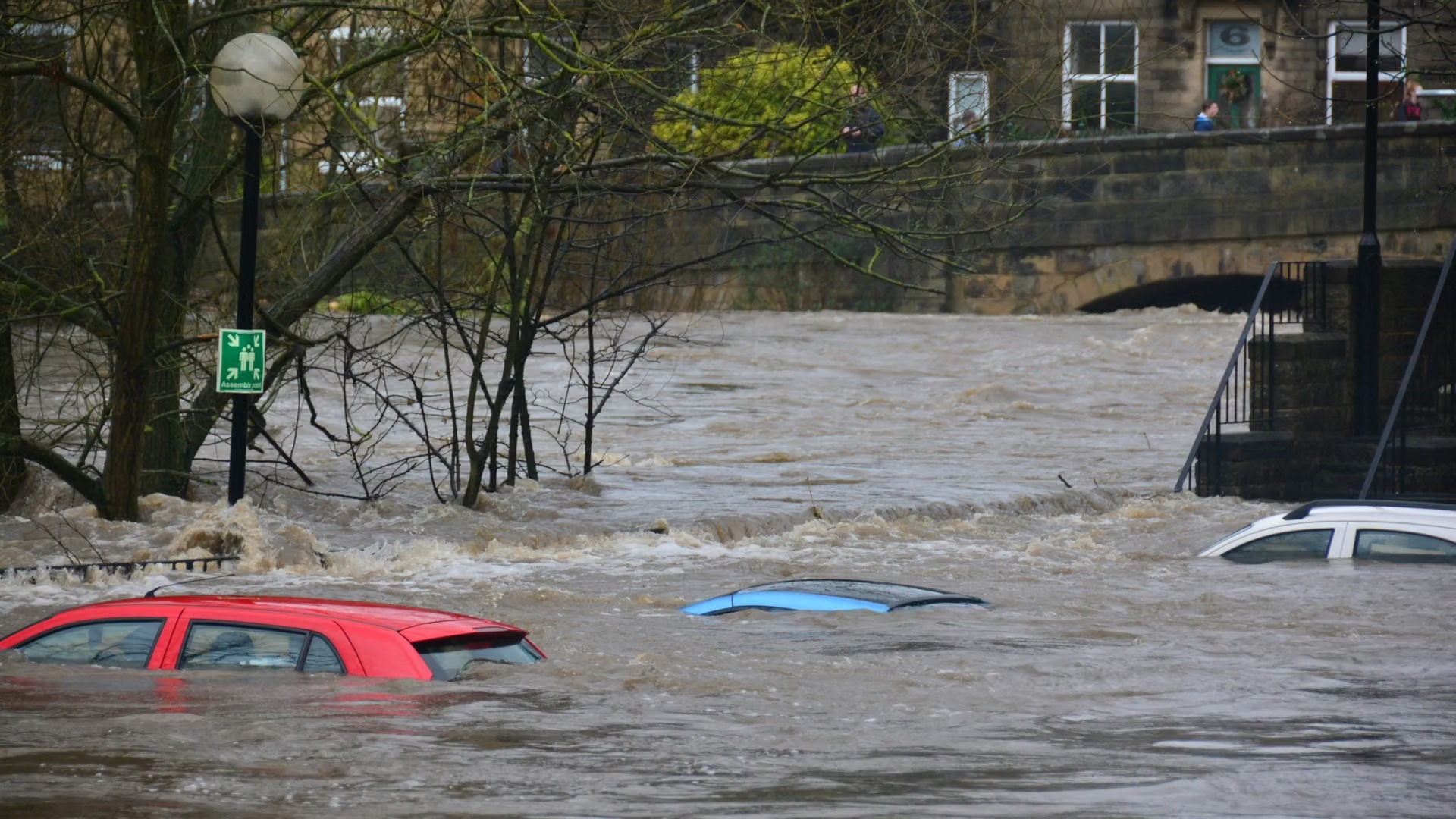
According to data from Swiss Reinsurance ( Swiss Re ), natural disasters last year caused an economic loss of $220 billion, but insurance covered only $107 billion of that amount, with the remaining losses borne by households, businesses, and governments.
Despite the persistent gap in coverage, insurance companies are increasingly transferring disaster risks to investors, driving the catastrophe bond market to reach a size of $65.6 billion in June. According to the latest catastrophe bond report from Artemis, the new issuance volume in the second quarter reached $11.3 billion, setting a new record for a single quarter.
Harneys and dropRWA plan to issue tokenized catastrophe bonds in early 2027, or they may expand the range of investors by allowing for smaller holding shares, but they still need to comply with securities, insurance, and investor protection regulations.
Natural disasters caused an economic loss of $220 billion last year. Swiss Reinsurance stated that insurance covered only $107 billion of that amount, with the remaining portion being borne by households, businesses, and governments themselves.
Funds continue to flow into catastrophe bonds. Catastrophe bonds ( catastrophe bonds, abbreviated as cat bonds) allow insurance companies to transfer the financial risks associated with hurricanes, wildfires, or earthquakes to investors in the capital market. According to a recent report by Artemis, as of June, the outstanding amount in this market was $65.6 billion, and the new issuance volume in the second quarter reached $11.3 billion, which is the highest quarterly total on record.
However, the vast amounts of damage caused by floods, typhoons, and wildfires are still not covered by insurance. The Organization for Economic Co-operation and Development (OECD) states that in 2023, 91% of disaster losses in the Asia-Pacific region were not covered by insurance. The organization also noted that limited claims data and catastrophe models make it more difficult for insurance companies and reinsurance companies to set premiums for coverage, especially in high-risk areas.
Law firm Harneys, which focuses on global insurance business and is headquartered in Bermuda, as well as the tokenization platform dropRWA, plan to issue tokenized catastrophe bonds at the beginning of next year, with each token representing the legal ownership of such catastrophe bonds.
This proposal is built on a traditional market that has traditionally been primarily targeted at professional funds and large institutions. The minimum investment amount for many catastrophe bond products is $250,000 or more. Harneys and dropRWA are considering a structure that can accommodate smaller stakes, while still needing to comply with securities, insurance, and investor protection regulations.
The Chief Executive Officer of the professional insurance group Hearns, Henry Tucker, stated that tokenization will not turn disaster coverage into a type of investment that is casually accessible to retail investors. The capital used for underwriting will be fully locked in to cover clearly defined insurance risks.
In an interview with CoinDesk, he stated: "What you buy is not the right to be paid by someone who placed bets in the opposite direction at a casino."
Tucker mentions that flood insurance and typhoon coverage in Southeast Asia are types of risks that traditional reinsurance companies may find difficult to underwrite, especially when there is limited claim data or uncertainty in loss estimation. Professional underwriting institutions can utilize tokenized structures to raise capital for specific and clearly defined risks, and they can explain the relevant assumptions and the returns offered to investors.
There are already real-world precedents for using catastrophe bonds to finance public disaster protection. In May, the World Bank arranged $200 million in hurricane coverage for Jamaica, replacing an earlier transaction that was set to trigger payouts after the 2025 hurricane Melissa. Jamaican Finance Minister Fayval Williams stated that catastrophe bonds are "an important component of ensuring access to capital market financing" within the country's resilience strategy.
Tucker indicates that tokenization will not make the costs of hurricanes, floods, or wildfires any lower. He also added that it cannot guarantee that people living in risk-prone areas will obtain cheaper insurance. The core argument of both companies is that if tokens serve as legal ownership records, combined with smaller holding units, it may attract more investors to this market designed to absorb extreme losses.