

Tether and Shiga have announced plans to launch self-managed wallets for USD ₮, Bitcoin, and Tether Gold to individuals and institutions in Africa and the Gulf Cooperation Council (GCC) region.
- Shiga plans to launch two products: ENTA for individuals and enterprises, as well as Pulse for banks and fintech companies.
- Users will be able to top up the ENTA wallet with local currency, US dollars, or Bitcoin.
- Institutional clients can use the infrastructure hosted by Shiga, or they can also run wallet software in their own environments.
- Shiga indicates that its Nigerian digital asset intermediary license is still awaiting final approval.
In its announcement on September 28th, Tether stated that both of these products will utilize its open-source wallet development toolkit ( Wallet Development Kit, referred to as WDK ). Shiga will provide one product directly to users, while offering another product to institutions that build payment and fund management services for their clients.
This plan continues the partnership established between the two parties since June 2025. At that time, Tether invested in Shiga Digital. crypto.news reported on this investment at that time, as well as the existing services provided by Shiga to African enterprises, including virtual accounts, foreign exchange, fund management, and over-the-counter trading.
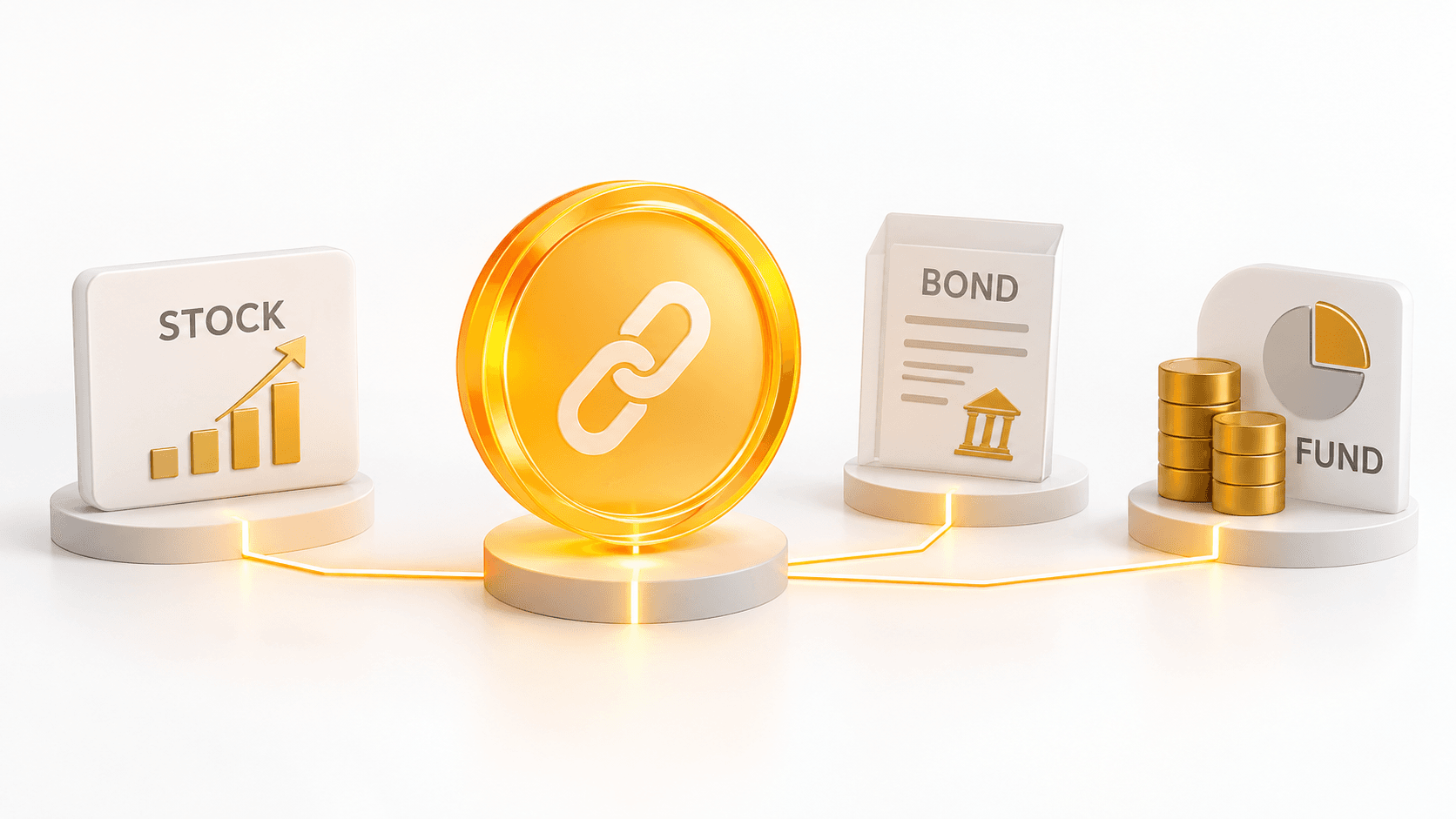
ENTA of Shiga will place three types of assets into the user-controlled wallet.
Under the new plan, ENTA will be targeted at individuals, high-net-worth users, and enterprises. Tether indicates that customers can top up using local currency, US dollars, or Bitcoin, and then hold and transfer USD ₮, Bitcoin, and XAU ₮ through self-hosted wallets.
Recharge options play a different role from the assets held in the wallet. For example, if a customer uses local currency to recharge, it will be used to obtain the supported digital assets; however, the announcement does not specify whether ENTA will hold the local currency as wallet assets. Nor does Tether provide an launch date, a list of countries where it will be first available, or the fees that customers need to pay.
Shiga Focusing on cross-border transfers, it is a time when remittance costs in this region remain high. A report on remittance prices by the World Bank shows that in the third quarter of 2025, the average cost of remitting money to Sub-Saharan Africa was 8.46%, which is the highest average among the recipient regions it tracks. Tether and Shiga neither provided comparable cost estimates for transfers through ENTA.
Tether CEO Paolo Ardoino stated that WDK will enable companies to build products where users retain control over their assets.
"We, together with Shiga, are bringing this infrastructure to markets where people and businesses face real challenges in protecting savings and transferring funds across borders," said Ardoino.
This three-asset solution allows customers to access tokens pegged to the US dollar, Bitcoin, and tokenized gold within the proposed products. Tether has also collaborated with Opera to launch MiniPay, another self-hosted wallet that serves markets including Africa. According to a company announcement reported by crypto.news, in February of this year, MiniPay wallet was expanded to include access to USD ₮ and tokenized gold.
Pulse will allow institutions to choose the software installation location.
For bank, fintech companies, and other institutional clients, Shiga plans to use Pulse as a platform that allows them to make adjustments according to their payment channels, fund management, and settlement processes. CEO Abiola Shogbeni stated that the company will customize products based on each institution's operational needs, rather than providing the same wallet interface to all clients.
Tether indicates that institutions will have two deployment options: they can use the WDK infrastructure managed by Shiga, or they can operate in their own environment while retaining control over keys, data, and funds. The second option is aimed at customers who have specific requirements regarding where data is stored and who controls the system used for signing transactions.
WDK provides the underlying wallet software for ENTA and Pulse. Tether indicates that with just one integration, Shiga can support the blockchain networks provided by this toolkit. Tether describes WDK as an open-source infrastructure for building self-hosted wallets, supporting assets including Bitcoin, USD ₮, and XAU ₮.
This institutional product is planned to be used in the Africa-Highly Integrated Arab States (HIGAS) Corridor, but Tether has not yet named any banks or fintech companies that have agreed to deploy Pulse. The announcement also does not specify the initial payment channels or transaction volumes for these two products.
In the Gulf region, XAU ₮ has obtained a specific regulatory status in Abu Dhabi's global market ( Abu Dhabi Global Market ). In July, Abu Dhabi recognized XAU ₮ as an acceptable spot commodity ( Accepted Spot Commodity ). This status allows companies that have received the relevant ADGM approval to provide services involving this token; however, it does not mean that every company within the Shiga or financial center will automatically be approved.
Nigerian licenses are still under review.
The Chief Operating Officer, Dami Etomi, stated that the company is in the final stages of obtaining a digital asset intermediary license in Nigeria. If approved, this license will authorize Shiga to provide regulated digital asset trading, brokerage, and custody services to individuals and institutions in that country. Shiga has not yet indicated that they hold such a license.
Etomi also indicates that Shiga will operate ENTA on the platform it provides to institutional clients. Therefore, potential Pulse clients will be able to view a real-time Shiga product that utilizes the underlying infrastructure, although the company has not yet specified when ENTA will be launched.
For American readers, this announcement pertains to products that are planned to be launched in Africa and the GCC region; it does not announce any availability in the United States. The rule-making proposal put forward by the U.S. Treasury Department in August specifies when U.S. digital asset service providers may offer payment stablecoins issued abroad. Tether and Shiga do not mention the accessibility of the proposed products in the United States, nor how they will be handled under this proposal.