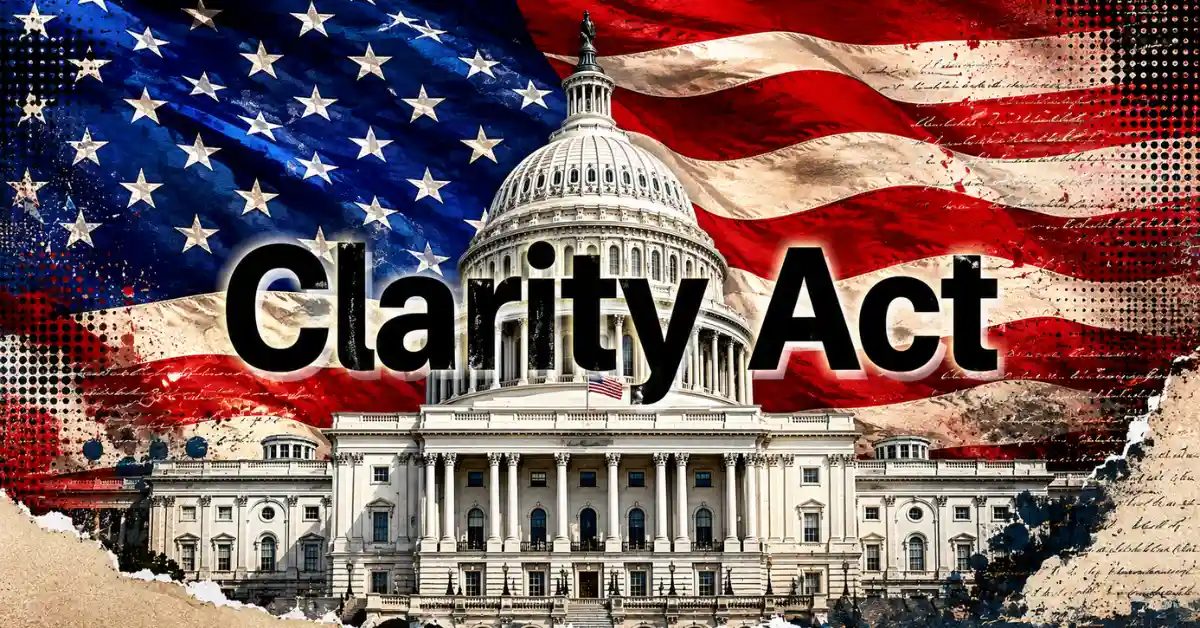



















The U.S. Senate is about to conduct a key procedural vote on the CLARITY bill. Foreign media reports that opinions regarding this bill remain divided, but the debate itself has become a focus of market attention, as the outcome will determine whether U.S. crypto regulation will shift from law enforcement-led to statutory legislation.
Both statements appear simultaneously.
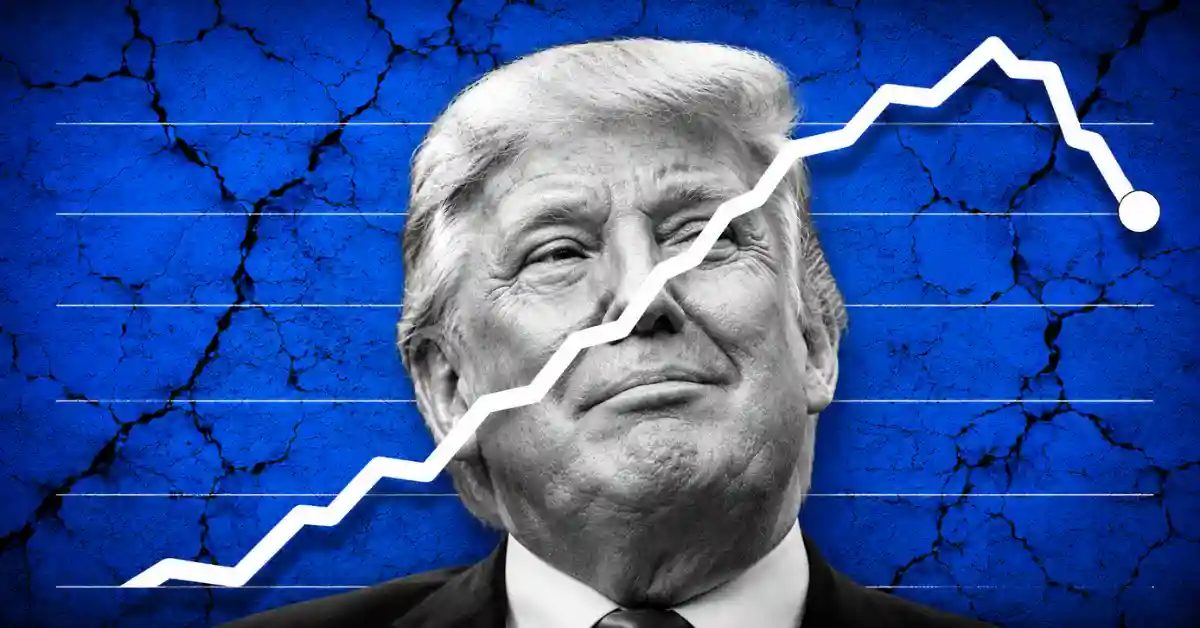
The report mentions that Washington has recently sent out contradictory signals. On one hand, the market is concerned that the advancement of the bill is hindered; on the other hand, supporters believe that the bill has not lost its chance of passing.
Reasons given by supporters include: the House version once received support from all Republican members and about 80 Democratic members; the Senate draft also incorporated some concerns of Democrats; and coordination continues between the White House, Senate Democrats, and regulatory authorities.
The report also mentioned that Ripple CEO Brad Garlinghouse, Coinbase CEO Brian Armstrong, and Chainlink director met with Trump, the Chairman of the US Securities and Exchange Commission (SEC), and the Chairman of the Commodity Futures Trading Commission to discuss the points of disagreement in the bill.
Why Legislation Receives More Attention than Regulatory Rules
U.S. Representative French Hill believes that if the crypto industry relies solely on the U.S. Securities and Exchange Commission (SEC) or the Commodity Futures Trading Commission (CFTC) to establish rules, rather than through formal legislation, the policy uncertainty faced by the industry will continue.
The reason is that regulations introduced by regulatory authorities are more likely to face long-term challenges in court, whereas laws passed by Congress are harder to overturn. According to this argument, if the CLARITY legislation is enacted, the regulatory boundaries for different crypto assets in the United States will become clearer.
If the bill does not progress, the U.S. crypto industry will not enter a "unregulated" state. Existing laws, court rulings, and state regulations will continue to be in effect, but many of the boundaries may only become clear gradually after law enforcement actions or litigation.
The market is awaiting the results of the vote.
Reportedly, according to market analyst Tony, if the Senate votes to pass the CLARITY bill, market sentiment could strengthen, Bitcoin's price trend might continue to rise, and other mainstream tokens could also respond accordingly.
He also mentioned that there are signs of bullish divergence on the Bitcoin chart, while the market value proportion of stablecoins shows the opposite signal. He interprets this as the market entering a consolidation phase after the previous round of gains, rather than weakening again.
However, the report also emphasizes that before the actual voting results are announced, both optimistic and pessimistic assessments remain at the expected level. For Bitcoin, Ethereum, and XRP, the so-called “clarity of regulation” ultimately depends on whether the Senate can convert months of negotiations into sufficient votes.
The international market is also paying attention to the developments in the United States.
The article argues that the significance of this bill is not limited to within the United States. Supporters claim that if the U.S. establishes a more comprehensive framework for cryptocurrency legislation, other countries may regard it as a reference model, similar to how the EU’s MiCA framework has previously influenced the legislative pace of other jurisdictions.
If the bill is thwarted, the United States' role as a model in the global competition of crypto regulatory frameworks could also weaken, and discussions about the outflow of industry funds and innovation may heat up again.