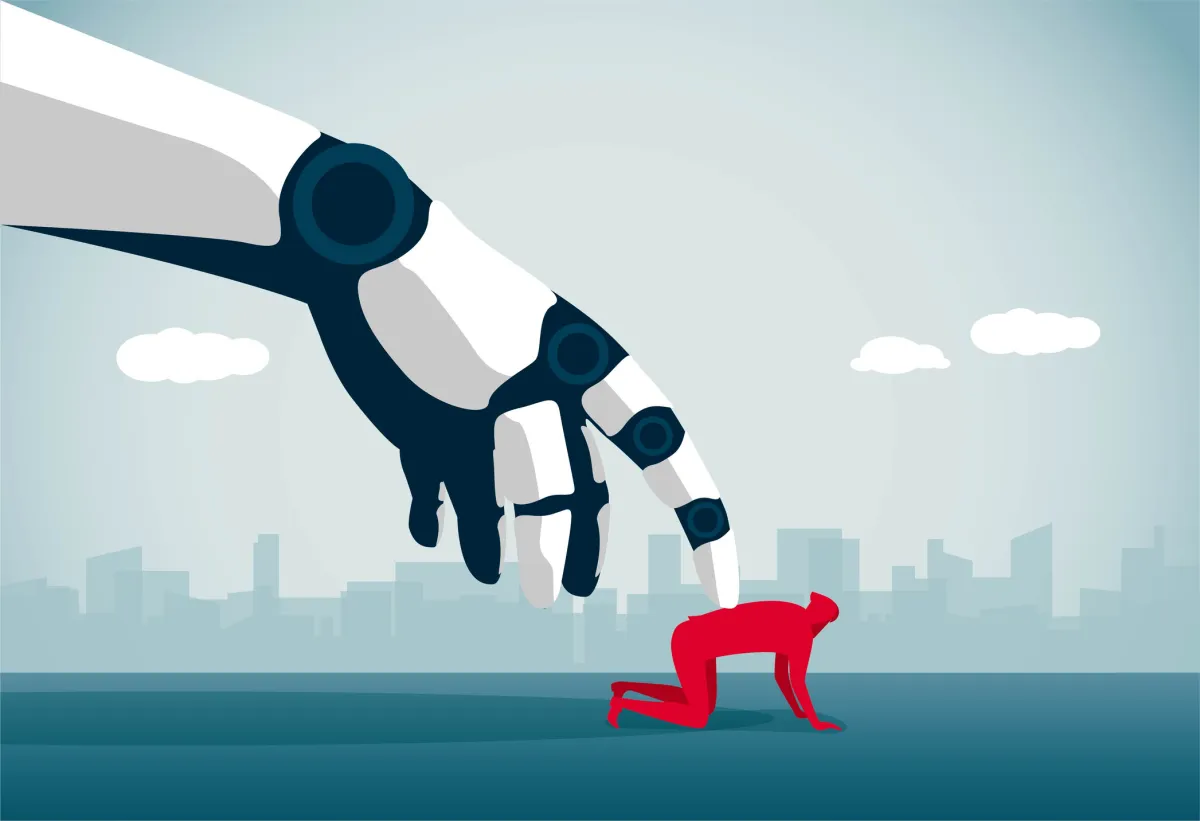







A comment from TechCrunch stated that the recent debate in the AI industry regarding whether "advanced models pose a threat to human survival" has clearly intensified. The trigger was an announcement by a former Anthropic researcher who resigned, claiming that leading AI companies were "risking everyone's lives." Subsequently, an employee responsible for alignment work at Anthropic publicly stated that the company indeed took the risk of "these models potentially killing humans" seriously, and this statement quickly sparked even more discussion.
The debate spread from statements regarding resignation.
The article mentions that the rapid escalation of this discussion is not only because the individuals who resigned worked at Anthropic and OpenAI, but also because the relevant remarks were quickly reposted and amplified on social media by employees of Anthropic. Subsequently, the focus shifted from individual resignations to whether the entire industry is continuing to accelerate the development of more powerful models while simultaneously emphasizing the risks involved.
Comments suggest that this kind of "doom risk" narrative is not new in the AI industry. People like Sam Altman and Dario Amodei have previously expressed similar concerns. However, what is different this time is that the individuals who raised these concerns chose to leave their companies, making a professional decision to act on their judgments, rather than just staying at the level of public warnings.
The core doubts point to the industry's motives.
One of the main disagreements discussed in the article is: if senior corporate executives and researchers truly believe that AI could lead to extreme consequences, why do they continue to push for the advancement of model capabilities? Comments suggest that this contradiction has persisted for a long time and is also the most difficult aspect for the outside world to accept about AI company.
Another perspective is even more pointed. The article argues that frequently discussing model out-of-control situations, abnormal proxy behaviors, or human risks publicly can, objectively, reinforce the market's impression of the company's technological leadership. In other words, risk narratives may not just be about security discussions; they can also inadvertently become part of a display of capabilities.
Anthropic IPO files or being followed
However, the comments do not simply attribute this phenomenon to marketing. The article argues that many researchers indeed have genuine concerns, which at times coincide with corporate interests: the more a model is emphasized as powerful and dangerous, the easier it is for the outside world to believe that the company possesses a more advanced system.
The article also turns its attention to the possible IPO that Anthropic might bring. Comments suggest that if there are people within the company discussing the relatively high probability of extreme AI risks publicly, then the market will pay more attention to how these risks are described in the company's S-1 documents, especially whether similar information has been included in the prospectus.
In the context of traditional capital markets, such statements are usually regarded as unfavorable factors, as they increase the risks associated with a company's business and governance. However, the article points out that the current valuation logic in the AI sector does not entirely follow traditional frameworks. Some narratives that describe individuals as "extremely capable, even to the point of being dangerous," may instead be interpreted by some investors as signals of technological leadership.
The comments mentioned at the end that the debate will not stop at statements on social media platforms. As the capabilities of these models continue to improve, what the outside world will be more concerned about in the future is: how companies will limit high-risk systems internally, whether there will be clearer security regulations in the industry, and whether U.S. policy will impose more specific requirements for the development and deployment of advanced AI.