


















Google has signed an agreement with Indian climate technology startup Mitti Labs, planning to purchase one million carbon credits by 2030. Both parties stated that this is the largest transaction for rice paddy methane emission reduction carbon credits disclosed to the public so far. For Google, this also reflects its accelerated search for new emission reduction pathways after continuing to invest in AI infrastructure.
Covering rice fields in three regions of India
The project will cover paddy fields in the Indian states of Karnataka, Andhra Pradesh, and Telangana, with approximately 100,000 hectares of farmland involved during the peak delivery period. The amount of the transaction has not been disclosed.
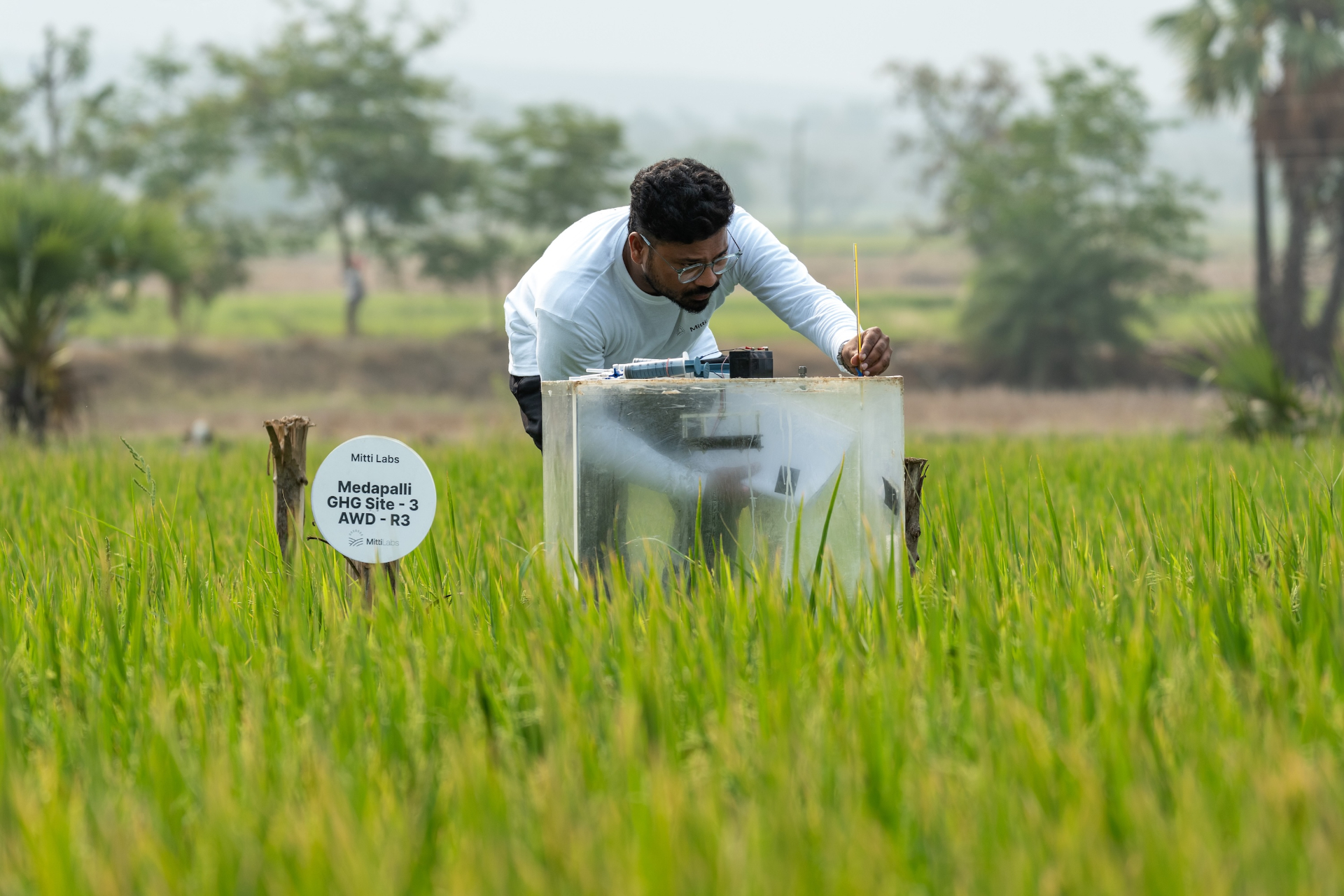
The approach of Mitti Labs is to pay farmers, encouraging them to adjust the irrigation methods for rice fields, thereby shortening the duration of continuous waterlogging in the fields. This helps to reduce methane emissions during the rice cultivation process and also lowers the amount of water used for irrigation. The company claims that this method can reduce methane emissions by about 50% and reduce irrigation water usage by about 40%, without affecting crop yields.
Google Emission pressure rises
This purchase occurred at a time when Google's net-zero target was under pressure. According to its environmental report released in June, Google's greenhouse gas emissions increased by 18% year-on-year in 2025, reaching approximately 14.5 million tons of carbon dioxide equivalent. The company still sets the goal of achieving net-zero emissions by 2030.
The report mentions that Google has continuously increased its investment in AI infrastructure in recent years, making emission control more complex as a result. Mitti Labs, co-founder of Xavier Laguarta, stated that when evaluating projects, Google not only focuses on the emission reduction effects but also values the water-saving capabilities and whether the project can be implemented on a large scale.
Track changes in farmland using GeoAI
Mitti Labs was established in 2023, with headquarters located in New York and Bangalore. The company has developed a GeoAI platform that combines satellite radar imagery with field measurement data to remotely track the crop growth, soil moisture, and flooding conditions of smallholder farmers' farmland.
According to the introduction, this platform uses synthetic aperture radar images from commercial and public satellites, with resolutions ranging from 50 centimeters to 10 meters, and combines them with the company's own field data to train the AI model. Laguarta indicates that Google reviewed this monitoring technology before signing the contract and also conducted on-site visits to farmland.
- Carbon credits can be issued through Gold Standard or Isometric.
- The project must undergo verification by an independent third party before issuance.
- Mitti Labs claims to have saved over 500 billion liters of water in the past two years
The agreement will support the company's expansion.
Mitti Labs indicates that this agreement is the company's largest pre-order agreement to date. The company currently collaborates with over 100,000 farmers, with the goal of reaching millions of farmers by 2030. In addition to Google, its clients also include the carbon market platform Cool Effect, rice producer Ebro Foods, and Syngenta.
The company stated that the majority of the project revenue will go to agricultural communities, but did not disclose how much income the farmers participating in the Google project can expect to receive. According to the plan, Mitti Labs will also enter the Philippines later this year and expand to Southeast Asian markets such as Indonesia by 2027.
Additional information:Google had previously deployed related emission reduction projects in India. In January 2025, Google reached a 100,000-ton carbon credit purchase agreement with Indian company Varaha; on the energy side, Google also signed an agreement related to a 150 MW solar project in Rajasthan to reduce emissions from the supply chain.