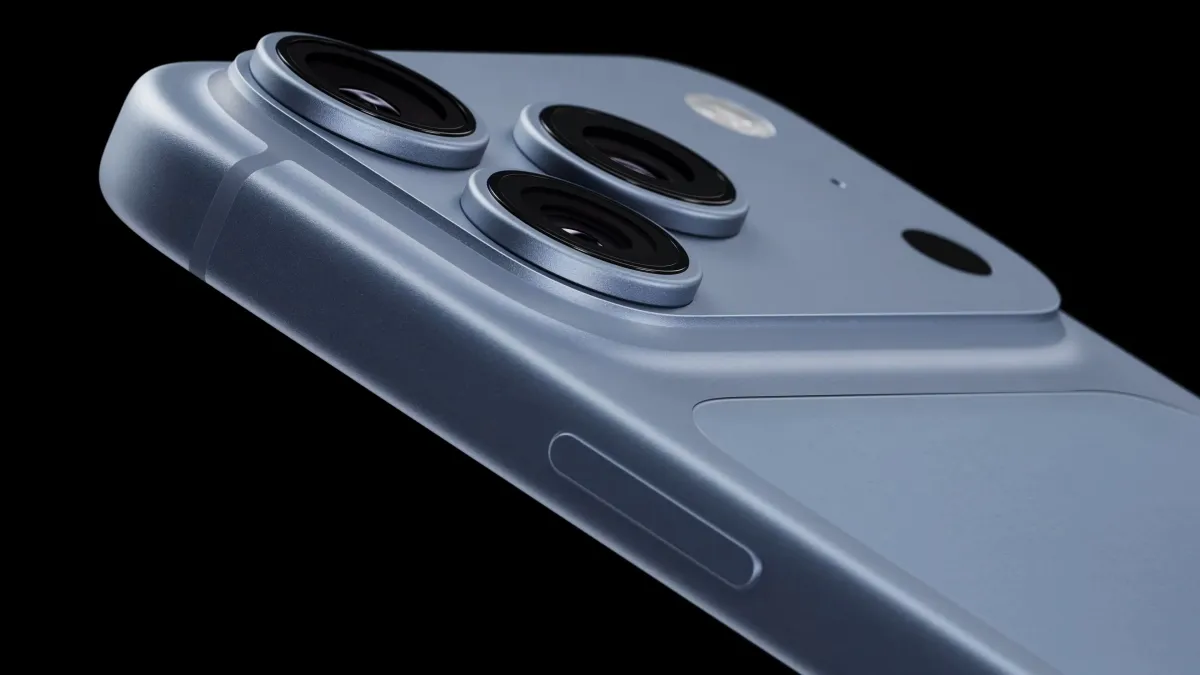






US-listed company IonQ announces the launch of a quantum computer Superion 256And has already begun to accept orders, with the first batch of systems expected to be delivered in 2027. The company also emphasizes that its mass production approach will rely more on semiconductor manufacturing methods to reduce manufacturing costs and increase shipping capacity.
IonQ is headquartered in Maryland, USA, and its business covers quantum computing, cloud connectivity, as well as quantum networking, sensing, and security technologies. The company states that the launch of Superion 256 integrates the capabilities brought by the previous two acquisitions, including electronic control of trapped ion quantum bits and manufacturing capabilities that are closer to semiconductor processes.
The first batch of 256-qubit processors has been manufactured.
IonQ indicates that its subsidiary chip manufacturing company, SkyWater, has completed the production of the first batch of 256-qubit processors, and the relevant teams have also achieved the first ion trapping in prototype machines at multiple facilities in the United States. Qubits are the basic units for processing information in quantum computers.
Unlike the bits in traditional computers that can only take values of 0 or 1, quantum bits can be in a combination of multiple states before measurement. This is also why quantum computing is considered suitable for handling some complex computational tasks.
However, an increase in the number of qubits does not necessarily mean that the system has practical capabilities. Quantum systems are susceptible to interference, and error control as well as the stability of multi-qubit coordination are the key factors determining performance. IonQ The performance results of a complete 256-qubit device have not yet been disclosed.
The company bets on a standardized mass production approach.
According to IonQ, Superion can be installed in a standard server rack and will also be accessible through cloud services. The company stated that SkyWater has reduced the chip design cycle from 9 months to 2 months, which will help with faster iteration of subsequent systems.
According to the company's plan, the Superion platform will be designed, manufactured, and packaged in a similar manner in the future to support mass production, rather than being built individually. IonQ also revealed that the first set of systems completed pre-sales at the beginning of 2026.
- Superion 256: Reservations are now open, with delivery scheduled for 2027.
- Superion 10K: Aim to demonstrate error-resistant computing by 2027
- Commercial mass production: expected to start in 2028
Discussions on the quantum security of Bitcoin heat up again
This release comes at a time when researchers are continuously discussing the potential threats of quantum computing to the security of Bitcoin. Theoretically, if quantum computers are powerful enough and can stably operate quantum bits protected from errors for long periods of time, it would be possible to derive private keys from publicly available public keys, thereby allowing someone to transfer other people's Bitcoins.
However, a 256-qubit device does not mean that it is possible to directly crack the 256-bit security strength used by Bitcoin; the measurement standards for both are not the same. At present, there are still significant technical barriers between quantum computing and the ability to truly threaten the Bitcoin network.
Relevant preparations are already underway. Galaxy announced in July of this year that it will invest up to 5 million US dollars to support quantum security efforts for Bitcoin, covering developer funding, research projects, and the establishment of an advisory committee.