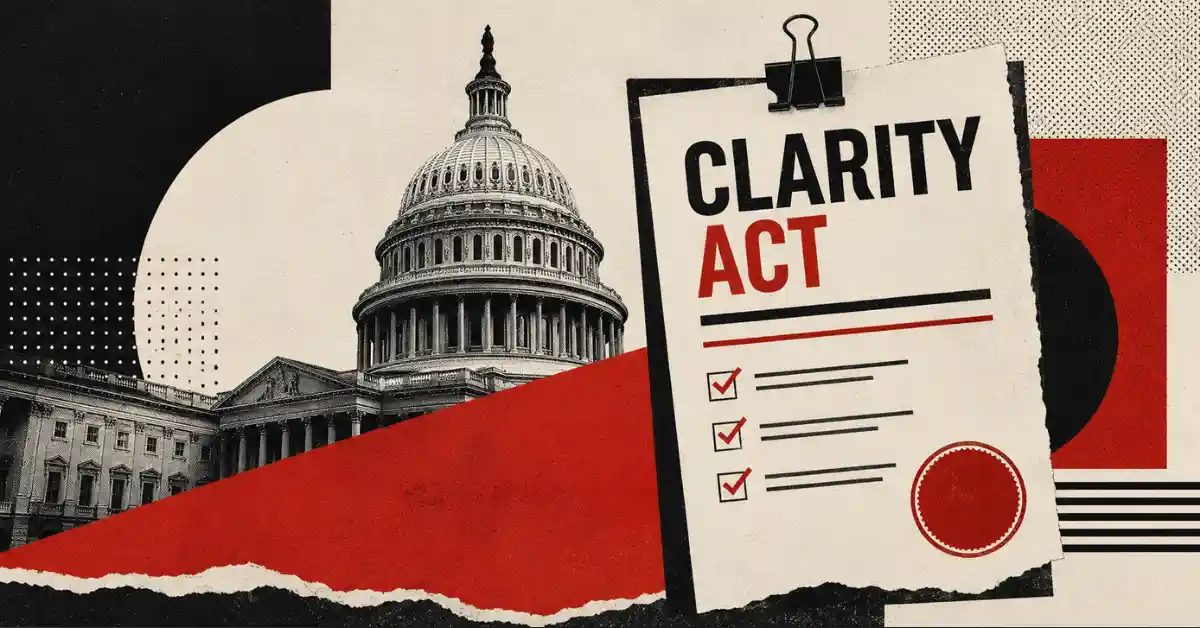


The US Senate has temporarily suspended the "Digital Asset Markets Clarity Act" because it will prioritize federal nominees and sanctions bills against Russia this week. Under the current agenda, this market structure bill, which is of great interest to the crypto industry, is unlikely to reach a formal vote in the near future.
The agenda has given way to the nomination bill and sanctions bill.
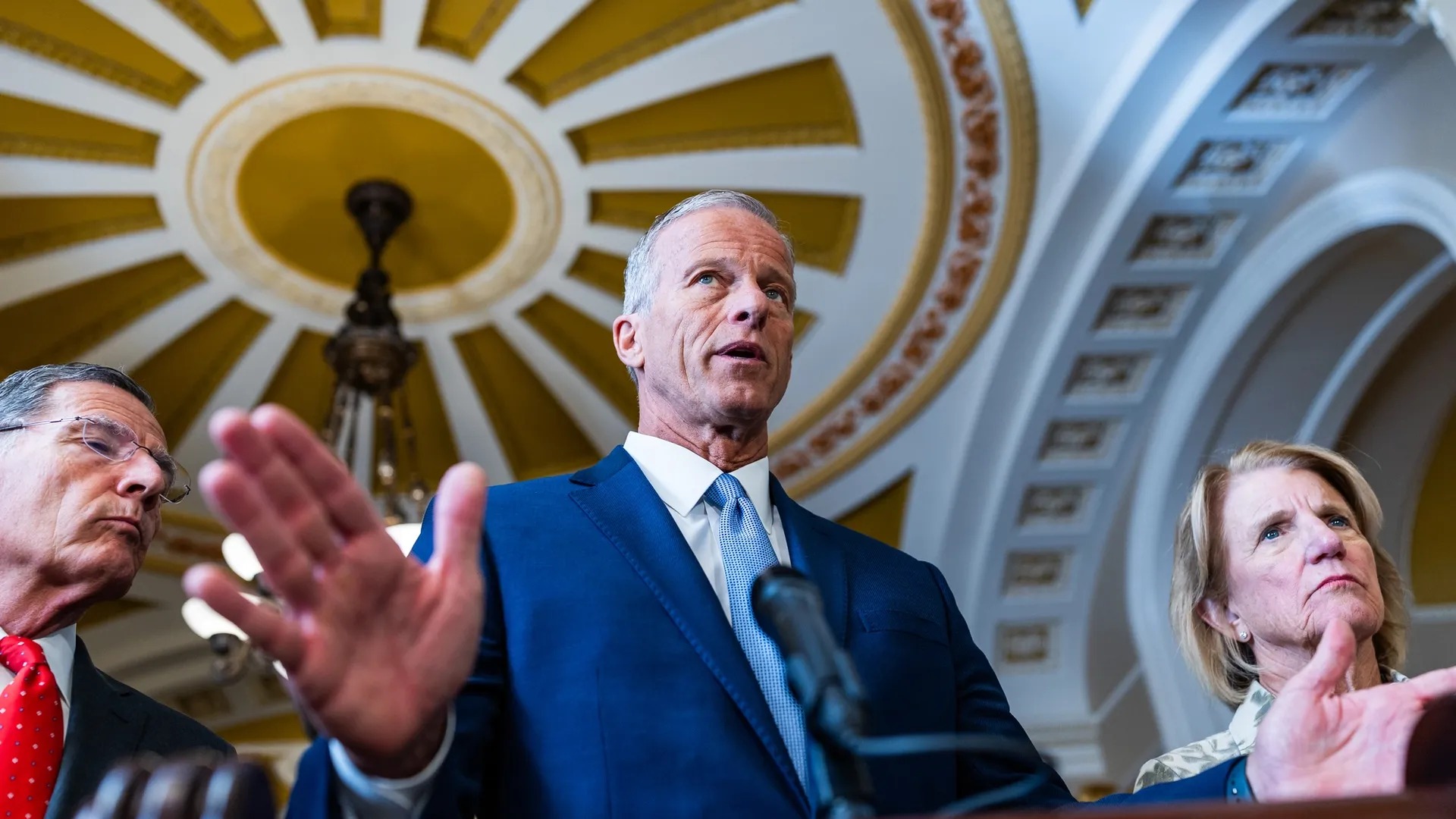
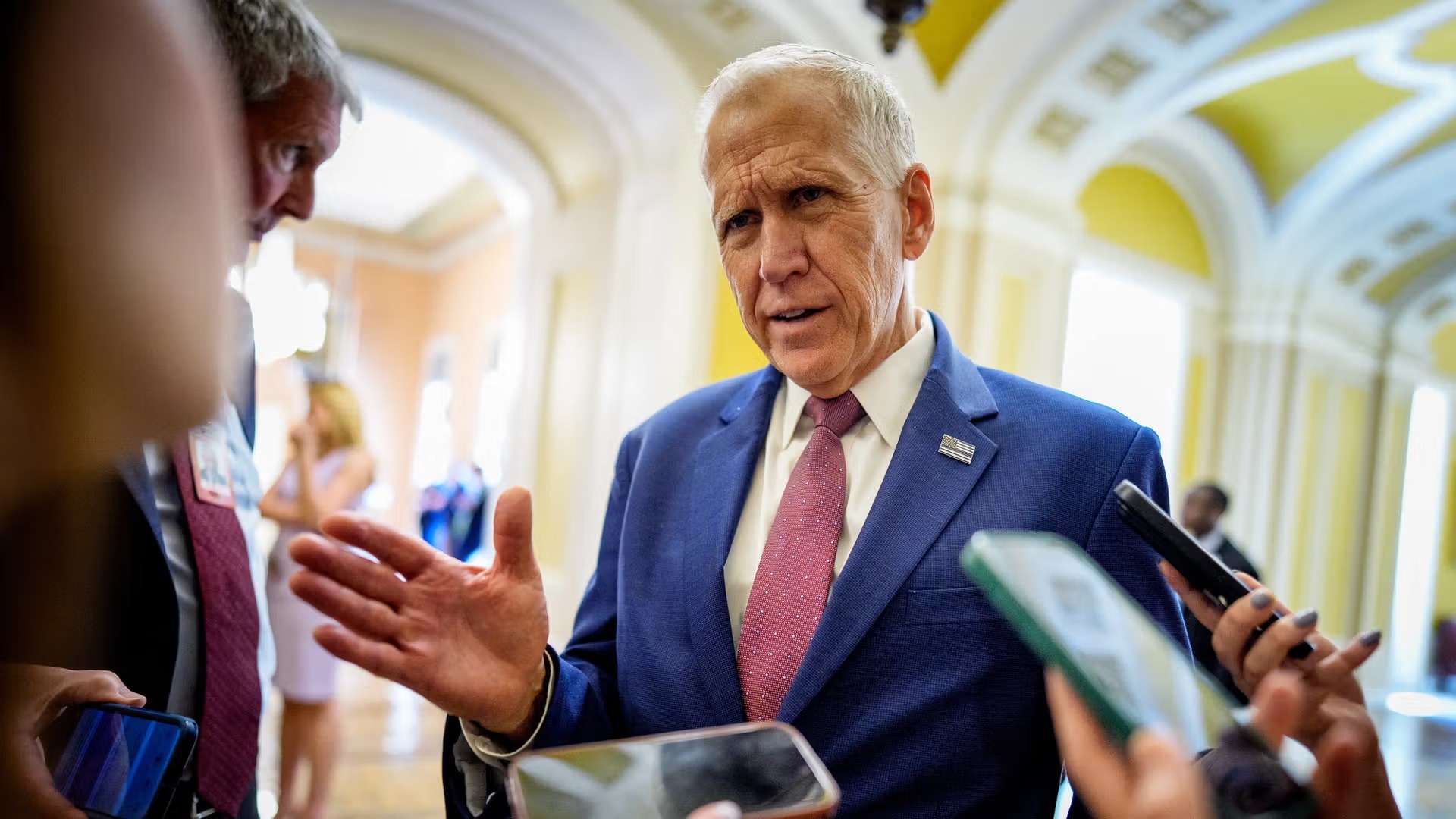
Senate Majority Leader John Thune initiated a batch of nominations on Monday and plans to then move on to the Russia sanctions bill. The Senate typically focuses on only one contentious issue at a time, and the process itself takes time, making it difficult for the Clarity Act to gain sufficient in-court time before the aforementioned issues are resolved.
It could be as early as the last week before the recess.
The Senate will enter its summer recess around August 8. If the bill fails to make initial procedural progress next week, the next more realistic window of opportunity may have to wait until Congress reconvenes in September.
CoinDesk cited Thune's previous statement that he still hopes to advance the bill before the recess, but only if the vote base is confirmed. In other words, the bill is not only constrained by time but also faces unresolved partisan differences.
The checkpoint remains in place regarding restrictions on government officials' involvement in currency matters.
The most contentious aspect is the clause restricting senior government officials from supporting or participating in crypto projects, including President Trump's relationship with digital asset projects. Democrats have been pressuring for this ethical clause, arguing that existing restrictions are insufficient.
Previously, another major point of contention surrounding the bill was the arrangement of stablecoin rewards. The Senate had been coordinating between the crypto industry and the banking sector for months, ultimately reaching a compromise that limited stablecoin reward programs to forms that did not directly resemble interest-bearing bank deposits. With that issue temporarily resolved, the focus of the debate shifted to restrictions on government officials' crypto activities.
The timeline for legislation in 2026 is tightening.
If the Clarity Act fails to make substantial progress this year, the space for legislation by 2026 will further narrow. Even if it passes the Senate, the bill still needs to return to the House of Representatives for approval before it can be sent to Trump for his signature.
After reconvening in September, Congress will have limited time available in the chamber. Following the November elections, Congress will enter a "lame duck" session, during which legislative progress is often more unstable, with the possibility of temporary deals pushing bills through or political gridlock causing them to stall.

Additional information:With the future of the Clarity Act uncertain, other avenues for U.S. crypto regulation are still being pursued, including the implementation of the GENIUS Act and the policy work undertaken by the U.S. Securities and Exchange Commission and the Commodity Futures Trading Commission.