

The US market for compliant perpetual contracts is heating up, but the first movers are not necessarily Wall Street giants. With Kalshi and Coinbase being granted permission to launch regulated perpetual contracts in the US, products that were previously more active in the offshore crypto market are gradually entering the domestic financial system.
Kalshi and Coinbase took the lead in advancing
Perpetual contracts have no expiration date, so traders don't need to roll over their positions periodically like traditional futures. Contract prices are typically tracked as closely as possible to the spot price of the underlying asset through funding rate mechanisms. These products have become an important part of global cryptocurrency trading.
CoinDesk, citing Bank of America data, reports that perpetual contracts have an annual trading volume of approximately $90 trillion. Kalshi's perpetual contracts, launched in June, saw trading volume exceed $1 billion within a week, making it the platform's best-performing new product since its prediction market business began.
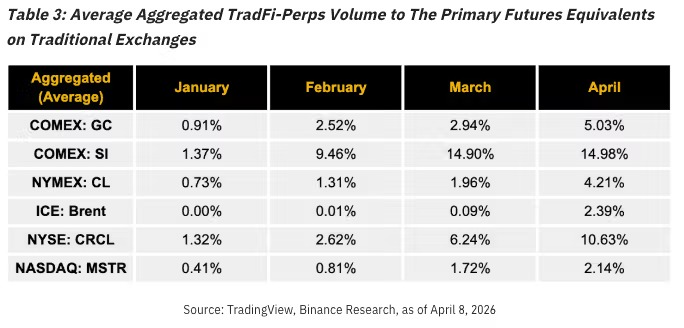
Subsequently, Kalshi applied to launch perpetual contracts linked to gold and silver, indicating that this product might not be limited to digital assets such as Bitcoin. On May 29, the U.S. Commodity Futures Trading Commission (CFTC) approved Kalshi to offer such contracts. Coinbase also received permission to list regulated perpetual contracts in the United States.
Large banks are still assessing costs
However, regulatory approval does not mean that large financial institutions will immediately follow suit. The report, citing sources familiar with the matter, stated that discussions about perpetual contracts have increased significantly on Wall Street, partly because U.S. regulators are allowing some products that were previously operating in offshore markets to repatriate.
However, most large institutions are still in the research phase rather than preparing for a large-scale product launch. Proprietary trading firms, market makers, and newer clearinghouses are more likely to be among the first to enter the market.
The reason lies in the varying risk tolerance and cost-incurring capabilities of different institutions. Proprietary trading firms, using their own funds, have greater flexibility in testing new markets and can exit more quickly if returns are unsatisfactory. In contrast, large banks face stricter capital requirements, customer obligations, and reputational risks. For them, a market still in its early stages may not be sufficient to support the costs of investing in compliance, clearing, and risk control systems.
Weekend trading and regulatory disagreements
The appeal of perpetual contracts extends beyond speculation. The report notes that these products can also help institutions manage weekend risk. While traditional futures markets are closed for part of the weekend, events like wars, elections, or policy changes do not. If traders hold exposures such as options on Friday, they often have to wait until traditional futures markets reopen on Sunday evening to hedge.
If a fully liquid, 24/7 perpetual market were to emerge, institutions could adjust their positions instantly in the event of an event and use weekend prices to gauge the likely direction of CME futures after their reopening. Sources believe this would give perpetual contracts both hedging and price discovery capabilities.
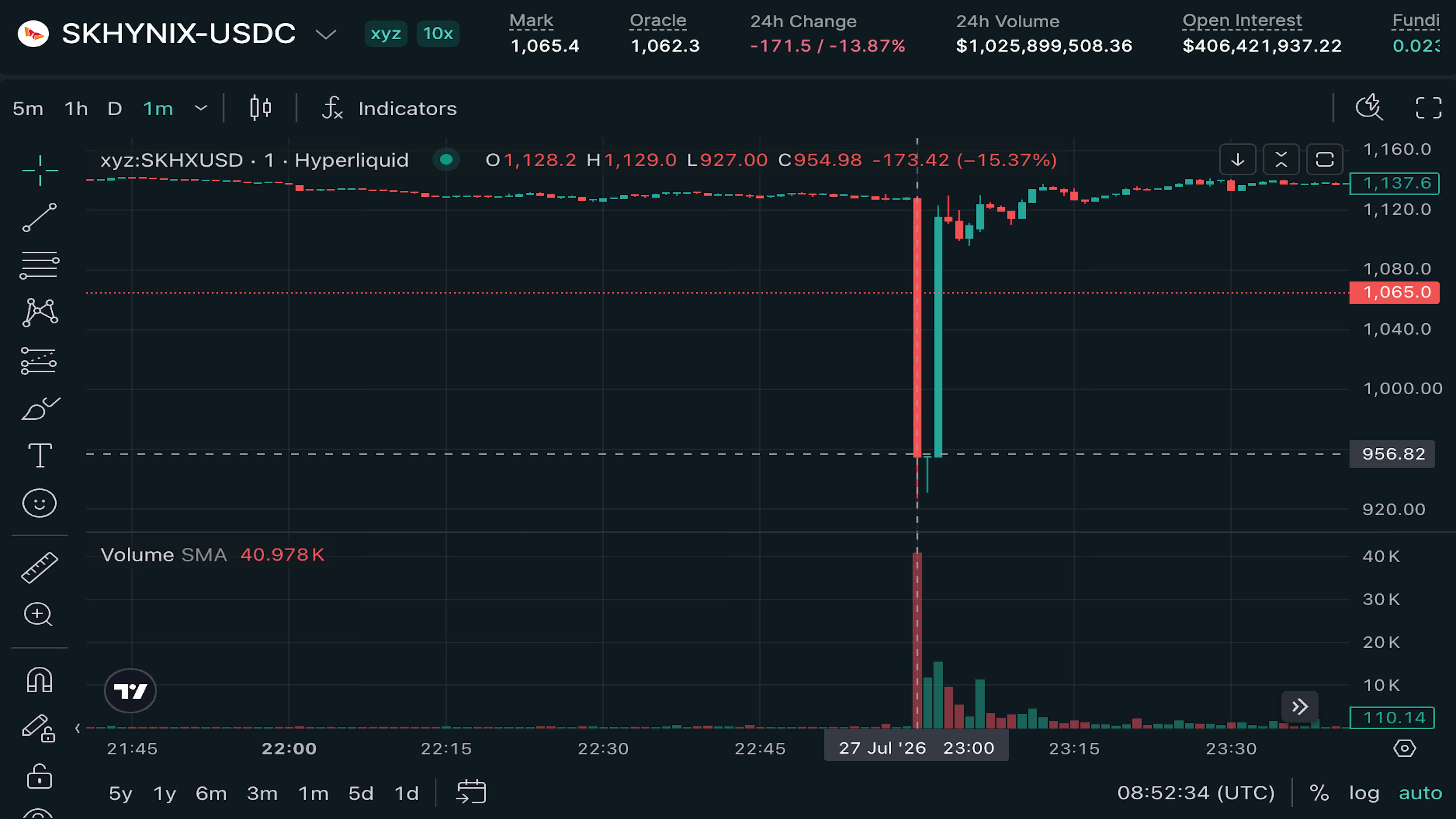
However, the current weakness remains market depth. 24-hour trading does not mean that institutions can complete large-scale position building or closing without impacting prices. Especially on weekends, liquidity remains thin, and the speed of collateral and clearing systems may not keep up with market fluctuations.
Another source of uncertainty stems from regulatory classification. The market is debating whether some perpetual contracts should be classified as futures or swaps. This distinction directly impacts margin rules, registration obligations, and which institutions can provide liquidity. The CME Group has already raised objections with the CFTC regarding Kalshi's regulatory treatment of Bitcoin perpetual contracts. Similar controversies may escalate further if exchanges continue to promote perpetual contracts for assets such as stocks.