

Whether the U.S. Congress can advance the "Clarity of the Digital Asset Markets Act" before its early August recess remains one of the most closely watched legislative issues in the crypto industry. Although Senate Majority Leader John Thune has expressed caution regarding the timeline, industry lobbyists believe the bill has not yet lost its chance of progress.
Thun said the timetable was too tight.
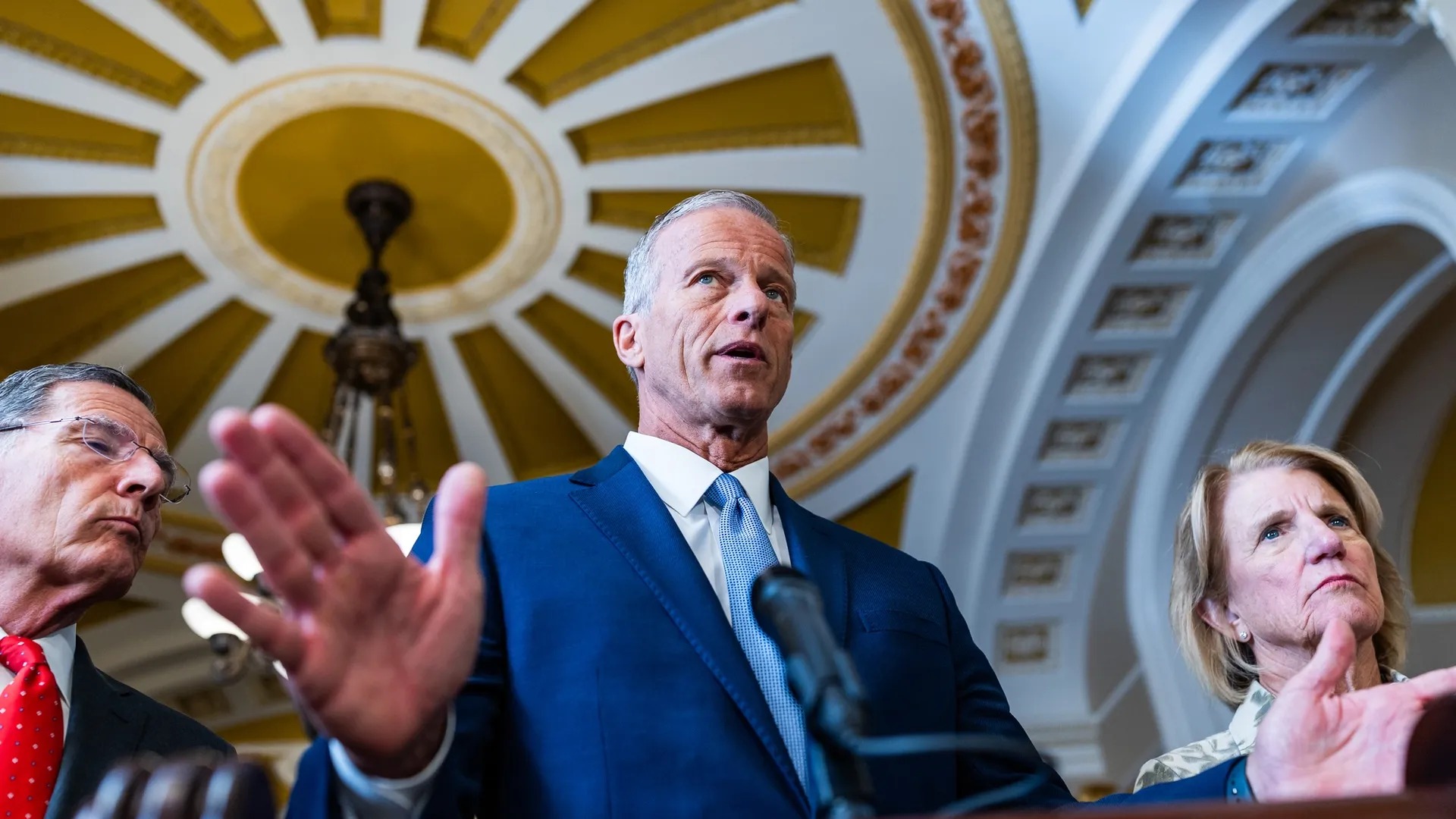
Thune recently told the media that the Senate may not be able to complete several legislative tasks, including the Clarity Act, before the August recess. He said he hopes to at least initiate the relevant procedures, but the final outcome will depend on the vote count.
The August 7th recess was seen by many supporters as a crucial juncture. Some lawmakers had previously stated publicly that if a positive vote could not be achieved before the recess, the bill's subsequent progress would be more difficult.
The industry is still pushing for a vote.
Kristin Smith, a leading lobbyist for the US crypto industry, later posted on the social media platform X, stating that the outside interpretation of the bill's slowdown was inaccurate. She indicated that after communicating with various parties, the bill still has a clear path forward until August 7th, and the industry needs to seize this window of opportunity.
This statement indicates that coordination efforts surrounding the bill are ongoing. Current negotiations primarily focus on disagreements regarding the structure of the crypto market and enforcement provisions.
Support and resistance coexist
Galaxy Digital's research director, Alex Thorn, has lowered the probability of the bill's near-term passage to 30%, believing that a final push is needed. This reflects a growing caution in the market regarding the timeline.
However, the bill has also garnered support from some executives at traditional financial institutions. Goldman Sachs CEO David Solomon stated that he supports pushing the Digital Asset Markets Clarity Act forward, believing that clearer regulatory rules will help financial institutions participate in the blockchain market.
He acknowledged that the bill is not perfect, but establishing a market structure framework first would still help accelerate the implementation of related innovations. On the other hand, traditional banking groups hold a hardline stance on the bill, and opposition remains one of the main obstacles to its progress.