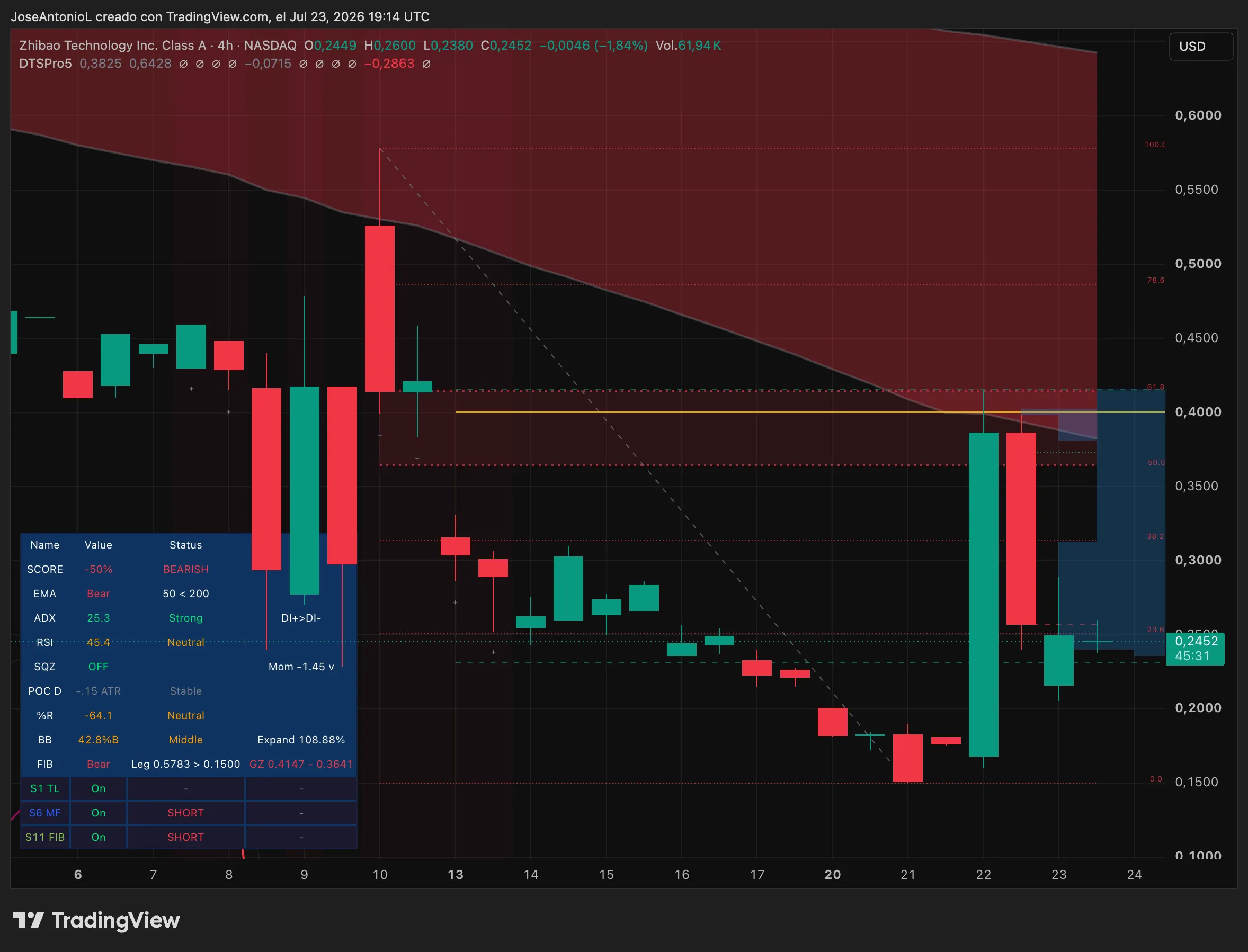


Nasdaq-listed SmartBenefit Technology disclosed that it has signed a non-binding term sheet with Joyertech and Information OPC to raise approximately 3,500 bitcoins through a PIPE (Public-Private Partnership) financing round and add them to its balance sheet. The report estimates the bitcoins to be worth approximately $220 million.
The transaction used Bitcoin to pay for the new shares.
What makes this deal special is that the consideration wasn't cash, but rather investors directly subscribing to newly issued shares of the company using Bitcoin. In other words, SmartPay didn't need to raise funds first and then buy Bitcoin on the market; instead, it simultaneously established a Bitcoin treasury upon completion of the fundraising.
Company documents show that if the transaction closes, investor Joyertech will nominate a majority of the company's directors, thereby gaining control of the board. The existing insurance business will continue to operate during the initial transition phase, but management currently expects to only temporarily handle day-to-day operations until the original business is spun off, disposed of, or restructured.
Control will also transfer along with financing.
Zhibao Technology is headquartered in Shanghai and trades on Nasdaq under the ticker symbol ZBAO. The company positions itself as a digital insurance technology service provider, focusing on the embedded insurance market in China, and claims to have launched the country's first digital insurance brokerage platform in 2020.
Structurally, this transaction is not merely a treasury allocation; it may also lead to simultaneous adjustments in company control and business structure. Compared to the common practice of most listed companies to "raise funds first, then acquire cryptocurrency," Zhibao Technology's plan integrates financing, cryptocurrency holding, and board reorganization into a single transaction.
The paths of listed companies in Bitcoin treasury development continue to diverge.
Recently, more and more listed companies have included Bitcoin in their balance sheets, but the specific practices are not consistent.
- Some companies still purchase Bitcoin after obtaining traditional financing.
- Some companies directly use digital assets as consideration for financing.
- Some companies also sold some of their Bitcoin to pay off debts and replenish liquidity.
The report mentions that Bitcoin Japan, a Japanese company, planned to raise approximately 9.66 billion yen earlier this month, of which about 662 million yen would be used for its first-ever funded Bitcoin treasury purchase. Another company, Empery, disclosed that it has sold 1,400 Bitcoins since May, raising approximately $87.1 million, which it will use to pay debts, support acquisitions, pay legal fees, and enhance liquidity, while maintaining a smaller Bitcoin reserve.
Currently, over 150 publicly listed companies hold Bitcoin on their balance sheets. The paths taken by different companies are increasingly dependent on their individual financing needs, business models, and balance sheet arrangements, rather than a single template.
The transaction still needs to fulfill several conditions.
However, the deal for Zhibao Technology is still far from being finalized. The company disclosed that the agreement is currently only a non-binding preliminary arrangement, and further legal, financial, and operational due diligence, signing of a formal agreement, and obtaining approvals from both the company and regulatory levels are still required.
In addition, the transaction is contingent on the company continuing to meet Nasdaq listing requirements and other standard closing conditions. The Bitcoin will not be officially transferred to the company's account until these conditions are met.
Additional information:If this proposed transaction is completed, it will not only allow SmartPay Technology to establish a Bitcoin treasury, but also enable investors to gain actual control through a majority of board seats, which is different from most listed companies' plans that simply increase their Bitcoin holdings.