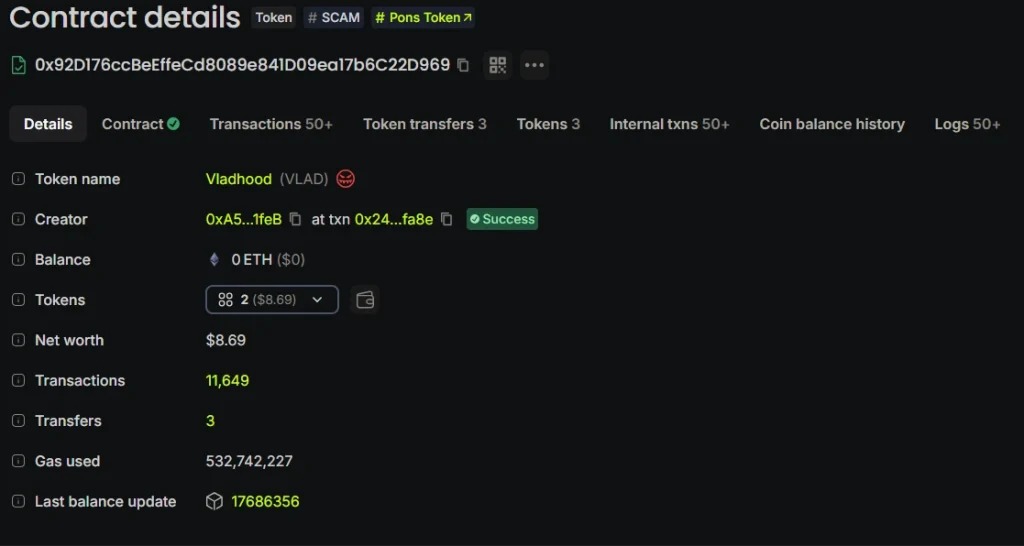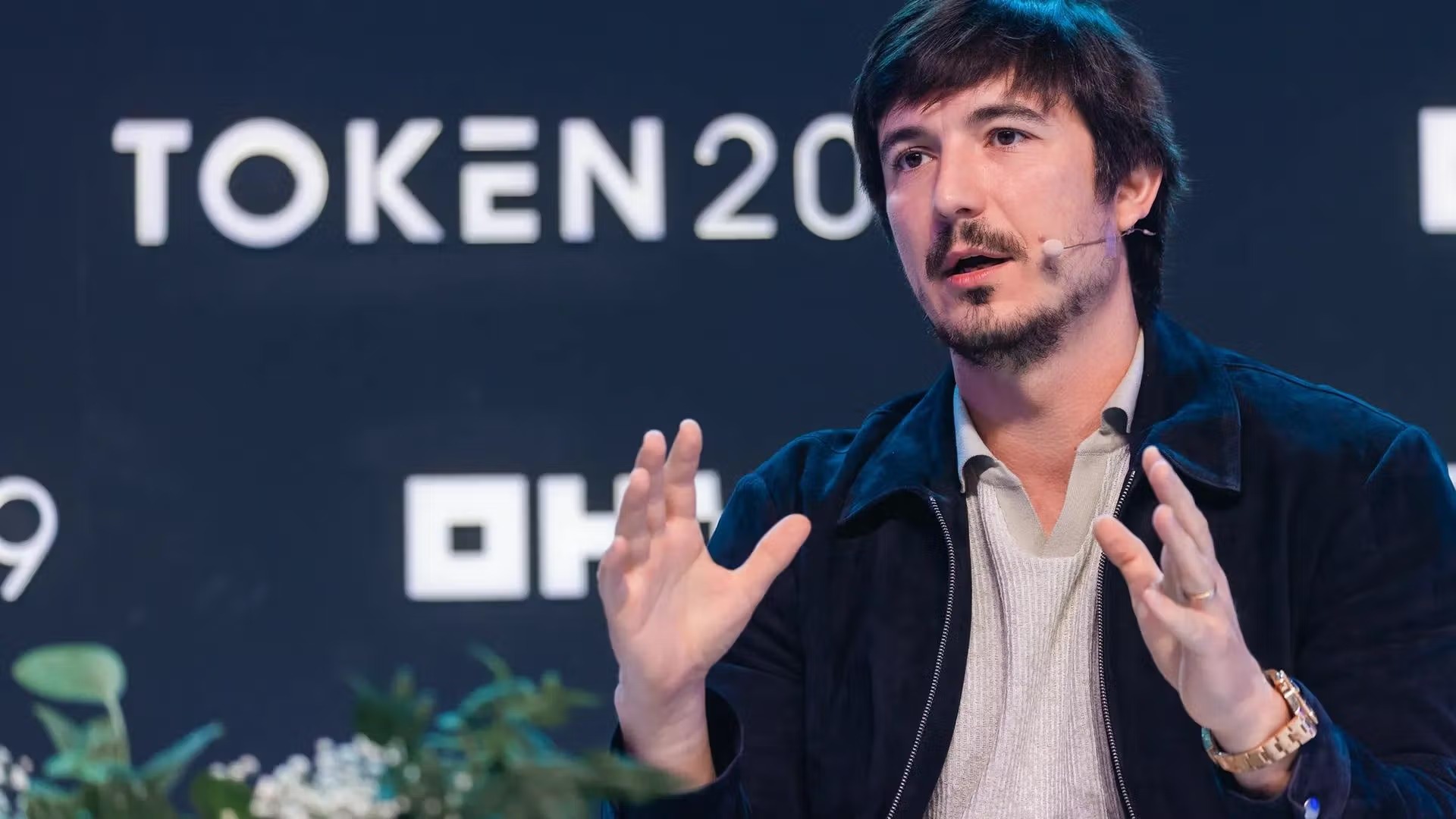


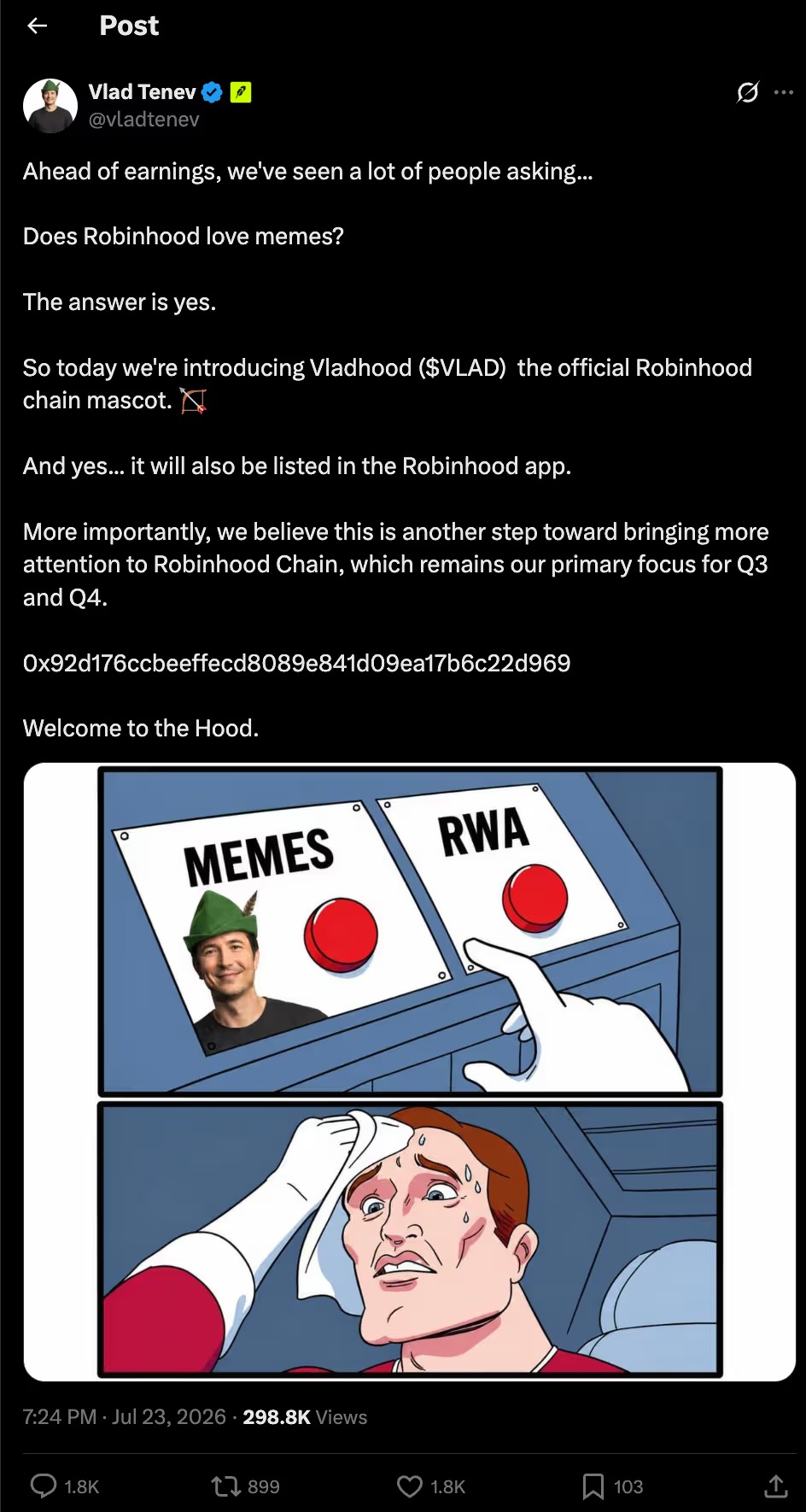
Robinhood has confirmed that its CEO, Vlad Tenev, had his X account compromised. The hacker subsequently posted a now-deleted message promoting a token called Vladhood ($VLAD) and falsely claiming that the token would be available on the Robinhood app.
The post also included a blockchain wallet address and packaged the token as the "official mascot" of Robinhood Chain. The post initially attempted to gain credibility by leveraging Robinhood's focus on meme culture, but the company later confirmed that the information was false.
The post claims that the token will be listed on the platform.
The deleted content claimed that $VLAD would be traded within the Robinhood App and implied that the token was related to the company's recently promoted Robinhood Chain. According to reports, this claim is unfounded.
After the account was hacked, the content spread rapidly on social media platforms. Robinhood later confirmed that Tenev's account had been compromised and that the posts were not published by him or his company.
The incident occurred amidst the surge in popularity of blockchain transactions.
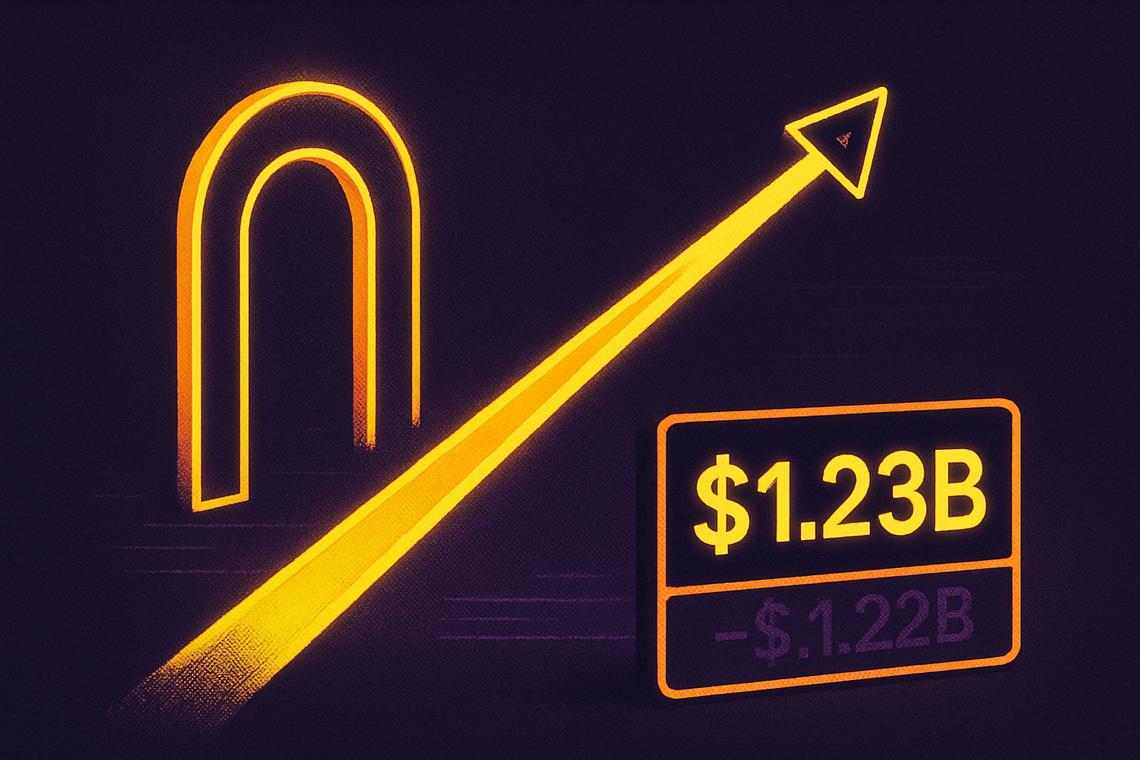
This incident occurred as Robinhood's newly launched blockchain network was rapidly attracting funding and trading activity. According to dashboard data created by Entropy Advisors on Dune, the network has attracted over $700 million in asset inflows since its launch earlier this month, covering stablecoins, tokenized stocks, and memes.
Data also shows that the chain has over 300,000 daily active addresses and processes approximately 10 million transactions per day. As meme trading heats up, on-chain speculative activity has increased significantly, making it easier for imposters and fake tokens to spread.

Memecoin popularity increases the risk of identity theft.
During periods of high activity in meme coins, market attention to tokens associated with celebrities, platforms, and popular projects typically amplifies rapidly. This hacker's direct use of Robinhood's CEO identity and the platform's brand for promotion clearly aimed to exploit short-term attention and trading impulses.
This incident also reflects how the combination of social media account security concerns and on-chain speculation makes it easier for fraudulent token information to spread. For platforms, such incidents not only involve brand risks but may also amplify users' misjudgments regarding "official tokens" or "upcoming launches."