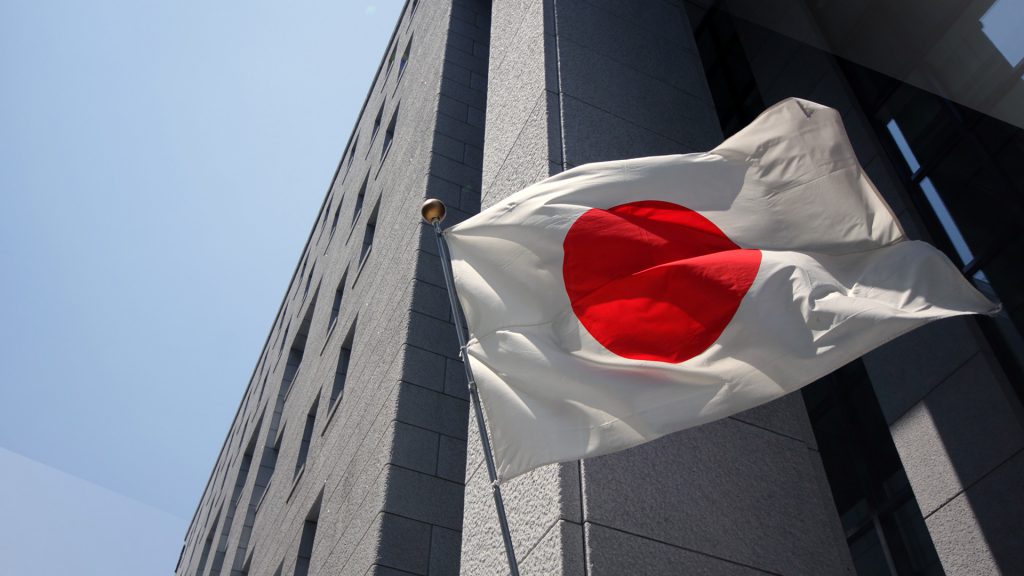


Japan is signaling a relaxation of regulations on crypto investment products. Finance Minister Katayama stated in May that the government plans to proceed with the authorization review of crypto asset ETFs, which means Japan may open a compliance channel for exchange-traded funds (ETFs) of assets such as Bitcoin and Ethereum.
Chancellor of the Exchequer publicly stated
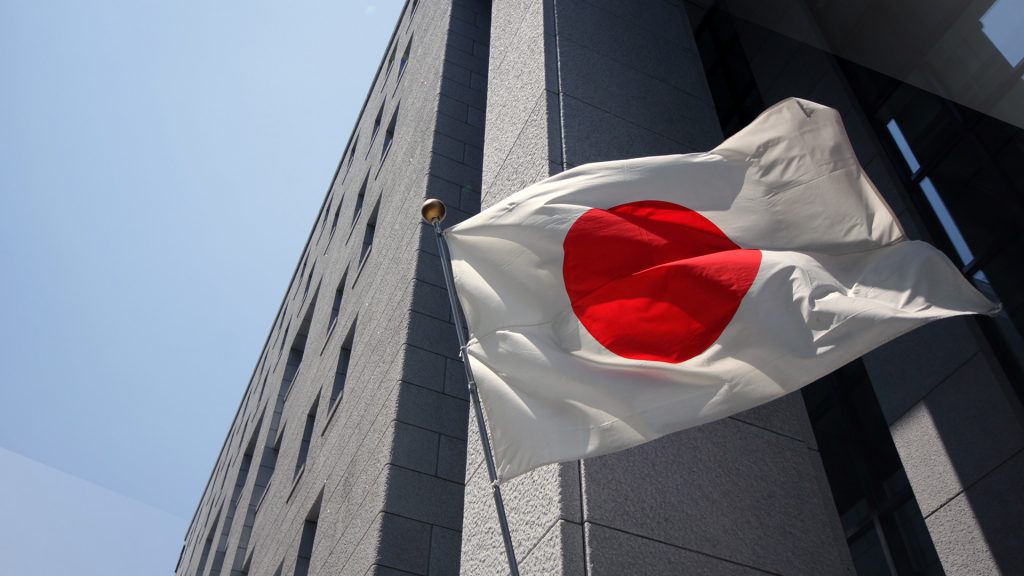
Satsuki Katayama made the above statement at a public event hosted by the financial information service provider QUICK. She stated that Japan intends to continue discussions on authorizing cryptocurrency ETFs.
If the regulations are subsequently implemented, Japanese investors will be able to indirectly allocate crypto assets through securities accounts, without having to directly hold on-chain assets or manage their own wallets. These types of products are also typically easier for traditional financial institutions to integrate into their existing sales and custody systems.
The Japanese market may see new compliant entry points.
The core function of cryptocurrency ETFs is to allow investors to gain price exposure without directly holding the cryptocurrency. Over the past two years, spot cryptocurrency ETFs in markets such as the United States have become an important channel for institutional funds to enter the cryptocurrency market, and have also increased the acceptance of this asset class by traditional investors.
- Investors can allocate related products through their securities accounts.
- Traditional institutions can more easily integrate into the hosting and sales process.
- Japanese asset management firms may join the competition for ETF products.
If Japan liberalizes related products, the ways in which local securities firms, asset management institutions, and retail investors participate may all change. For the Japanese market, this not only represents a new investment tool, but could also drive local financial institutions to become more deeply involved in the crypto asset business.
Market impact still depends on the macroeconomic environment
However, policy statements do not guarantee immediate product launches; market reaction will depend on subsequent review progress. The article also notes that the overall cryptocurrency market remains in a volatile phase, with Bitcoin prices fluctuating around key levels, and other major assets showing similar trends.
Furthermore, the external macroeconomic environment remains a significant variable. High US inflation data and ongoing adjustments in market expectations regarding the Federal Reserve's interest rate path this year could negatively impact the short-term performance of crypto assets if global risk appetite declines.
In the longer term, if Japan officially opens up cryptocurrency ETFs, it will be seen as another policy advancement by a major Asian economy in terms of compliant cryptocurrency investment products, and may also increase the linkage between the local market and international funds.