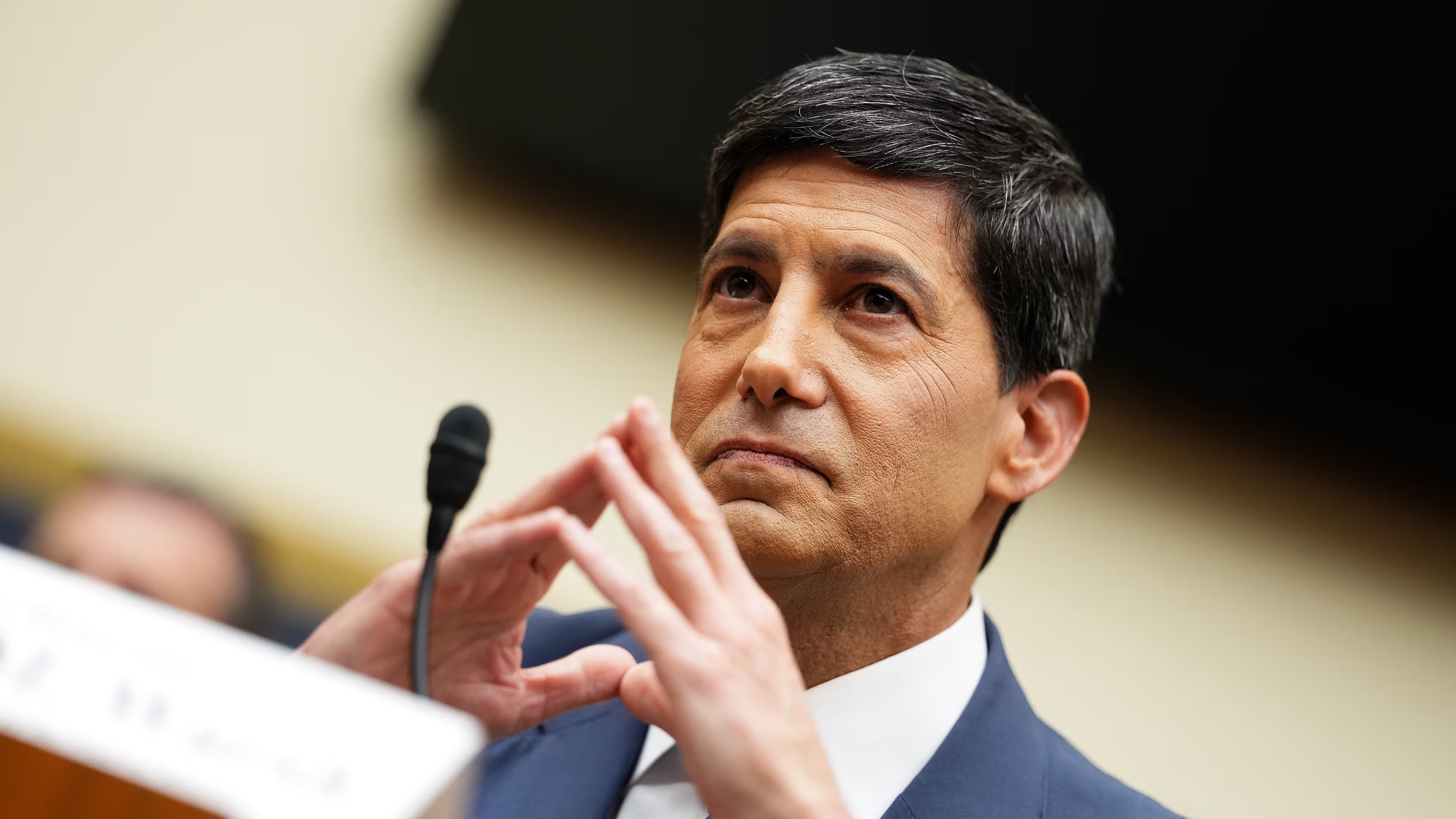


The regulatory divide over crypto derivatives in the United States is becoming public. CME Group, the largest derivatives exchange operator in the U.S., has sued the Commodity Futures Trading Commission (CFTC) and its chairman, Mike Selig, opposing the latter's approval of Kalshi and Coinbase to launch on-chain perpetual contracts. This case involves not only a single approval but also whether the U.S. will open the door to its domestic perpetual market.
The controversy centers on the product's characterization.
CME believes the CFTC has misdefined the legal nature of these products. According to CME, futures contracts should have a defined expiration date, while perpetual contracts have no expiration date, allowing traders to hold positions indefinitely, thus resembling swaps rather than traditional futures.
CME Chairman Terry Duffy stated that if two parties continuously exchange payment obligations, it should be included in the swap regulatory framework, with corresponding margin requirements and registration requirements. CME also criticized the CFTC for quickly releasing related products without fully assessing the consequences.
Kalshi and Coinbase became the trigger.
The conflict escalated rapidly last month. Following the CFTC's decision to allow prediction market platform Kalshi and cryptocurrency exchange Coinbase to list crypto perpetual products, the CME filed a lawsuit. The complaint alleges that such products would impact its long-term futures business and could potentially alter existing regulatory boundaries in the U.S. derivatives market.
- The platforms involved include Kalshi, Coinbase, and Hyperliquid.
- The controversial product is an on-chain or crypto-style perpetual contract.
- The overseas sustainability market reportedly saw a transaction volume of $60 trillion last year.
The report noted that the overseas perpetual contract market has expanded rapidly in recent years. In the early stages of the Iranian conflict, the increased demand for 24-hour trading related to oil prices also boosted the activity of perpetual contracts on offshore DeFi platforms such as Hyperliquid.
CME is simultaneously promoting 24-hour trading.
Following the lawsuit, CME attempted to expedite the launch of a 24/7 trading arrangement for West Texas Intermediate (WTI) crude oil futures, but this was blocked by the CFTC. Unlike crypto perpetual contracts, CME applied for traditional crude oil futures contracts with expiration dates. CME's reasoning at the time was that investors wanted to manage their positions in real time in the event of unexpected news.
The CFTC declined to comment on the case. Mike Selig previously stated on X that the CME's disregard for the committee's efforts to conduct careful analysis on key issues was inappropriate.
Court ruling impacts US market path
CME previously spearheaded the launch of Bitcoin futures in the US, but this time the controversy isn't just about supporting crypto, but rather a competition between traditional exchanges, regulators, and new entrants. Supporters of the CFTC's reform direction believe the regulator is paving the way for compliant, US-made on-chain financial products.
Both sides are currently awaiting further action from the federal court. Analysts point out that swaps and futures are subject to different regulatory and tax regimes, which is key to the case. Another issue of concern is that the CFTC is currently effectively led by Chairman Selig, rather than the conventional five-member committee structure.