















On July 24, Strategy disclosed that it had conducted a stress test on its existing capital structure using a set of internal metrics. According to its calculations, even if Bitcoin were to fall by 11.4% annually for 5.8 consecutive years, the company's defined "BTC Rating" would still remain at 1.0, which would not affect debt interest payments and preferred stock dividend payments.
Internal calculations indicate a pressure-bearing capacity of 5.8 years.
The company uses a core metric called BTC Floor ARR, which measures the minimum annualized decline Bitcoin can withstand under the current funding structure while still covering net debt and preferred stock-related burdens. Strategy states that this calculation reflects balance sheet coverage, not a prediction of Bitcoin's future price.
- Bitcoin is down 11.4% annually.
- The duration was 5.8 years.
- Maintain 1.0 times coverage level during the period.
Strategy also emphasized that this indicator is not a traditional credit rating, nor is it given by an independent rating agency. Instead, it is an internal measure set by the company itself to illustrate the resilience of its capital structure.
Insufficient cash reserves to cover two years of expenses
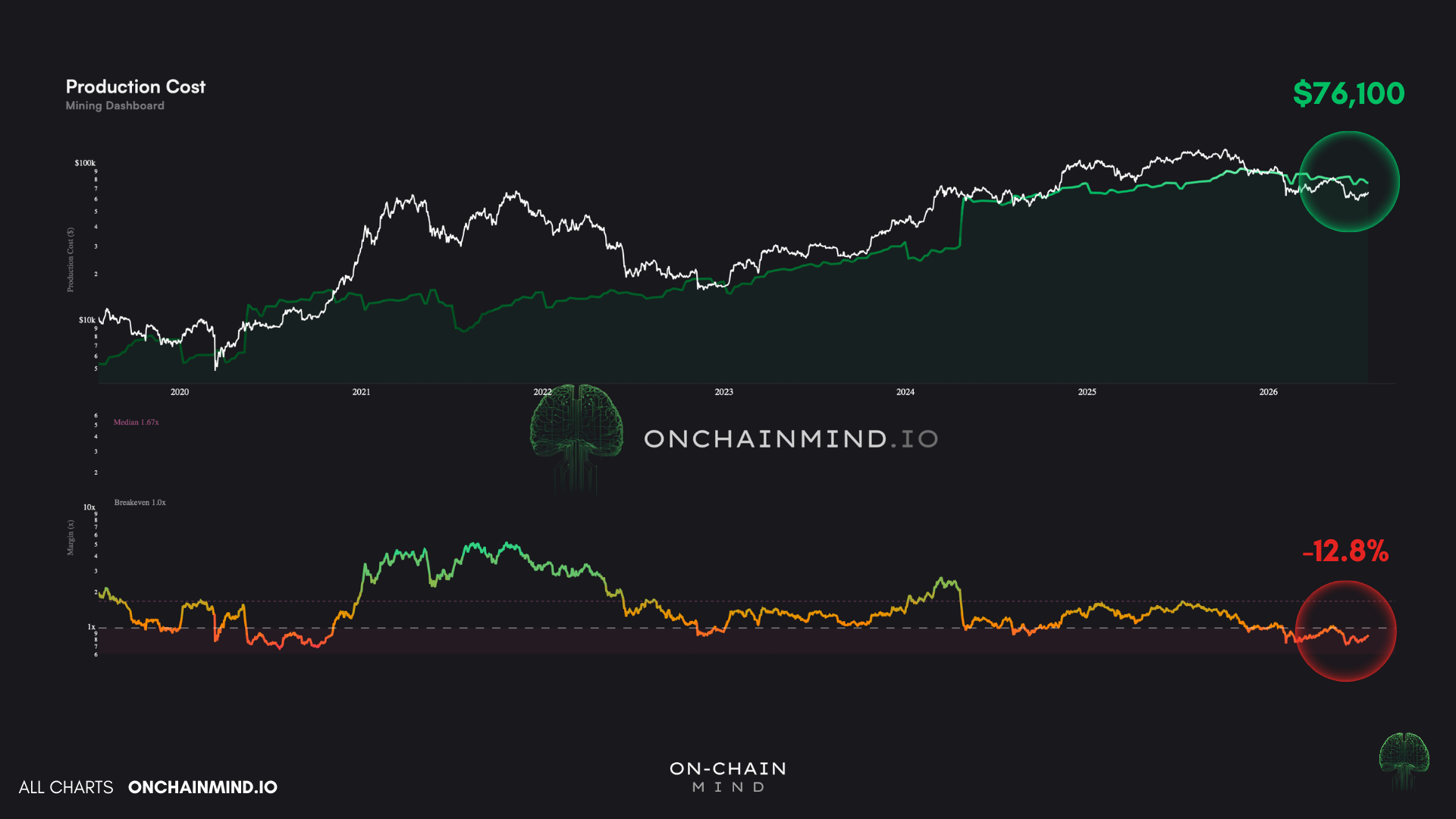
As of July 19, Strategy held 843,775 bitcoins, with a total purchase cost of approximately $63.69 billion and an average purchase price of $75,476. The company also disclosed that after completing a $263.5 million common stock financing round, its dollar cash reserves stood at $3.225 billion.
This cash will primarily be used to pay preferred stock dividends and interest on existing debt. Based on the company's current data, annual interest and dividend payments are close to $1.7 billion. This means that without new financing, the sale of Bitcoin, or other capital actions, the existing cash reserves will not be able to directly cover these expenses for more than two years.
Authorized sale of Bitcoin to replenish cash
In June, Strategy launched a broader digital credit capital framework. Under this arrangement, the company can sell up to $1.25 billion worth of Bitcoin to build or replenish cash reserves, and in certain circumstances, to pay dividends, interest, and repurchase approved securities.
The company had previously increased the STRC preferred stock dividend rate to 12% and approved a $1 billion share buyback program for both common and preferred stock. Between June 29 and July 5, Strategy sold 3,588 bitcoins, raising approximately $216 million, which was used for preferred stock allocations and reserve replenishment. Following the sale, its bitcoin holdings decreased from 847,363 to 843,775.
The company notes that this indicator is not equivalent to a credit rating.
Strategy states that the BTC Rating does not measure liquidity, solvency, or disclosed financial performance, nor does it account for potential cross-default scenarios under debt agreements. The company also notes that the model is based on the notional value of preferred stock, but some securities may be worth more at liquidation.
Furthermore, the dividend coverage calculation assumes that the company can complete refinancing under roughly similar conditions in the future without repaying the principal. These assumptions may not hold true in the event of a severe contraction in financing or a market shock. The company's board of directors still needs to approve preferred stock dividends, the floating interest rate of the STRC can be adjusted monthly, and cash payments are not guaranteed.
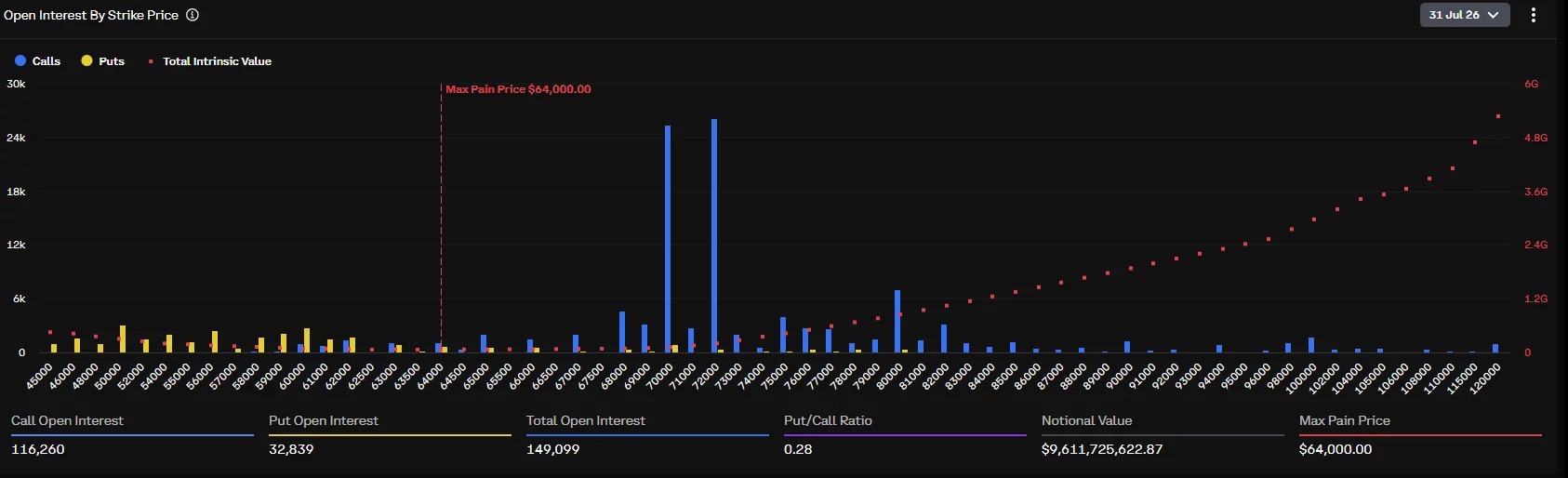
Additional information:As of July 26, Bitcoin was trading at approximately $64,463, down about 49% from its high of approximately $126,000 in October 2025; MSTR closed at $91.67 on July 24.