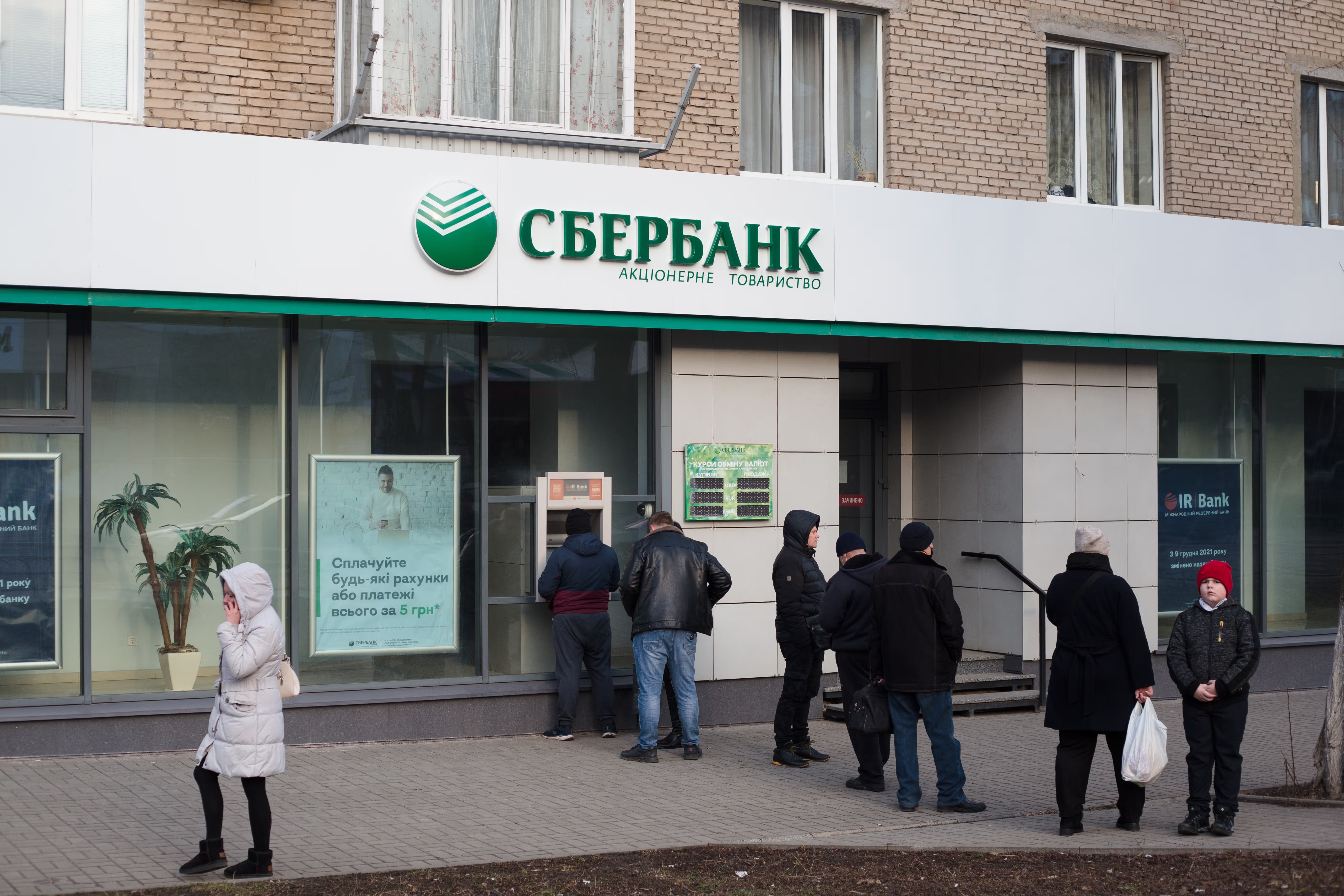


Sberbank, Russia's largest cryptocurrency bank, is pushing forward with the rollout of its crypto business. The company disclosed plans to complete the construction of its crypto trading infrastructure and digital custody system by December 1, 2026, and launch regulated trading, custody, and settlement services. This timeline falls within Russia's new round of crypto regulatory transition period.
The system must be launched before December 1st.
According to Interfax, Sberbank's proposed digital custody system will record customers' cryptocurrency holdings, with some transactions being recorded outside of the public blockchain. The bank will also manage active wallets used for deposits, withdrawals, and transfers.
Alexander Vedyakhin, First Deputy Chairman of Sberbank, stated that the bank plans to complete the necessary systems by the December deadline. However, details regarding which crypto assets the platform will support, fee structures, customer eligibility criteria, and withdrawal restrictions have not yet been announced.
Under the proposed structure, customers can hold recorded crypto asset interests within the Sberbank system; when customers transfer, move, or transfer assets to external addresses, the bank will execute the operation through wallets under its control.
Russia launched a new regulatory framework in September.
The Central Bank of Russia stated that the new framework will take effect on September 1, 2026, allowing accredited and non-accredited investors to purchase crypto assets through regulated intermediaries, but with different restrictions applied to the two types of investors.
- Non-qualified investors must first pass a knowledge test.
- A maximum of 300,000 rubles worth of crypto assets can be purchased annually through a single intermediary.
- Assets open to the public must meet liquidity and market capitalization standards.
Qualified investors also need to complete the test, but they have access to a wider range of assets and are not subject to the same annual quota restrictions. Banks, securities firms, and asset management institutions can provide related services by adding encryption business requirements to their existing licenses.
Meanwhile, the establishment of new cryptocurrency exchanges and digital custodians will require separate approval. The Central Bank of Russia will be responsible for market supervision and will set standards for custody, accounting, and customer protection.
The payment ban remains in effect.
Under current arrangements, the use of crypto assets to pay for goods and services remains prohibited in Russia. However, businesses may use crypto assets for cross-border settlements with approval. Residents may also be required to declare certain overseas holdings and transactions of crypto assets to the tax authorities.
The institutions covered by the new regulations must obtain licenses and complete system compliance by July 1, 2027 at the latest. This means that if Sberbank goes live as planned in December, it will first enter a regulatory transition phase of operational preparation.
Multiple Russian financial institutions are simultaneously deploying [their services].
Sberbank entered the regulated digital asset sector in Russia in 2022, issuing digital financial assets and launching structured products linked to Bitcoin, Ethereum, and baskets of crypto assets. The bank has also tested lending services secured by crypto assets.
Besides Sberbank, VTB and T-Bank are also developing digital custody services, while the Moscow Exchange is evaluating regulated crypto businesses. Alfa-Bank has also tested a limited range of crypto services and custody tools, indicating that major Russian financial institutions are building systems in advance in preparation for the new regulations.
Additional information:Sberbank had previously submitted a proposal to the Central Bank of Russia to provide crypto asset storage services to domestic clients through regulated banking infrastructure; Reuters also previously reported that the bank had studied providing loans to corporate clients secured by crypto assets.