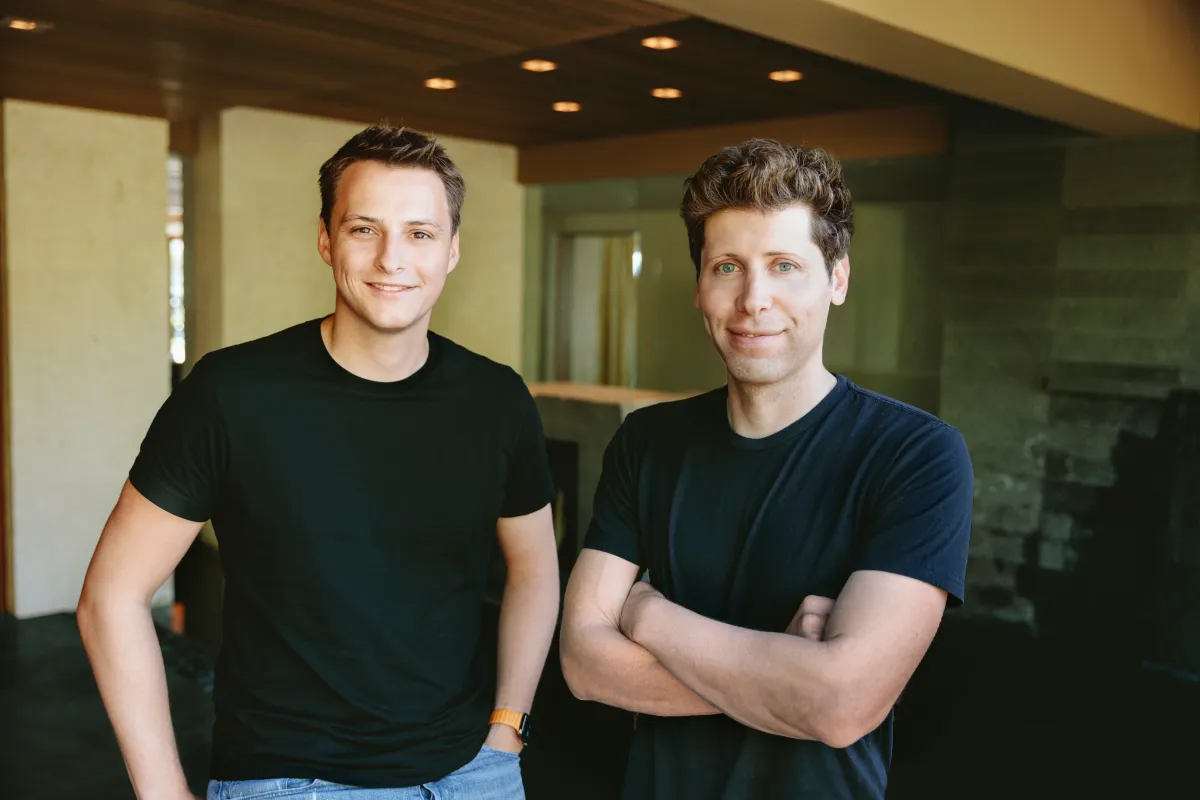















The World Foundation disclosed that it has raised $52.5 million through a token sale to expand the World ID network. Founded by Sam Altman, the project focuses on a verification system that "proves you are a real person without revealing your identity." With the increasing activity of AI agents on the internet, the project is prioritizing human identity verification for its next phase of expansion.
This funding round was led by Pantera.
This funding round was led by Pantera Capital, with participation from Bain Capital Crypto, Nasdaq-listed Eightco Holdings, Selini Capital, and Susquehanna Crypto. The project team stated that the WLD tokens sold will be locked for 12 months.
The World Foundation stated that the funds will be used to expand World ID to more institutional and consumer scenarios, while supporting identity verification needs related to AI agents. Pantera partner Cosmo Jiang said that as AI development accelerates, the need to verify "who is the real person" is becoming more explicit.
World ID relies on iris recognition devices for verification.
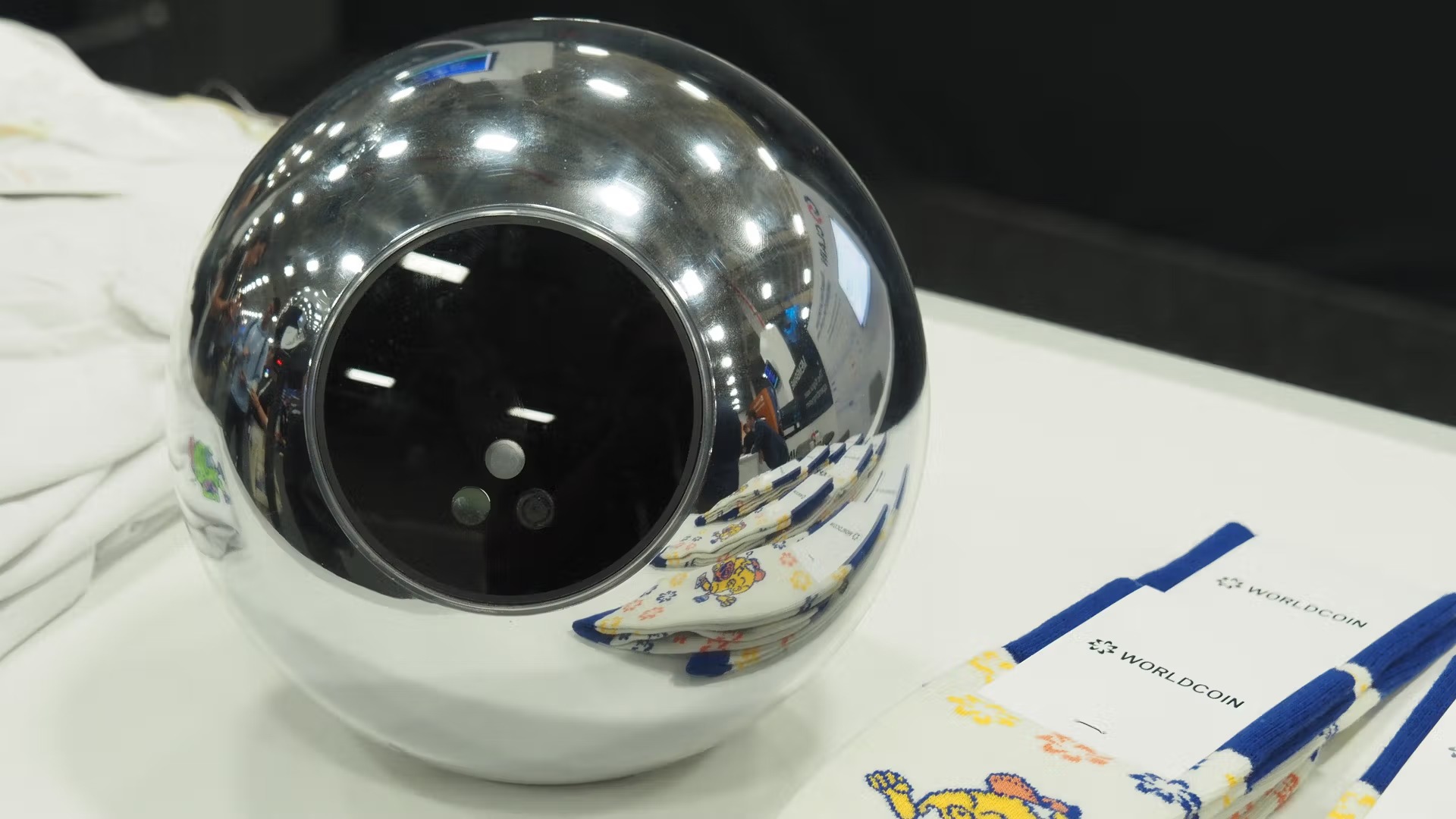
According to the project description, users can complete a one-time iris scan using a spherical device called Orb. The system then generates an identity credential stored on the user's phone to prove that the user is an independent real person, but does not directly disclose the user's real identity.
The World project, formerly known as Worldcoin, was renamed in 2024. The foundation stated that World ID is currently working on integrations with platforms such as Zoom, Docusign, Okta, Vercel, and Tinder, while also launching World ID 4.0 for enterprises, allowing external developers to integrate their own credentials into the system.
- The project claims that the network has accumulated over 39 million users.
- Of these, 18 million have completed offline verification through Orb.
- The system has processed a total of 475 million authentication requests.
Regulatory controversies continue
Despite the project's continued expansion, its iris scanning model still faces regulatory pressure in many places, with the controversy mainly focusing on the collection and use of biometric data.
According to the information in the article, Hong Kong had requested the project to cease operations by 2024; a Kenyan court ordered the deletion of users' biometric data; Brazil banned the project from charging fees for iris scans. Spain had pushed for a halt to its data collection, and South Korea fined the project $830,000 for privacy issues.
Institutional interest has not diminished.
Despite the regulatory controversies, institutional interest in WLD continues. Eightco, which participated in this funding round, established a corporate WLD reserve last year. The article also mentions that Grayscale submitted an application this week for the first US ETF linked to WLD.
Additional information:The funding and network data in this article are all disclosed unilaterally by the World Foundation. The relevant user scale, number of verifications and progress of cooperation are not presented in the article with independent audit results.