

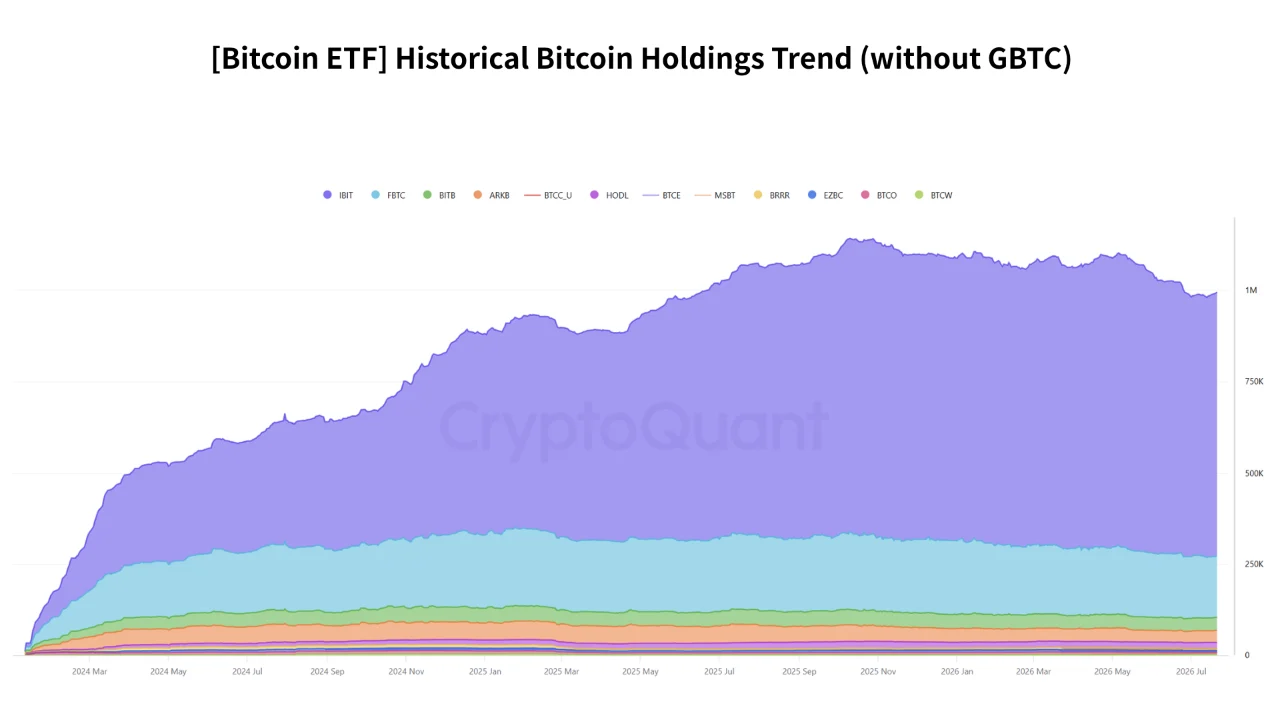
Foreign media, citing XWIN's analysis, reported that Japan's spot Bitcoin ETF market is expected to attract approximately $18.4 billion, or about 3 trillion yen, by fiscal year 2028. The article argues that this figure is not considered aggressive within the context of Japanese household savings and the domestic fund market.
The proportion of funds is not high.
According to the article's calculations, $18.4 billion is equivalent to only about 0.13% of total Japanese household savings. Compared to the Japanese stock investment fund market, the potential inflow is only about 1%. Based on this, the article argues that the Japanese market does not need a large-scale capital migration to support a number of spot Bitcoin ETF products.
Three types of funds were specifically named.
The article argues that the first type of funds comes from ordinary investors. If a spot Bitcoin ETF is approved, investors can purchase related products through more familiar investment applications, rather than directly using cryptocurrency trading platforms. The article also mentions that if Japan were to implement tax reforms, lowering the tax rate on cryptocurrency gains from a maximum of 55% to 20%, it could also increase individual willingness to allocate to crypto assets.
The second type of funding comes from institutional investors. The article states that because Bitcoin has a low correlation with US dollar assets, some Japanese pension funds have begun to use it as a hedge against inflation. The article cites as an example a corporate pension fund in Okayama that has allocated 1% of its assets to the crypto space.
SBI and other organizations are advancing products.
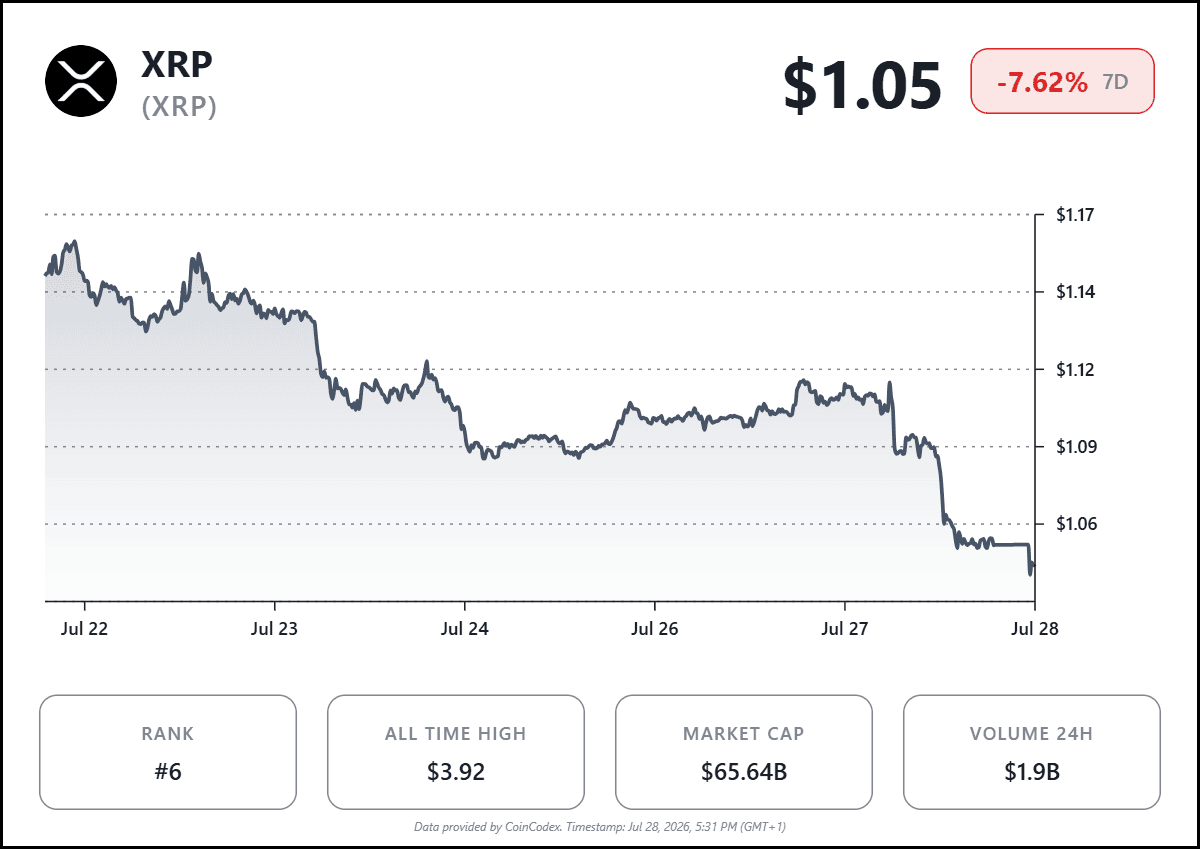
The third source is Japanese domestic financial institutions. The article mentions that SBI Holdings has proposed launching several ETF products, including a dual-asset fund related to Bitcoin and XRP. If large domestic financial groups continue to promote related products, the market expansion rate may be faster than currently predicted.
The article argues that two developments are most noteworthy in the coming months: whether the amendment to Japan's Financial Instruments and Exchange Act will be formally implemented, and when issuers will submit their first batch of applications to the Japanese Financial Services Agency. The speed of market launch also depends on the efficiency of brokerage firm access and whether the proposed reduction in the tax rate for crypto assets will ultimately be approved.