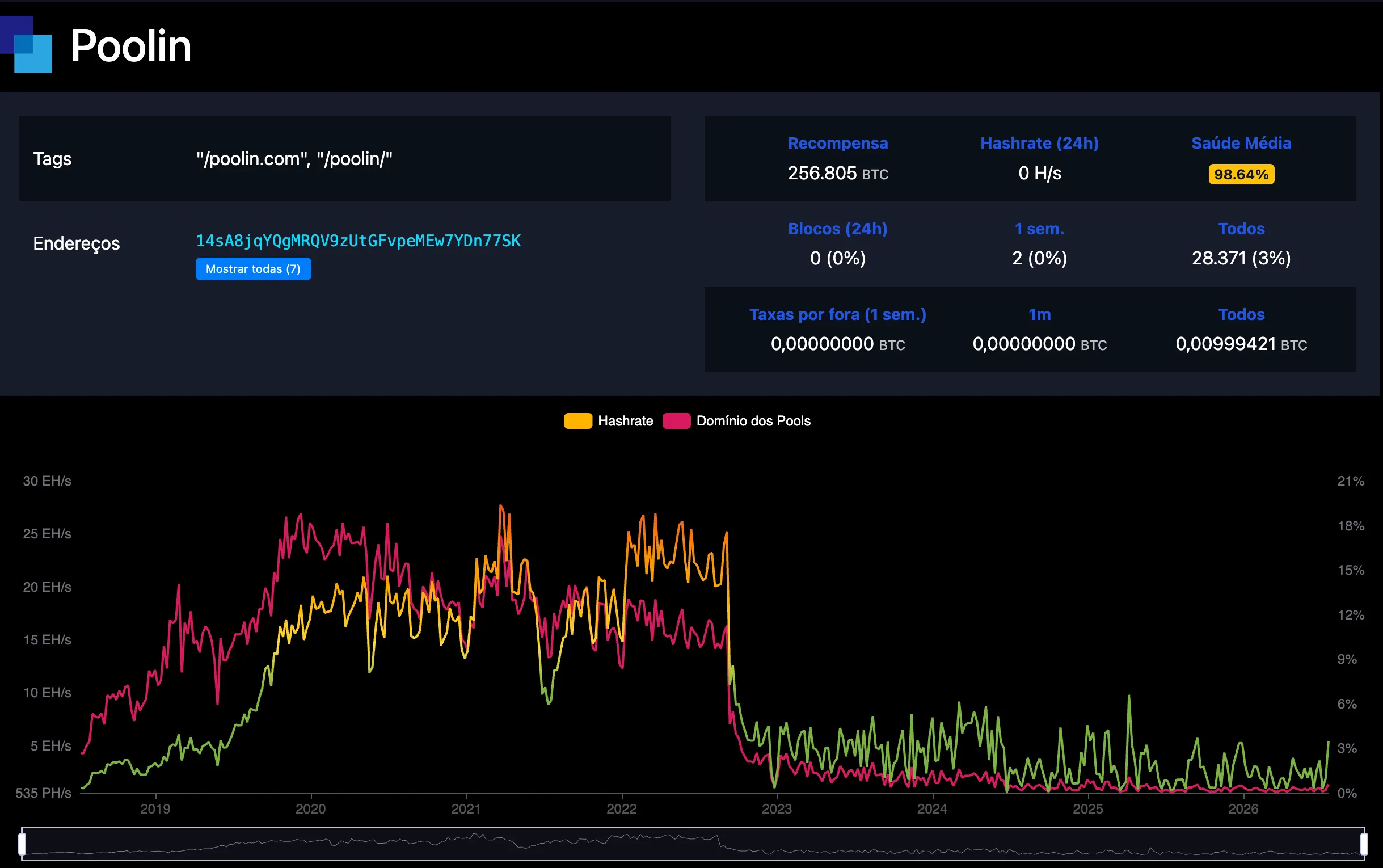


Poolin, which once controlled nearly 20% of the Bitcoin network's hashrate, has now entered bankruptcy proceedings. Company disclosures show that the Singapore-based Bitcoin mining company, along with two US affiliates, Lonestar Dream and Lonestar Taproot, has filed for Chapter 11 bankruptcy protection in New Jersey, with current liabilities of approximately $173 million.
The debt level is between $100 million and $500 million.
Poolin and two U.S. affiliates reportedly filed for bankruptcy on July 22, with estimated liabilities ranging from $100 million to $500 million. Chapter 11 allows companies to proceed with restructuring, asset disposal, and negotiations with creditors under court supervision.
At present, the core of Poolin's remaining assets consists of two mines located in western Texas. Documents show that Thor CALAP LLC has made a $52 million offer to acquire these assets, which constitute the majority of the company's saleable assets.
Texas expansion plans failed to turn the tide.
Poolin was once one of the world's largest Bitcoin mining pools. According to Glassnode data, in 2019, it accounted for approximately 18% to 20% of the global Bitcoin hashrate. This means that the amount of Bitcoin mined through Poolin was among the highest in the industry for a long period.
However, the company's subsequent expansion did not proceed smoothly. Co-founder Kevin Pan had previously bet on expanding his Texas mining business, hoping to rebuild it through this investment, but the relevant grid connection approvals were delayed, thus hindering the project's progress.
Liquidity problems have already emerged in 2022.
Poolin's financial difficulties were already public knowledge in 2022. At that time, the crypto market experienced a sharp downturn, and many companies faced liquidity shortages. By the end of 2022, users were already reporting withdrawal delays in Poolin's Telegram community.
Subsequently, Kevin Pan acknowledged in a WeChat post that the company was "facing liquidity issues," but claimed at the time that user assets were safe. A few weeks later, in September 2022, Poolin Wallet completely suspended withdrawals and issued approximately $163.7 million in IOU tokens to about 11,700 customers to buy more time.

This bankruptcy filing signifies that this once-leading mining pool has officially moved from a liquidity crisis to a phase of judicial restructuring and asset sale.