

AMD is pushing the competition from single chips to complete data center systems. The newly released Helios is designed for AI training and inference scenarios, targeting cloud vendors and model companies building large-scale computing clusters.
Targeting the rack-mount AI systems market
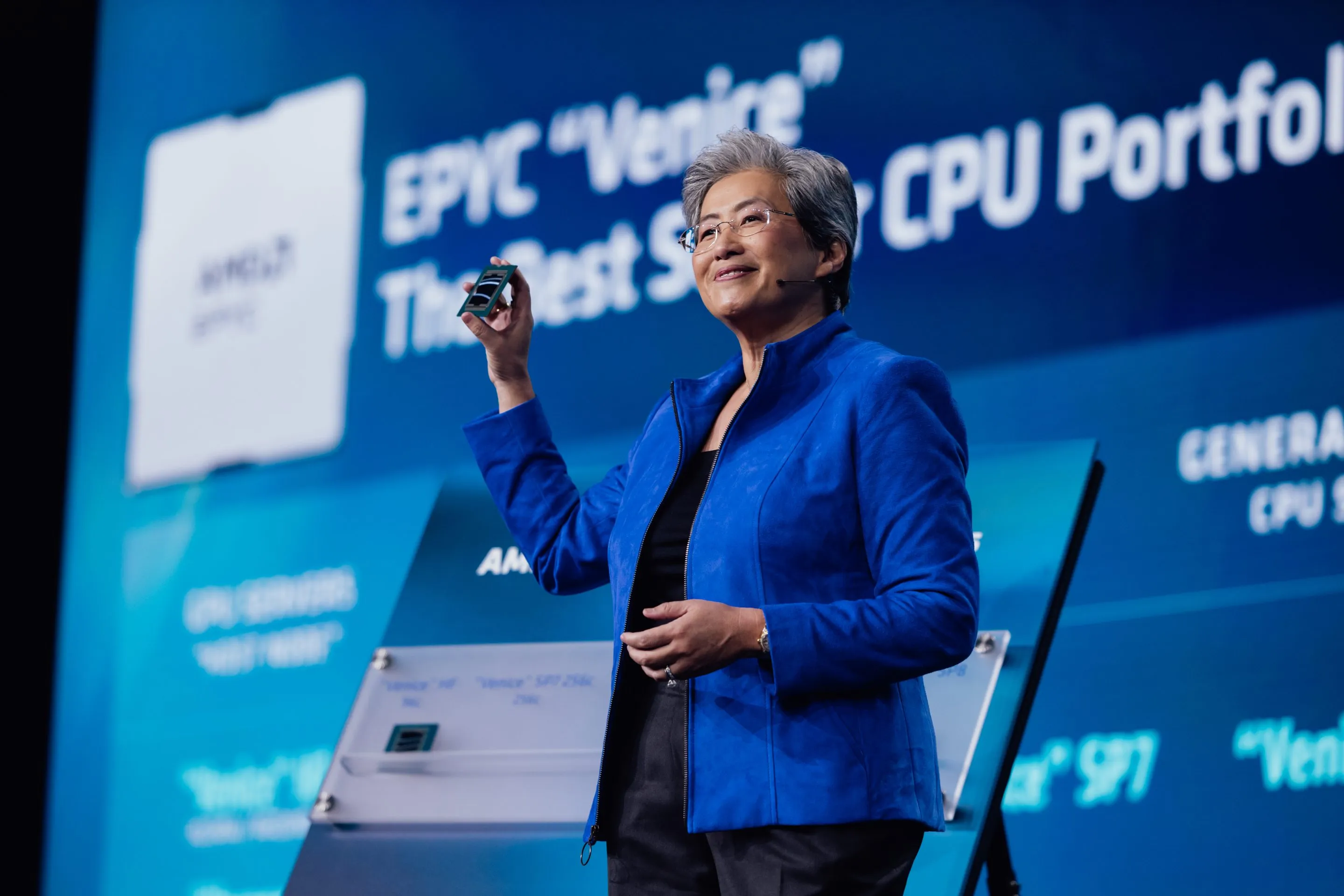
Rack systems typically integrate multiple processors into a single high-performance unit, primarily used in data centers to handle large model training and other high-computing tasks. AMD CEO Lisa Su stated that Helios is designed for the most complex cutting-edge model training and runtime scenarios globally and is planned for deployment in gigawatt-scale data centers.
This market has long been dominated by Nvidia, whose flagship products include rack-mount systems such as Vera Rubin and Grace Blackwell. TechCrunch, citing The Register, reports that Helios has surpassed Vera Rubin in some performance metrics, indicating that AMD is attempting to gain market share at the system-wide level.
OpenAI, Microsoft, and Anthropic are among the companies listed.
Helios is slated to debut as early as 2025 and will be showcased again at CES in January 2026. AMD's currently disclosed customer list includes OpenAI, Meta, Oracle, Anthropic, and Microsoft, all of which plan to deploy the system.
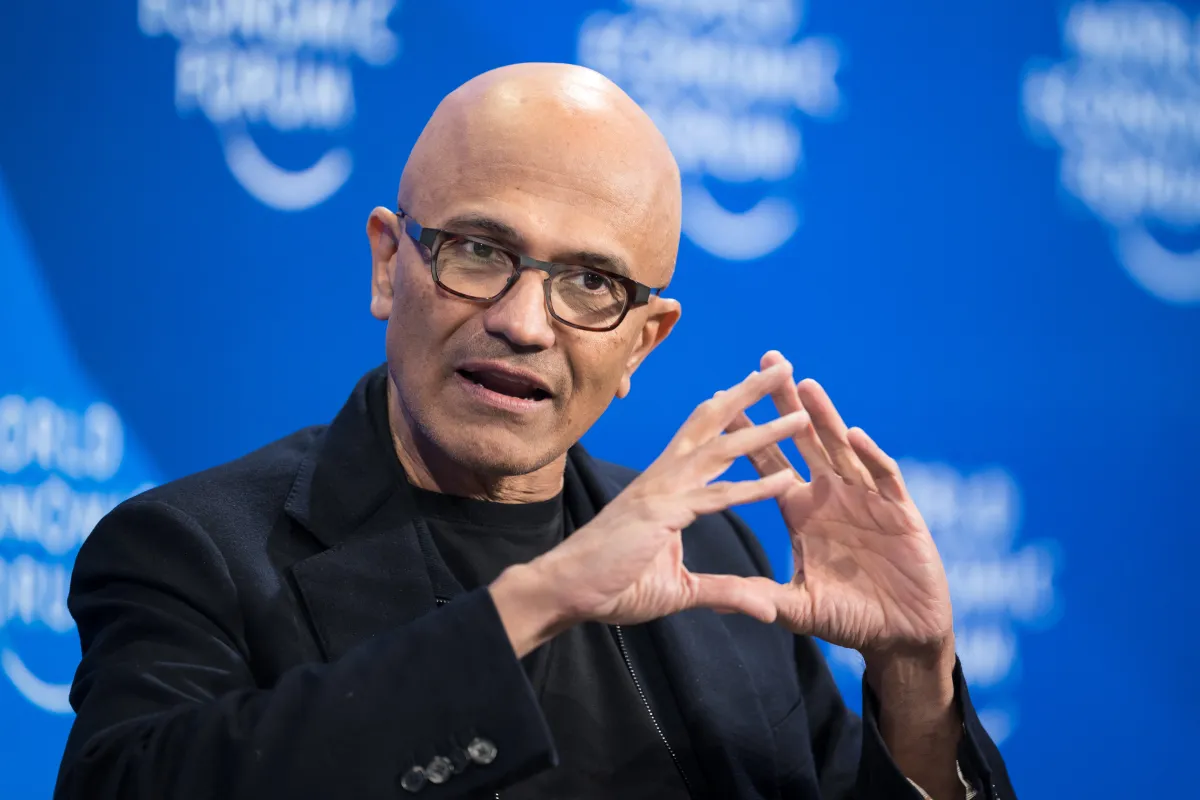
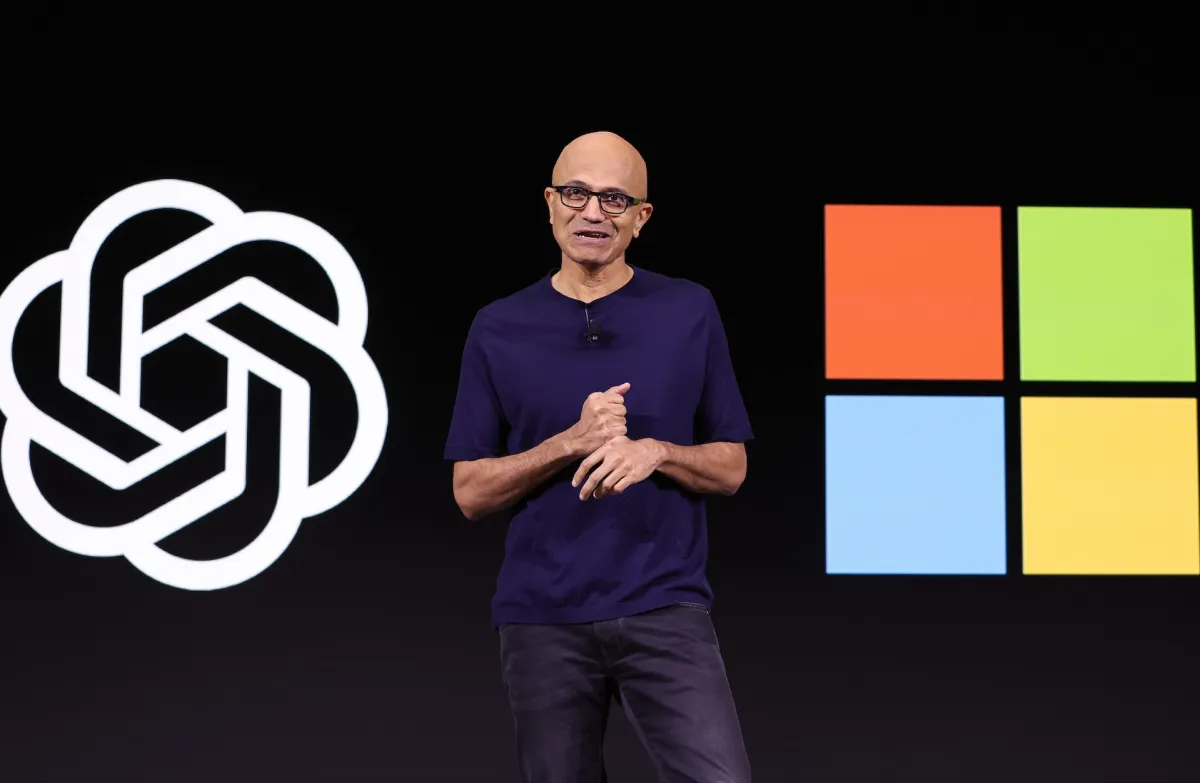
Microsoft CEO Satya Nadella stated that Azure will expand its infrastructure deployment for Helios. Anthropic, on the other hand, announced a strategic partnership with AMD on Wednesday, planning to deploy up to 2 gigawatts of GPUs through this new system.
- Disclosed clients include OpenAI, Meta, and Microsoft.
- Microsoft says Azure will expand its related infrastructure.
- Anthropic collaborations can reach up to 2 gigawatts of GPUs.
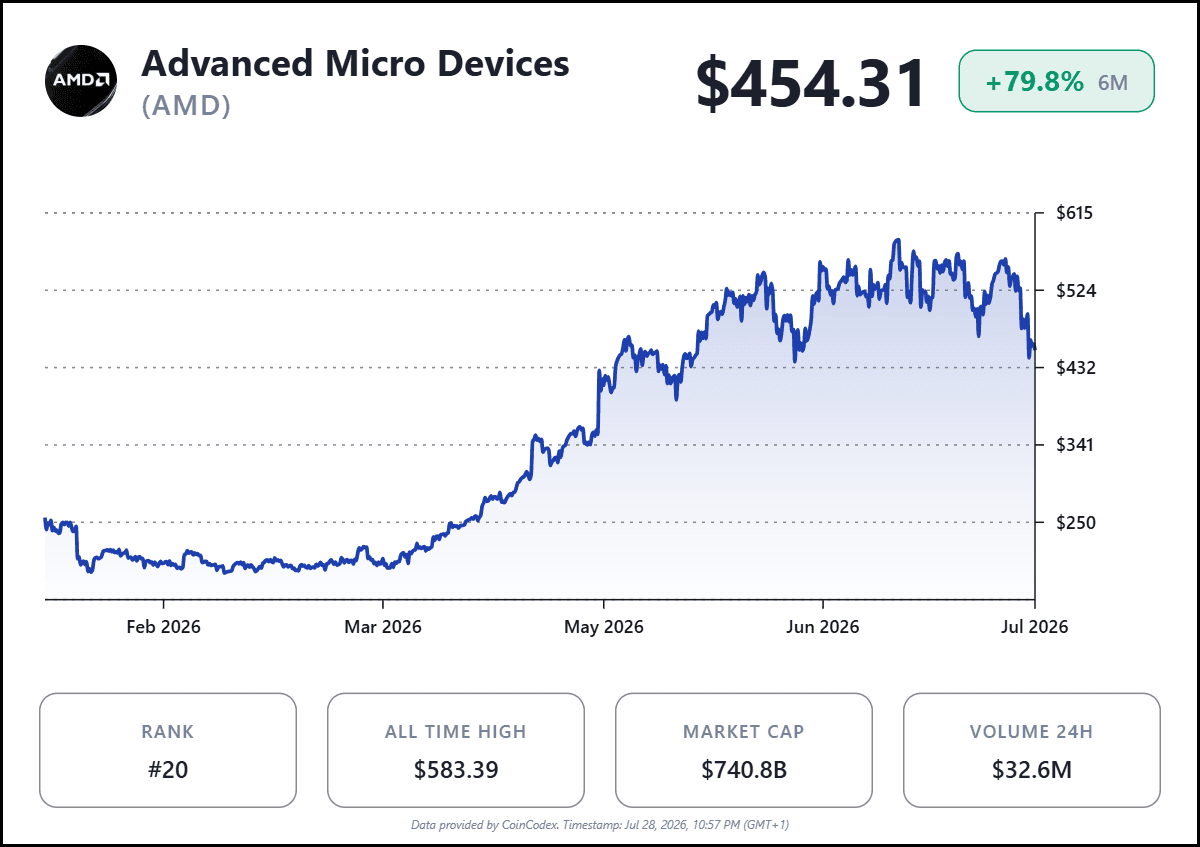
AMD bets on continued rise in computing power demand.
In her speech, Lisa Su stated that AI is driving a significant increase in computing demand, especially with the rise of agent-based AI, which breaks down a single task into more steps, including inference, calling tools, accessing data, and repetitive execution, thus requiring more GPU support.
She predicts that the AI accelerator market will reach approximately $1.4 trillion by 2030. According to her, this size will approach the current size of the entire semiconductor market by the end of this century, with GPUs still accounting for the majority of it.