

Foreign media reports that former Trump Commerce Secretary Wilbur Ross believes the White House's room for maneuver on the Iran issue is narrowing as the US midterm elections approach. If the Middle East situation continues to drive up oil prices, voters' dissatisfaction with the cost of living may intensify; if the US withdraws while the situation remains unclear, it may be accused of weakness by its adversaries.
Midterm elections reduce decision-making space
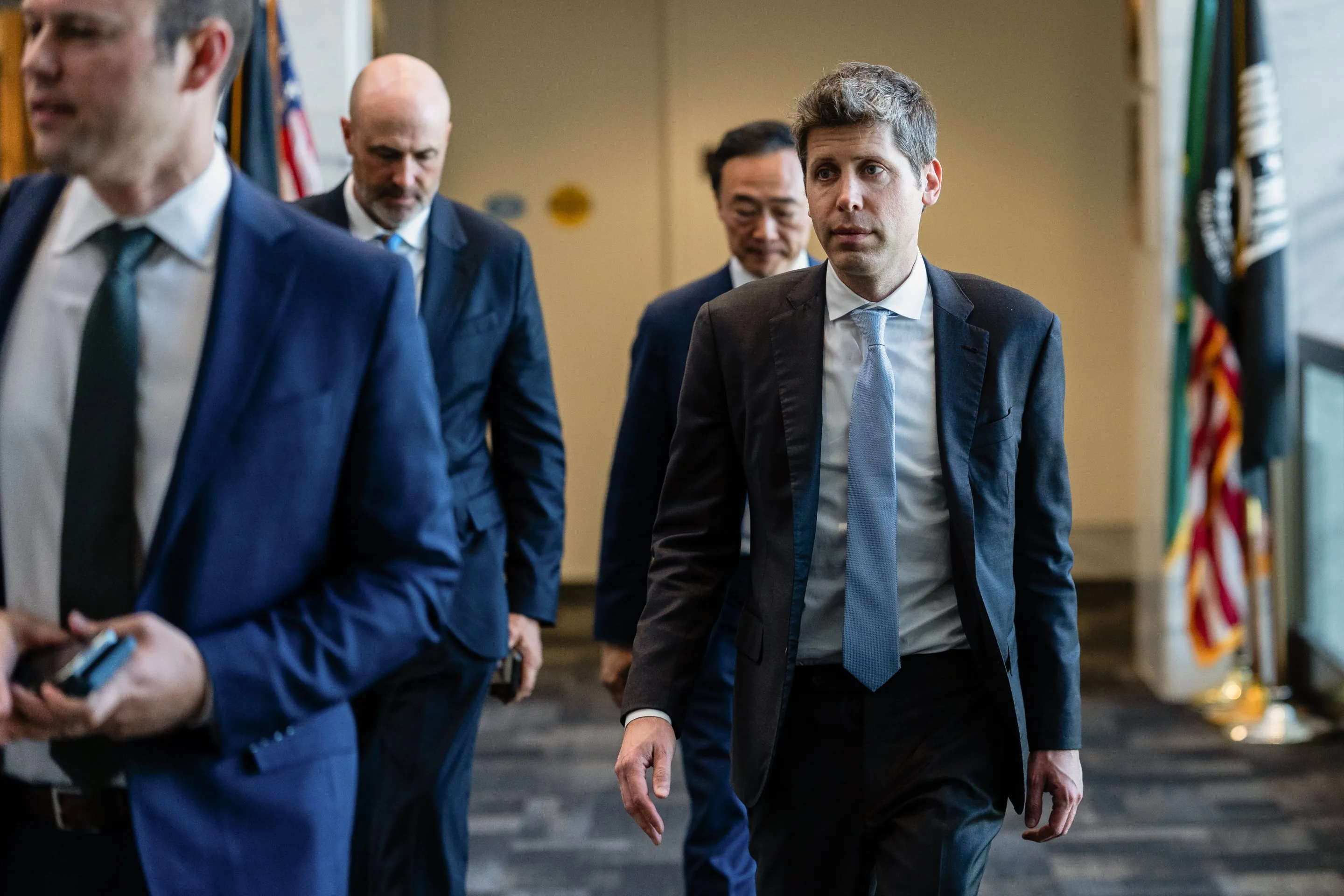
Ross told Fortune that Iran is clearly also watching the US election timeline and trying to drag the pressure out until around November. He believes that although Trump had previously signaled that the conflict might end soon, judging from the perceptions of Wall Street and voters, the crisis has dragged on longer than expected.
The article argues that the White House is currently facing not just a single military issue, but a combination of political and economic problems. Trump campaigned on affordability, so continued increases in gasoline prices could directly impact his evaluation of his administration.
The Strait of Hormuz affects oil prices
Iran is located near the Strait of Hormuz, a waterway that carries a significant portion of the Gulf region's crude oil exports. The article points out that although Trump claims the US controls the waterway, shipping concerns persist, leading to a slowdown in supply and transportation, while demand has not decreased accordingly, thus putting upward pressure on oil prices.
Meanwhile, Houthi rebels in Yemen have begun attacking ships in the Bab el-Mandeb Strait for nearly 24 hours, further escalating shipping risks in the Red Sea and the Arabian Peninsula. The simultaneous pressure on two key waterways means that the energy market will find it difficult to completely escape the geopolitical risk premium in the short term.
- The Strait of Hormuz is a vital waterway for transporting crude oil from the Gulf.
- Attack on the Bab el-Mandeb Strait exacerbates regional shipping tensions
- Rising oil prices are being passed on to US gasoline retail prices.
High oil prices and troop withdrawals could both backfire on the White House.
Ross stated that Trump faces a classic dilemma. If U.S. gasoline prices rise back to around $5 per gallon, the midterm elections will become extremely difficult. If the Republicans lose both the House and Senate, the White House's policy options will also shrink significantly.
However, he also believes that if Trump withdraws before the issue is resolved, the Democrats can use this as a basis for attack: the war has not brought peace, yet oil prices remain high. In this situation, withdrawal may not necessarily lead to lower energy prices.
Ross also noted that even if the US reduces its involvement, it doesn't mean Iran will immediately ease pressure on the Strait of Hormuz. Therefore, while the midterm elections are an important factor, they may not only be influencing Washington, but could also be affecting Tehran's strategic judgments.
The White House may continue to put pressure on oil companies.
The article states that Trump has asked the U.S. Department of Justice to investigate gasoline prices and has publicly criticized consumers for being "ripped off." Ross predicts that the White House will continue to pressure major oil companies, focusing on limiting gas station profit expansion and pushing more crude oil production into the market.
Data released this month by the U.S. Energy Information Administration shows that U.S. crude oil production will average approximately 13.8 million barrels per day in 2026, up from 13.6 million barrels per day last year, but the increase is not significant. According to Ross, given the unstable situation in the Middle East, such an increase in production may not be enough to quickly lower end-user oil prices.